

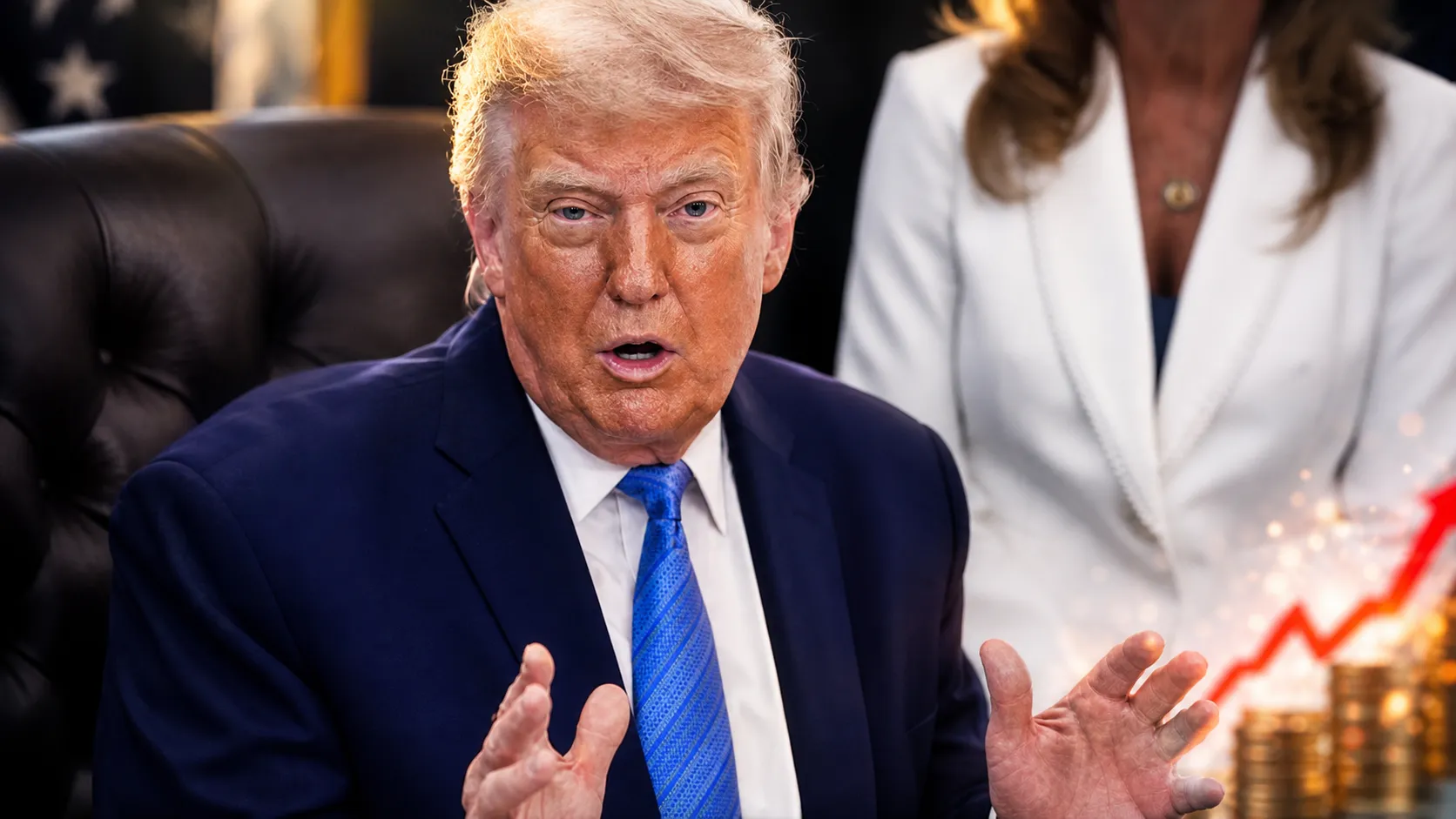
Donald Trump has reacted in unusual fashion after fresh figures showed US inflation has climbed to its highest point in three years.
The latest Consumer Price Index reading showed prices were up 4.2 percent from a year earlier in May, the highest annual rate since April 2023, while prices also rose 0.5 percent on the month, according to the Bureau of Labor Statistics.
That means Americans are continuing to face higher costs on essentials including groceries, housing and energy, with rising fuel prices playing a major role in the latest jump. Economists have pointed in particular to the impact of the conflict involving Iran, which has pushed up oil prices and fed through into wider inflation pressures.
Observers were taken aback when the 79-year-old president responded to the newest Consumer Price Index report by saying he was a fan of inflation.
“You know what I really love? I love the inflation.”
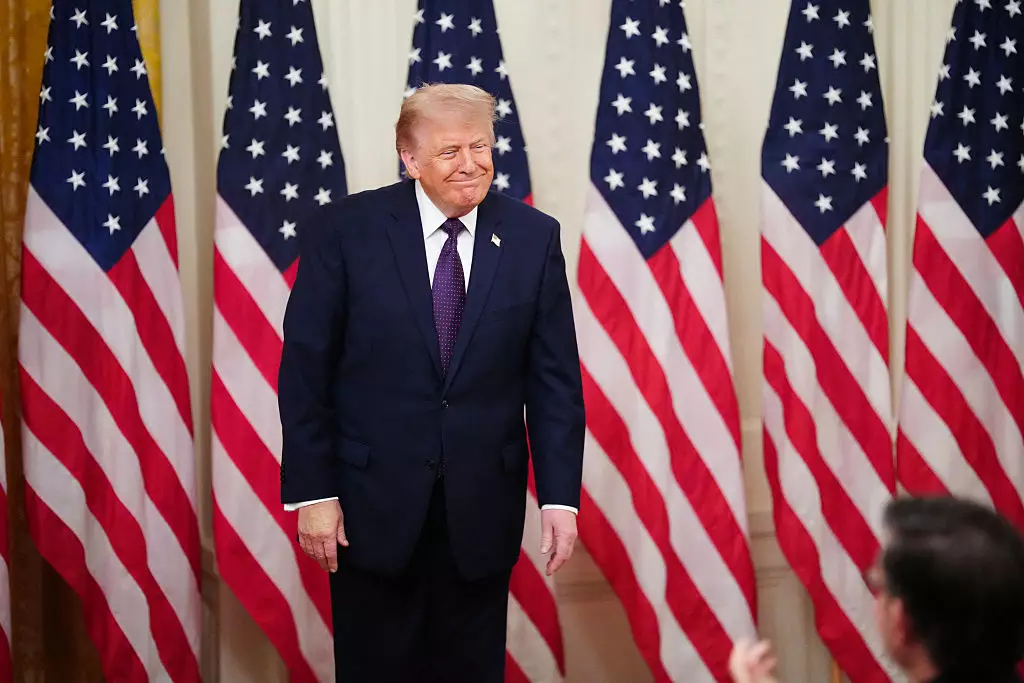
Trump made the remark on Wednesday, June 10, after the inflation report was released. During the same exchange with reporters, he described the numbers as “great” and argued that the recent rise in prices underscored how heavily energy costs tied to the Iran conflict were affecting the economy.
Figures released by the Bureau of Labor Statistics indicate inflation rose 4.2 percent over the previous 12 months, with energy accounting for a large share of the monthly increase.
During the same appearance, Trump linked the issue to the war in Iran, which he said had helped drive up the cost of fuel, energy and food.
“As soon as this war is over, you know, I can say it now. Something you didn’t know. Do you know we’ve been taking out millions of barrels of oil? Nobody knows it. You know who doesn’t know about it? Iran until right now.”
He also claimed that, earlier last week, US military forces had targeted dozens of vessels overnight.
“took out … 22 ships late at night with no lights because they don’t have any radar because we blasted the crap out of it.”
Trump argued that action had helped stop oil prices from climbing much further, suggesting that was why a barrel was sitting at $85 rather than $250.
He then reflected on what he described as the strength of the economy before the conflict escalated.
“Remember when I did this, I said, ‘Look, the one bad thing will be we hit the best economy we’ve ever hit,’” he said, recalling a conversation with his advisors.
“‘The one thing we have to do now, we have just hit the highest stock market in history, the highest 401ks in history. Everything was going well.'”
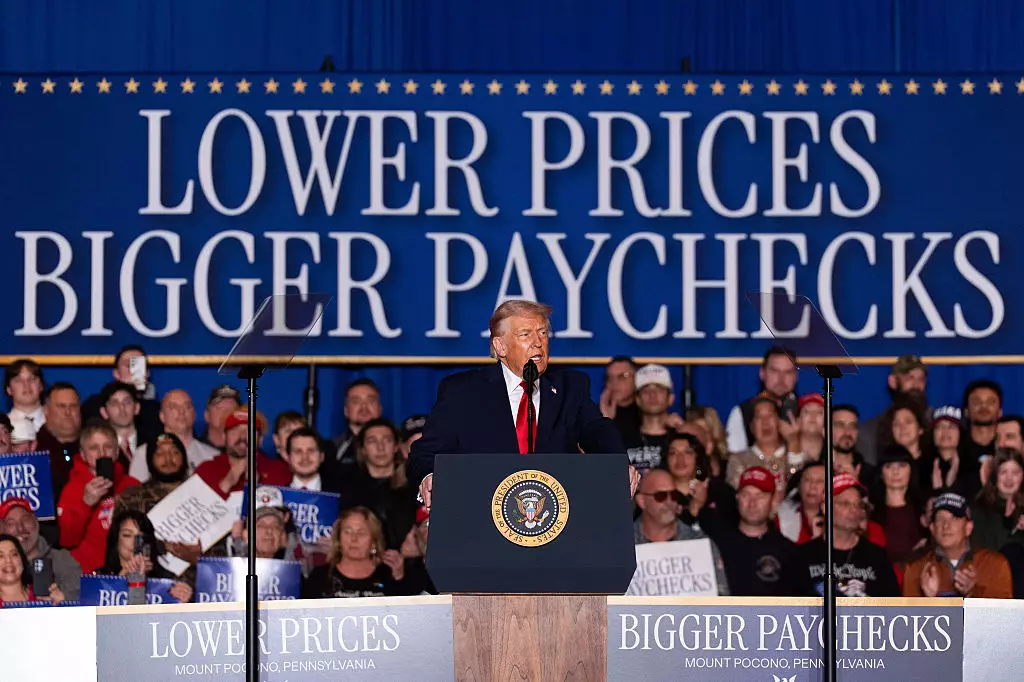
The war with Iran is continuing to affect prices around the world, disrupting energy markets and adding to costs across supply chains. Higher oil prices can raise transport and manufacturing expenses, which in turn puts pressure on the cost of goods ranging from food to household items.
The inflation data is politically significant because Trump has repeatedly made the cost of living a central issue, while promising that prices would ease. Instead, the latest figures suggest inflation has moved further away from the Federal Reserve’s long-run 2 percent target.
Earlier in May, after Labor Department data showed the conflict had already pushed inflation to its highest point since 2023, Trump was asked whether Americans’ personal finances influence his decision-making.
“Not even a little bit,” he told a reporter on May 12, adding that “the only thing that matters” to him regarding Iran was preventing the country from possessing a nuclear weapon.
“I don’t think about Americans’ financial situation,” he said. “I don’t think about anybody.”
“We have to do something with Iran. We cannot let them have a nuclear weapon,” the president said, speaking in front of a construction site for his White House ballroom project. “You want to see the world exploded? You want to see a problem? This is peanuts.”
“I appreciate everybody putting up with it for a little while,” he added. “It won’t be much longer.”
After Wednesday’s remarks, the White House defended the president’s position, saying he believes oil and gas prices, and therefore inflation, will fall once the Iran situation is resolved and that the administration remains focused on what it described as an affordability agenda.
The White House has been approached for comment.