

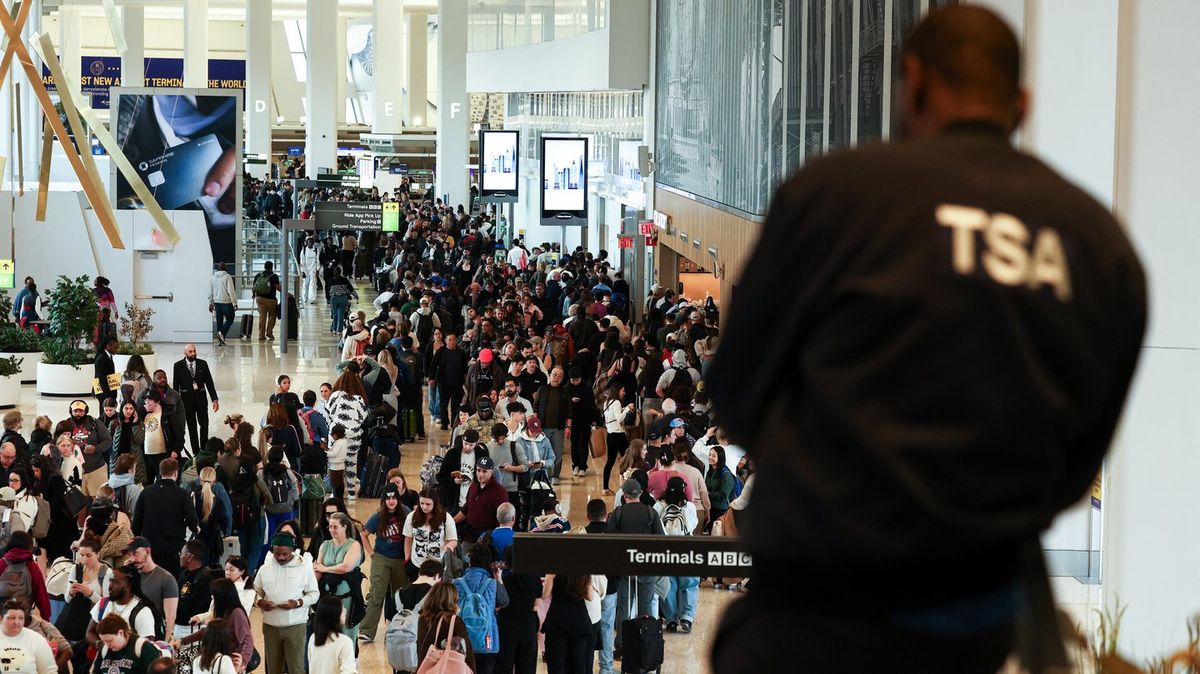
There was a time not so long ago when turning up at a US airport with even a small amount of weed could quickly end with you in handcuffs.
These days, TSA screeners are increasingly likely to let you carry on without incident, following updated guidance tied to cannabis being reclassified as a Schedule III substance.
Even so, plenty of people will still feel that familiar paranoia when they step into a terminal with anything weed-related in their bag — though since April 27 this year, that nervousness may be more habit than an accurate read of what will happen at security.
With recreational or medical marijuana now legal in 40 states, flying has become one of the most confusing grey areas for cannabis users, especially when state laws and federal rules collide. The TSA’s revised approach is intended to draw a clearer line around what agents are screening for, and what they do when they happen to find contraband.
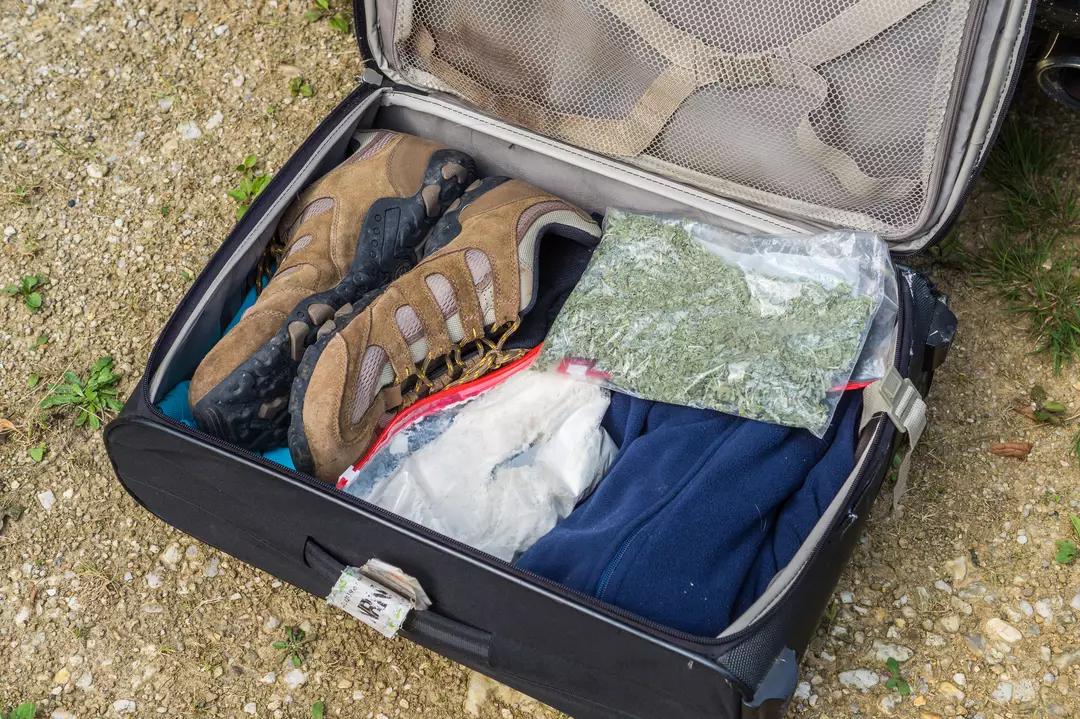
Under the newer guidelines, TSA emphasizes that the priority is safety, not drug enforcement. The policy update states: “TSA’s screening procedures are focused on security and are designed to detect potential threats to aviation and passengers.
“Accordingly, TSA security officers do not search for illegal drugs, but if any illegal substance or evidence of criminal activity is discovered during security screening, TSA will refer the matter to a law enforcement officer.”
Because cannabis is now categorized as Schedule III, travelers who have medical marijuana along with a valid prescription should generally be able to fly without major issues — even if it’s obvious what they’ve packed.
The shift matters because airports fall under federal jurisdiction. Reclassification signals federal recognition that marijuana may have legitimate therapeutic uses and should be studied further, changing how “medical” cannabis is viewed at the national level.
In practice, that means passengers with prescribed cannabis can bring it on domestic flights, whether in checked baggage or carry-on, as long as they can show documentation if questioned.
That looser reality won’t apply to everyone, though. Anyone hoping to rely on the updated stance will still need their doctor’s prescription available, since TSA agents may ask for proof before deciding how to proceed.
If someone is traveling without a medical prescription, TSA may still involve local law enforcement — particularly depending on the destination state’s cannabis rules and how the situation is handled on-site.
And even if a traveler points to the revised guidance, an agent can still decide not to allow cannabis through screening. The policy makes clear that discretion remains with the officer on duty.
Attorneys told SFGate that people who do choose to travel with cannabis should avoid carrying more than an ounce, since larger amounts can increase the chance of consequences depending on the state and the agent involved.
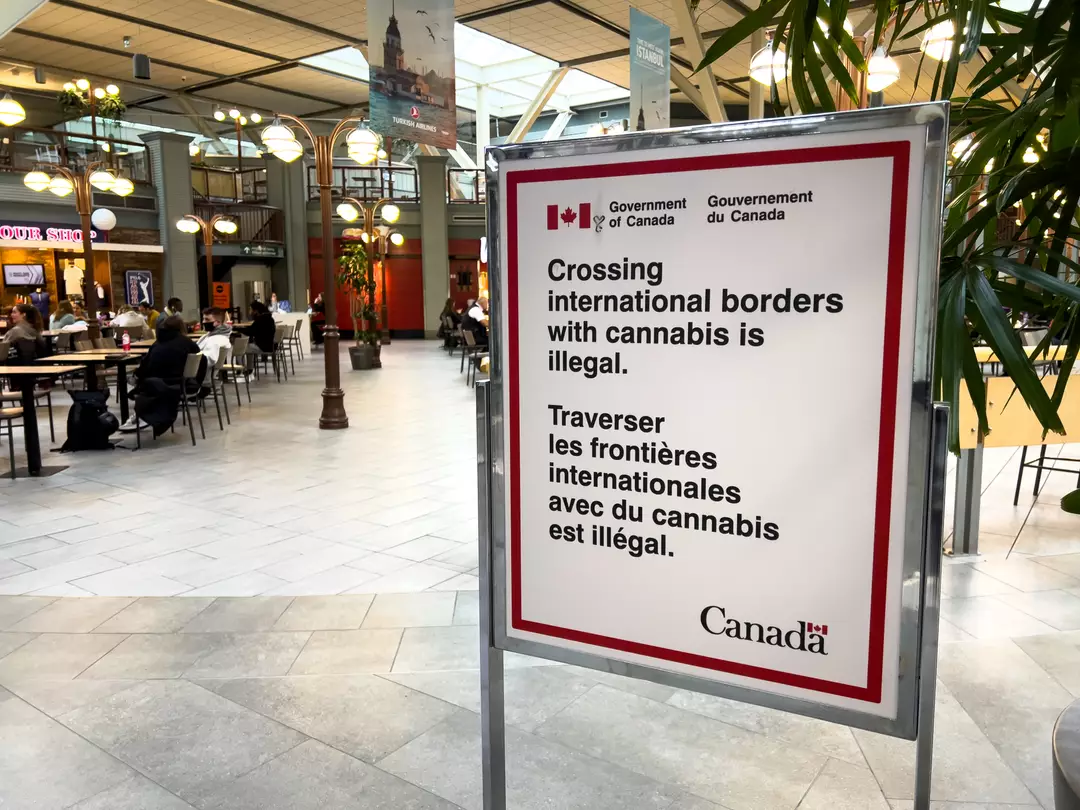
Finally, the guidance only affects travel within the United States. Attempting the same thing on an international flight is still a fast route to serious legal trouble abroad.