

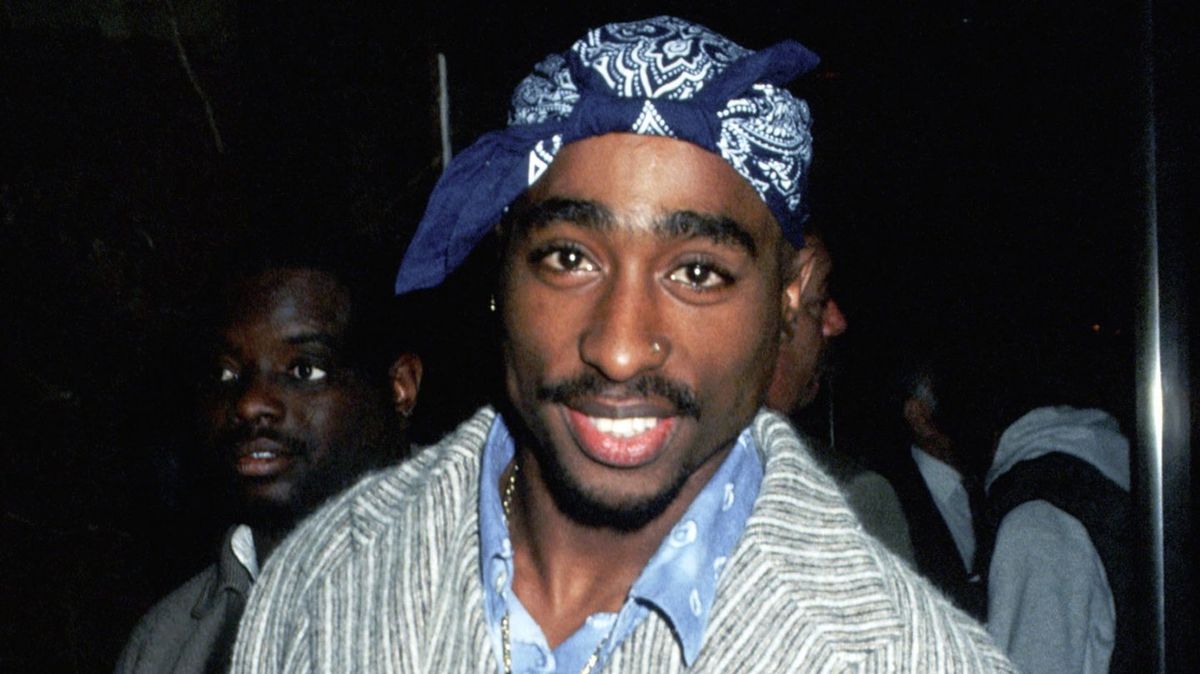
Members of Tupac Shakur’s family walked out of a Las Vegas courtroom Tuesday when prosecutors displayed graphic autopsy photographs during the murder trial of Duane “Keffe D” Davis.
The emotional exits came on the second day of testimony at Clark County District Court, where Davis, 63, faces charges of orchestrating the September 7, 1996 drive-by shooting that killed the 25-year-old hip-hop legend. Prosecutors called Dr. Lisa Gavin, a forensic pathologist and medical examiner for Clark County, to detail Shakur’s cause of death for the jury.
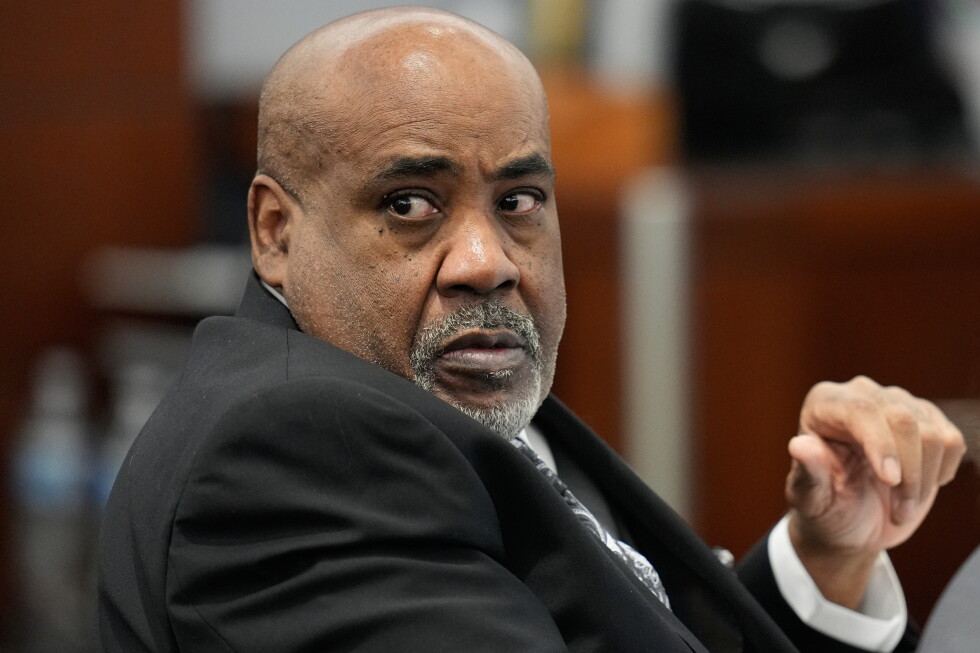
As the prosecution displayed an initial image of a body bag followed by close-up photographs showing Shakur’s fatal injuries, several family members seated in the front rows turned their heads away. Others stood up and exited the courtroom entirely. The images showed chest tubes and surgical interventions that remained on Shakur’s body during his six-day hospital stay before his death on September 13, 1996.
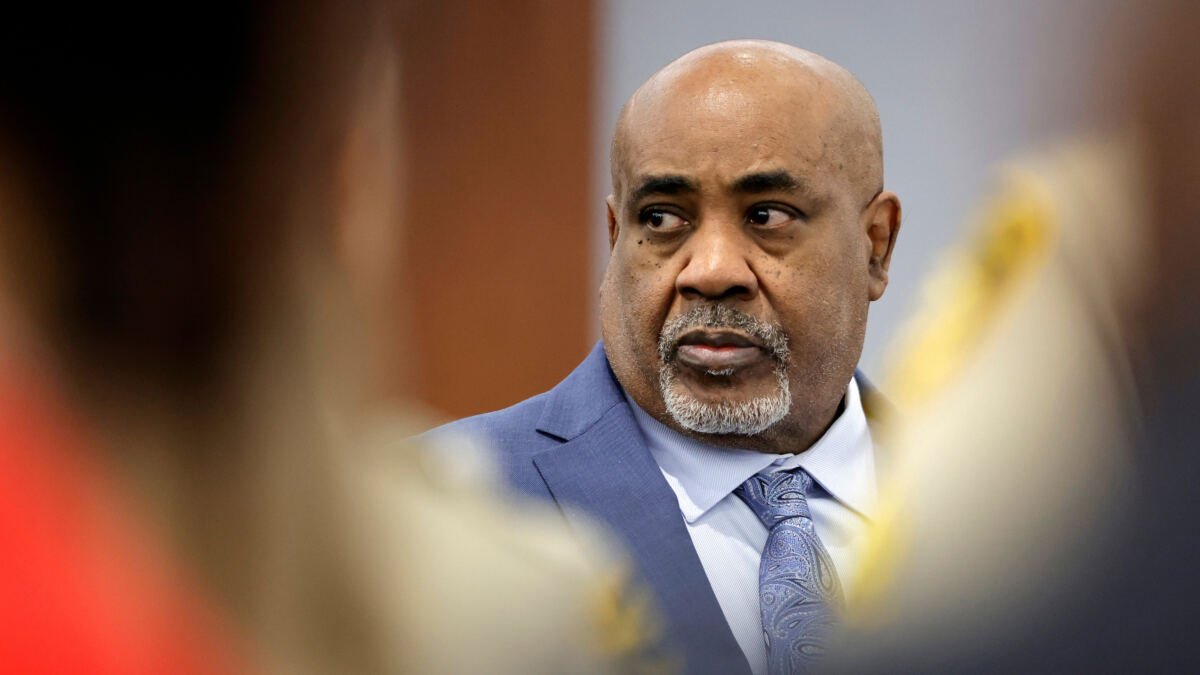
Dr. Gavin explained to jurors that Shakur suffered multiple gunshot wounds, with one bullet piercing his chest near his armpit and severely damaging his right lung. Surgeons at University Medical Center removed the lung in an effort to halt internal bleeding. Additional bullets damaged his intestines and other parts of his body, she testified. The nearly full courtroom fell quiet as jurors looked intently at the photos of Shakur’s bloated body with multiple chest wounds visible.
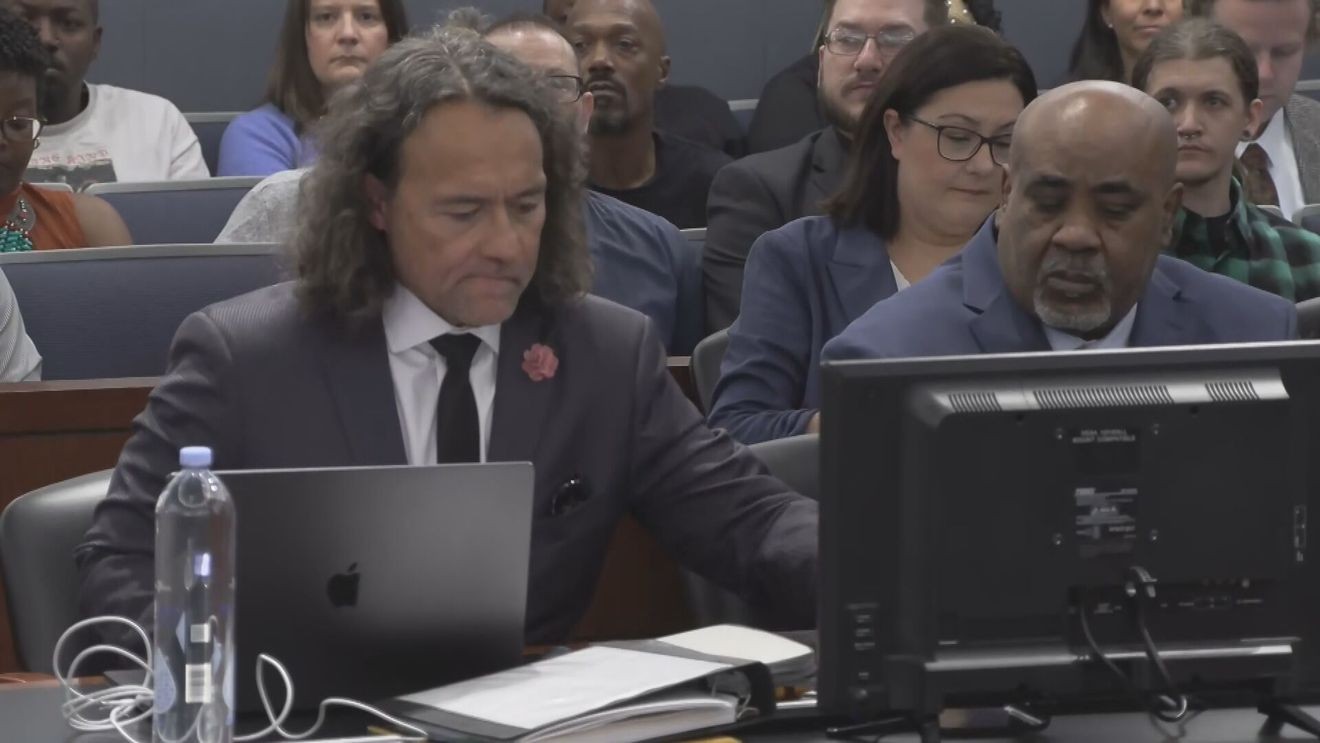
Davis sat quietly at the defense table, occasionally conferring with his attorneys as the evidence appeared on overhead monitors. The images were not shown in the video feed from the trial. Gavin was not present at Shakur’s original autopsy but was called as an expert witness because the examiner from 30 years ago has since died.
While some family members chose not to view the harrowing photos, Shakur’s cousin, Zayd Akinyela, remained in his seat throughout the medical testimony. Speaking to reporters outside the Regional Justice Center afterward, Akinyela explained his decision to stay inside the courtroom:
“I feel like the details, especially for people that are close to him, honestly for me helps… Helps the grief process. I think we’ve been waiting 30 years to grieve properly,” Akinyela said.
“A lot of people don’t get to grieve until they understand what happened to their loved one and how it happened. That’s why I wanted to stay and just see for my own personal closure.”
Akinyela acknowledged that seeing the photographs was extremely difficult, describing feeling “very angry, very angry, to say the least, very sad.” Family members returned to the courtroom following a brief recess as proceedings continued with further state witness testimony.
The autopsy evidence followed testimony from Thomas Kern, a former crime scene analyst with Las Vegas Metropolitan Police, who discussed evidence collected during Shakur’s autopsy and the importance of maintaining its integrity. Michael Ingram, an investigator for MGM Resorts International, also took the stand regarding surveillance footage and security records from the MGM Grand.
On cross-examination, Dr. Gavin acknowledged the limitations of forming opinions from photographs and explained that she was reviewing available records and forming her own opinion rather than critiquing the work of Dr. Jordan, who originally performed the autopsy but has since passed away. The defense used the questioning to focus on the materials Gavin relied upon to reach her conclusion that Shakur died as a result of gunshot wounds in a homicide.
Shakur was gunned down in a drive-by shooting while riding in a black BMW with hip-hop mogul Marion “Suge” Knight after a Mike Tyson fight at the MGM Grand. Prosecutors allege Davis was the “shot-caller” and “on-the-ground commander” who planned the shooting in retaliation for Shakur’s entourage attacking Davis’ nephew, Orlando “Baby Lane” Anderson, in a casino brawl hours earlier. Davis is not accused of pulling the trigger himself. Chief Deputy District Attorney Binu Palal told jurors in opening statements that “Duane Davis did not pull the trigger. But he did plan the shooting in retaliation of the beating of his nephew. Remarkably, you will learn that from Duane Davis himself.” Davis has pleaded not guilty, and his attorney Michael Sanft called the prosecution’s narrative “fiction” in his opening statement.
The trial, which is expected to last several weeks, continues with additional state witness testimony at the Clark County courthouse.