


Parker Tirrell was 13 when she came out as a transgender girl to her family, and for a while, life went on much as it had before. She played soccer, the game she picked up at age four, had sleepovers with her friends and watched movies with her family. In 2024, when the state of New Hampshire banned transgender girls from playing school sports consistent with their gender identity, she and her family sued.
Two teenage transgender girls have withdrawn their federal lawsuit challenging New Hampshire’s 2024 law banning transgender girls from girls’ school sports, following a U.S. Supreme Court ruling last month that upheld similar restrictions in other states. Parker Tirrell and Iris Turmelle, along with their parents, voluntarily withdrew their case on Wednesday, marking an end to more than two years of legal battle.
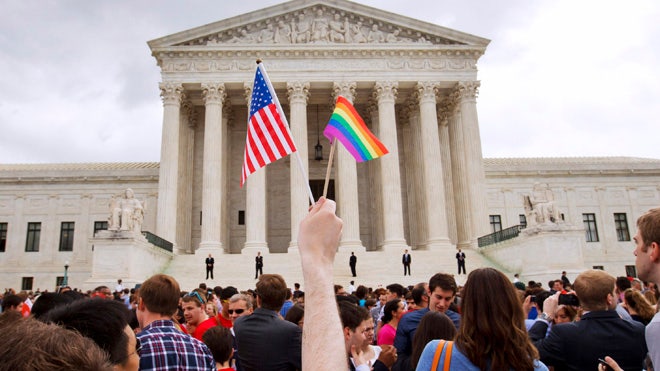
The decision came in the wake of the Supreme Court’s June 30 ruling, which held that states can legally separate school athletics on the basis of biological sex without violating either the Constitution or federal Title IX protections against sex-based discrimination in education. The ruling upheld similar laws in Idaho and West Virginia, fundamentally shifting the legal landscape for transgender athletes nationwide.
Chris Erchull, senior staff attorney at GLAD Law, which represented the families, said in a statement that the decision “reflects the realities facing our clients.” He described how the litigation had taken an enormous toll on the two students since the case was first filed in 2024. “Over the years of litigation, Parker Tirrell endured sideline protests, attacks on social media and relentless scrutiny simply because she wanted to play soccer with her classmates and friends,” Erchull wrote.

Parker’s experience included far more than online harassment. She was subjected to protests at soccer games and was even hassled by some boys at her own school. Part of her school district’s varsity team refused to play against her, and at one game, some opposing players refused to high-five her at the end. Most notably, at another game in Bow, a group of parents appeared wearing pink armbands with “XX” symbols in protest of transgender girls’ participation in girls’ sports, creating an atmosphere of hostility around her athletics.
“Her love of the game was overshadowed by political and legal battles no child should be drawn into,” Erchull said. “Not wanting to drag her team down, Parker ultimately quit playing.” The game that had been central to her life since early childhood was no longer fun. Protesters showing up at games, opposing teammates unwilling to shake her hand, and the weight of litigation combined to make her step away from the sport.
Iris Turmelle did not endure the same level of bullying as Parker, according to her mother, Amy Manzelli. But the toll on her family was its own kind of heartbreak. Iris and her family lived in Pembroke and attended Pembroke Academy when the litigation began nearly two years ago. Last year, they made the difficult decision to leave New Hampshire entirely, driven out by what they described as a relentless tide of anti-trans bills introduced session after session in the state legislature.
The political climate for transgender people in New Hampshire became increasingly hostile. In 2024, Governor Kelly Ayotte signed legislation prohibiting medical professionals from providing puberty blockers and hormone replacement therapy to new transgender patients under age 18, though carve-outs existed for people already receiving such care. Despite this, the family felt the risk was too great. “Though there may be a carve-out for people already receiving gender-affirming care, that is way too close a call for us to risk staying,” Manzelli wrote.
The family relocated to Maine, where Manzelli felt the environment was more accepting. “I feel that Maine is a better place for transgender people, including transgender kids, to be than New Hampshire,” she said. “The environment here is terrific. There are open celebrations of pride and queerness every which way you turn.” Yet the move, while necessary to her family, came with significant costs. Iris had to leave behind her grandparents, cousins, and lifelong friends, and start over in a new state she did not choose.
The original lawsuit was paused in the summer of 2025 as both sides awaited the Supreme Court’s decision. When the court ruled against transgender athletes on June 30, it upheld the legitimacy of state bans and found that they do not violate Title IX. This dramatically changed the legal landscape and the family’s prospects for success. Erchull had initially suggested that the New Hampshire case differed from those before the Supreme Court because a federal judge had found that state lawmakers intentionally targeted transgender people. Despite this potential argument, the Supreme Court’s decision and the deteriorating circumstances facing the plaintiffs led to the decision to withdraw.

New Hampshire’s law bars transgender girls in grades 5 through 12 from playing on girls’ sports teams and defines a student’s sex based primarily on their unamended birth certificate. The law applies to public schools as well as private schools that compete against public schools. With the lawsuit now dismissed, nothing stands between the law and its full enforcement.
The decision also came in the context of President Trump’s executive order signed in February 2025, titled “Keeping Men Out of Women’s Sports,” which sought to ban transgender women and girls from competing on girls’ and women’s sports teams nationwide. The teenagers had added Trump’s administration as a defendant in their suit before the litigation was paused. When Trump returned to the White House in 2025, at least one other school district in New Hampshire stopped allowing transgender girls to participate in girls’ sports, demonstrating the expanded impact of his directives.
Erchull made clear that dropping the case does not mean the fight is over. He said he is hearing from families of other transgender students in New Hampshire who may want to pursue new legal challenges. He also disputed the Supreme Court’s decision, arguing that Title IX clearly protects the right to be free from discrimination in education based on sex. “This case was always about two courageous young girls who simply wanted the same opportunities as their peers to participate in school life,” he said.
Despite the setback, both Iris and Parker intend to keep advocating for transgender people’s rights. Manzelli expressed both resignation and hope about the future. “Despite everything, I do feel hopeful,” she said. “I just wish I knew when the hate towards transgender people was going to end. I really don’t question that it will end. I just wish I knew when and how.”