

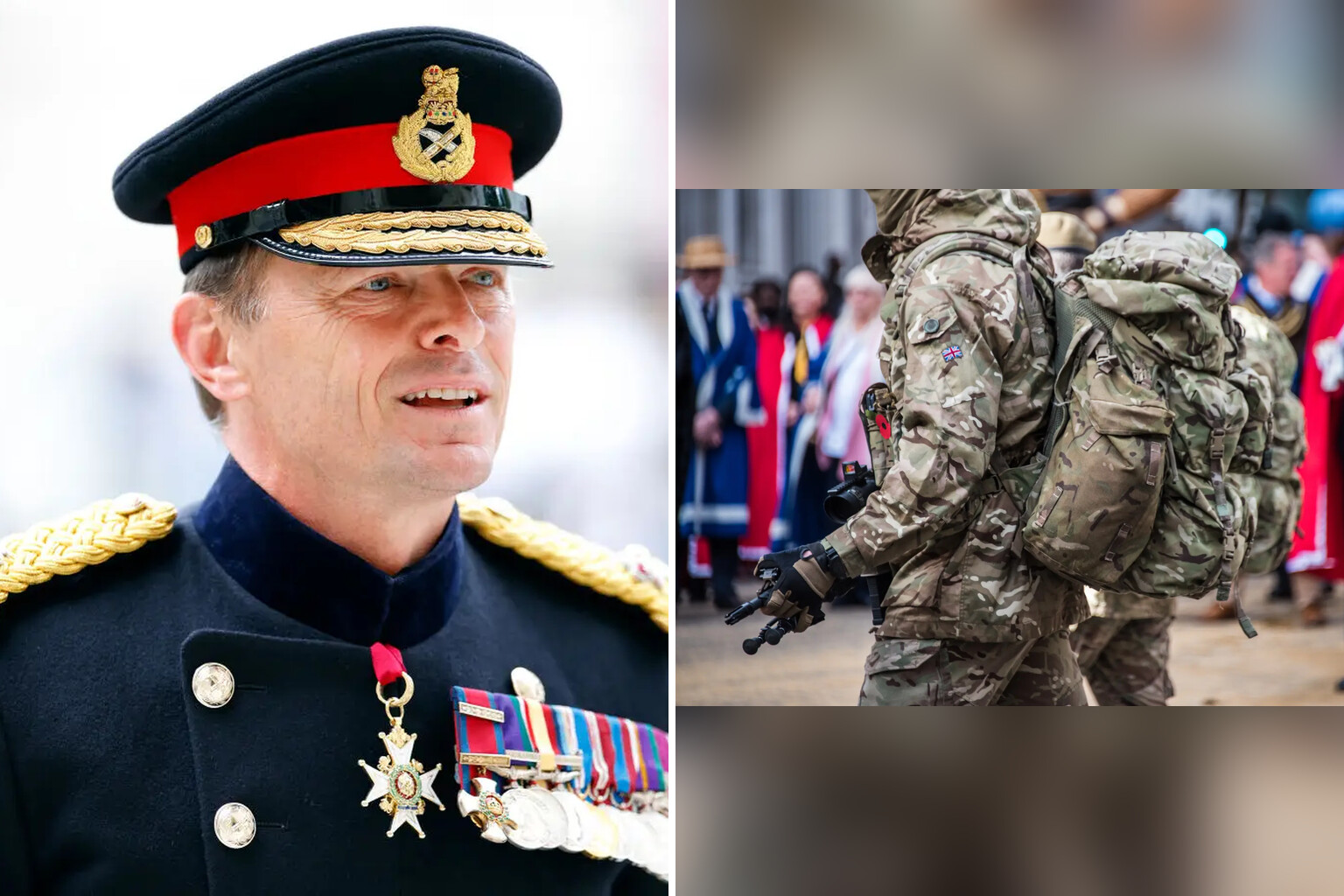
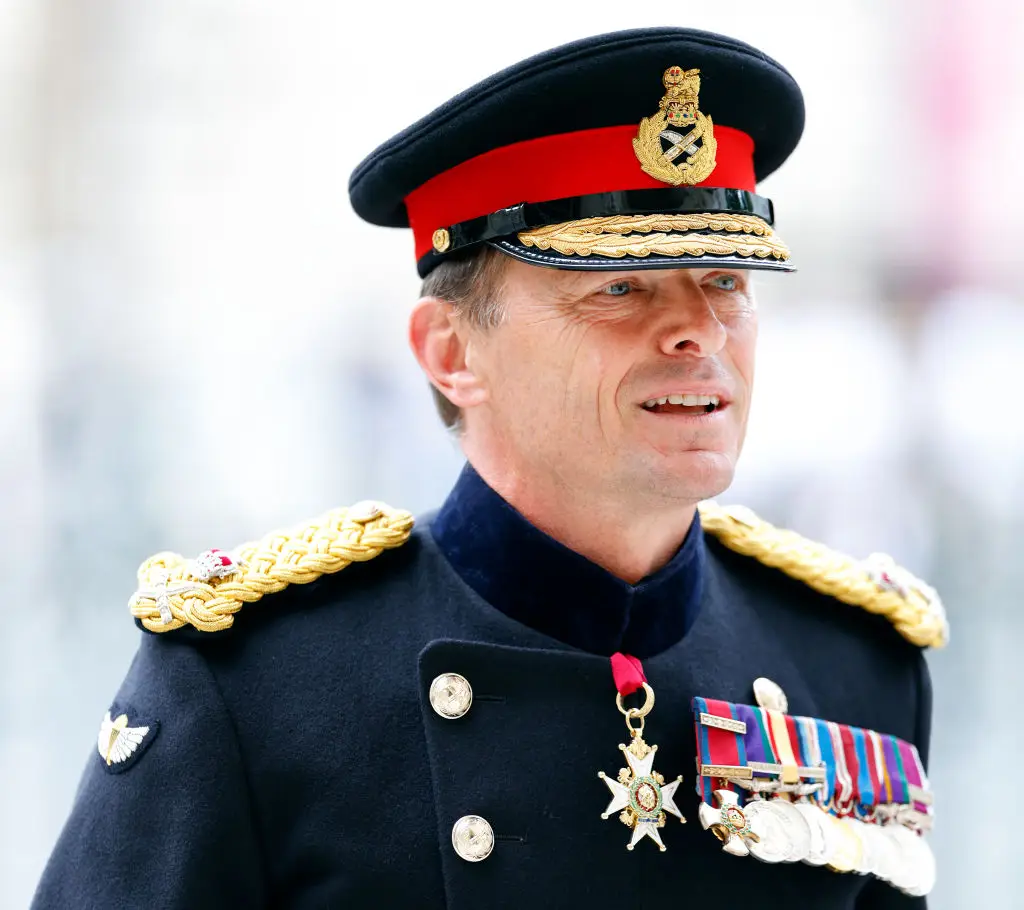
General Sir Roly Walker has warned Britons that they will need to “take the fight to the enemy” if the nation is drawn into war.
The Army Chief of the General Staff delivered his message to 700 soldiers at Catterick Garrison last week, and his remarks were broadcast via the British Forces Broadcasting Service. Walker, addressing the troops, made clear that ordinary citizens would be expected to play their part. “You didn’t know this, but our nation is going to need you,” he said.
He continued that people in the UK will need to “consent to sacrifices to prioritise defence and security.”
“And then they are going to ask those citizens, for whom we are not necessarily at the front of their mind, that they too need to play a part in the defence and security of this country,” he added.
The general’s warning comes as half of the public say they would not go to war for the UK, according to a new poll. Yet historical patterns suggest who would be called upon first if conscription were ever reinstated.
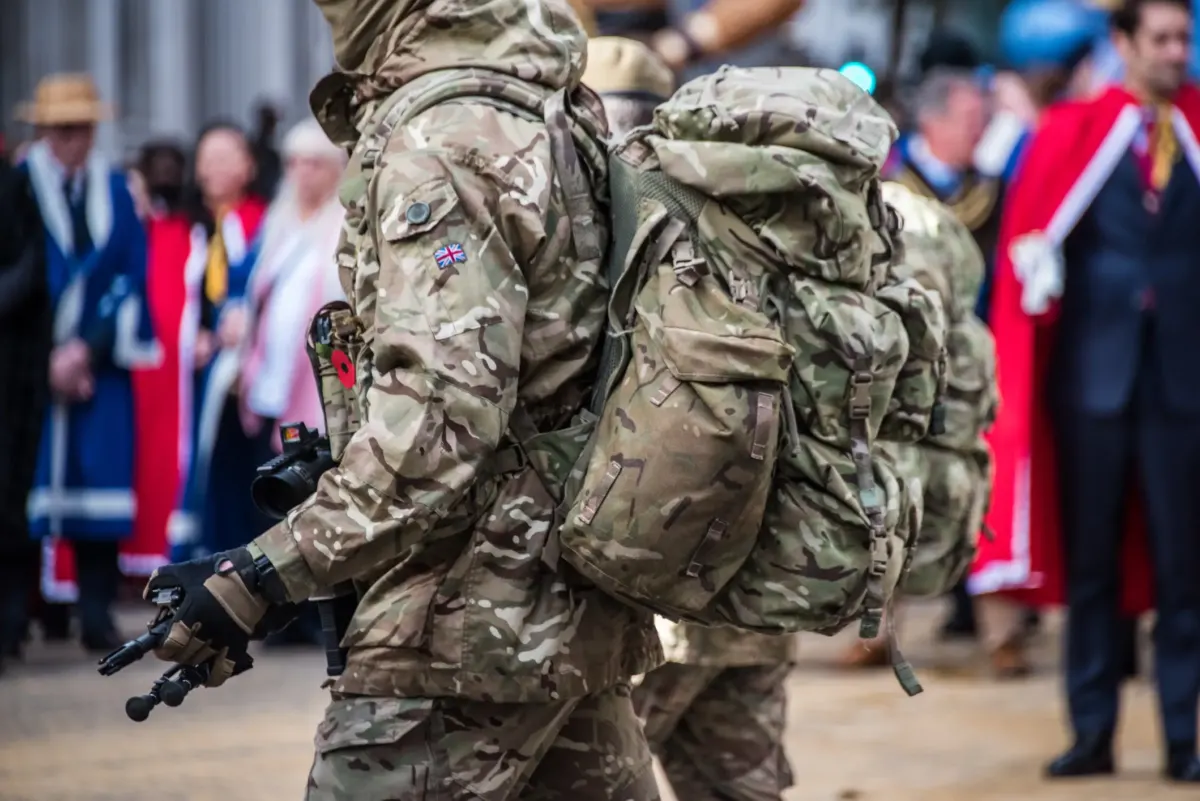
Those aged 18 to 25 sit at the top of that list. Young adults are prioritised as troops because they can be trained quickly and possess the physical capability to endure long-term conflict. The UK government’s precedent dates to early 1939, when limited conscription was introduced for men aged 21 to 22. Once war was declared, the bracket expanded to cover those between 18 and 41.
Family status has long shaped conscription decisions. During the Second World War, the government adopted a phased approach that singled out people first. Single people without children were drafted before married parents to minimise family disruption.
Women would face a markedly different prospect in any future conflict than they did in the past. Between the ages of 20 and 30, women were called up during WWII for nursing, munitions and auxiliary positions. The distinction between auxiliary and combat roles has since eroded. A 2024 YouGov poll found that 72% of Brits support women fighting on the frontlines.
Former military personnel would also be prime candidates for drafting, given their existing training. Should a war drag on, older civilians would follow. In the closing stages of WWII, people up to 51 were conscripted, while those aged 52 to 60 were directed into civil defence.

Certain professions would likely escape the call-up. Bakers, farmers, doctors, nurses and engineers are expected to be exempt due to their ties to food production and healthcare. Those who refused conscription outright during WWII faced prison unless they accepted alternative work in farming, hospitals, civil defence, forestry or non-combat military roles.
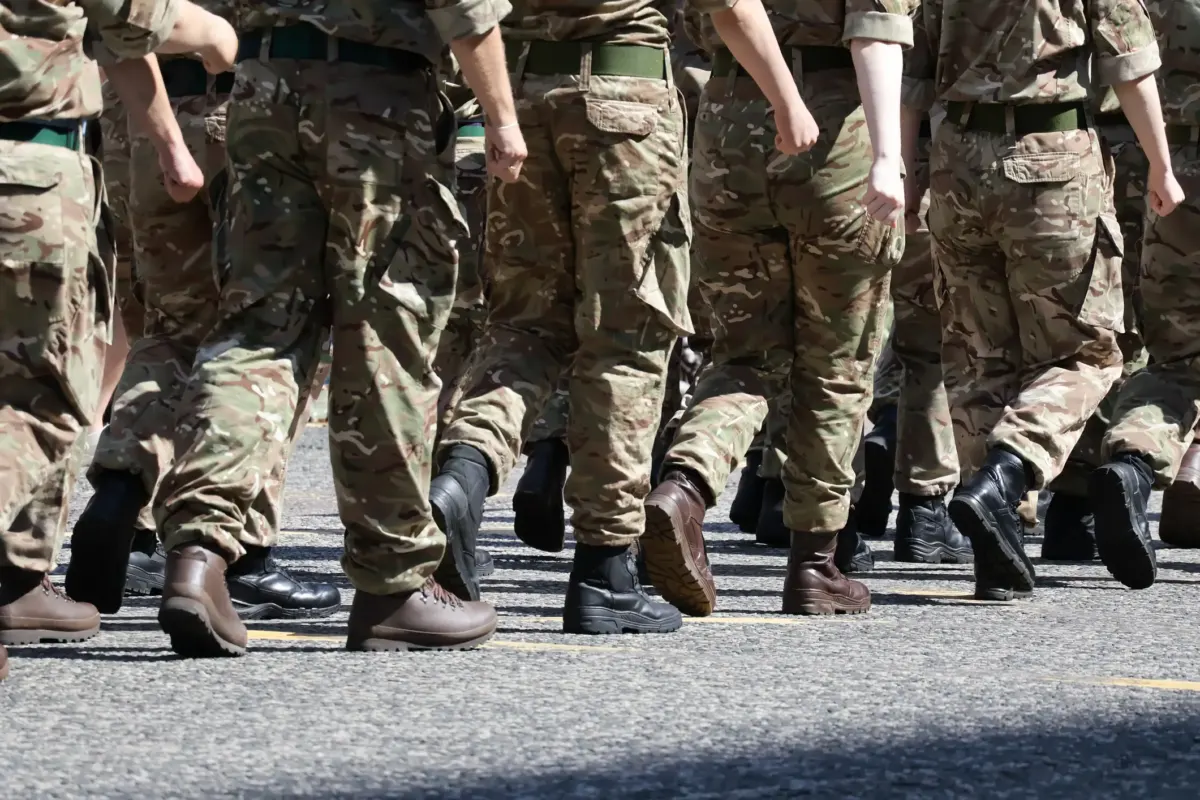
Despite the mounting speculation, senior officials have sought to dampen fears of imminent conscription. Sir Richard Knighton, Chief of the Defence Staff, recently stated he “cannot see conscription returning in the short term,” He added that there were “no plans” to bring it in, though he cautioned that “the situation in the world may deteriorate very significantly.”
Prime Minister Keir Starmer told the News Agents podcast last year that such a proposal has “never crossed my lips.” His remarks came before he signed a deal to deploy British troops in Ukraine should a peace deal with Russia be reached, a move that has intensified debate about how close the UK stands to broader conflict.
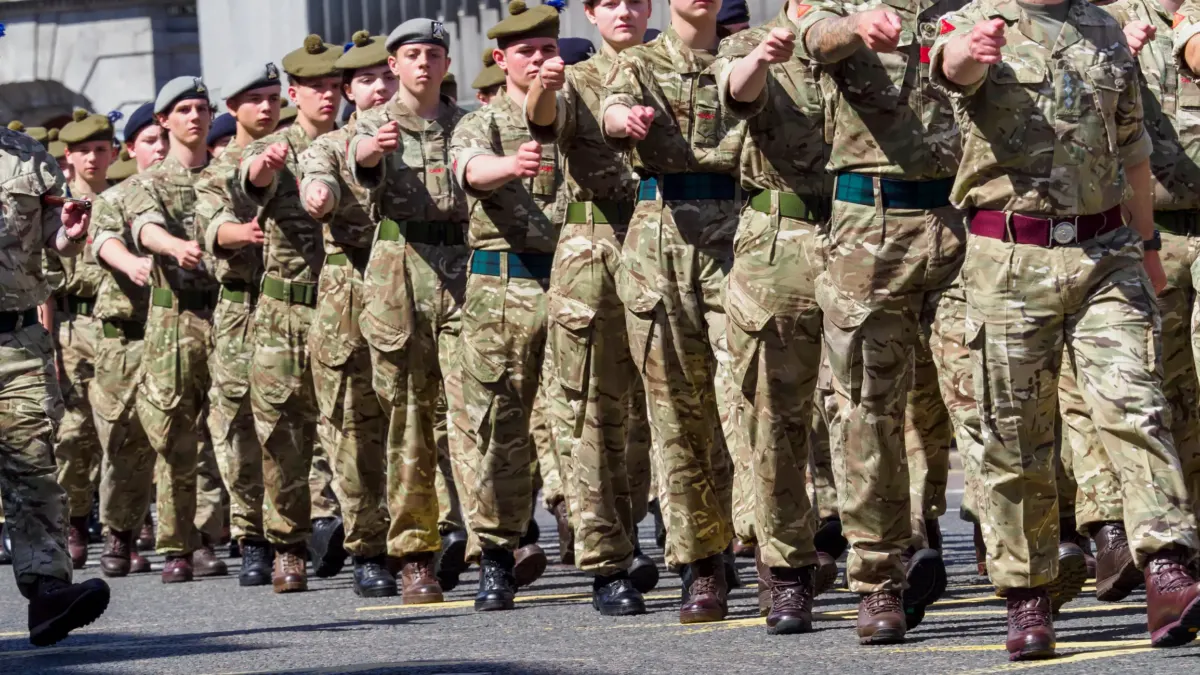
Conscription is triggered when a military lacks sufficient volunteers and legally compels eligible citizens to fight. It was first introduced in the lead-up to World War II. While no formal reintroduction has been confirmed, Walker’s public appeal and the turbulent international climate of early 2026 have kept the possibility in public conversation.