

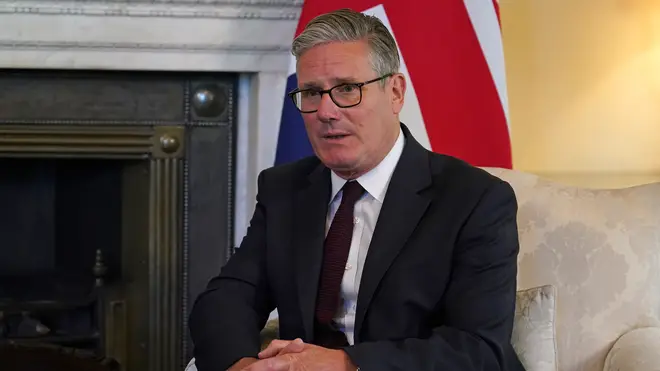
Prime Minister Keir Starmer has formally apologized on behalf of the British state for decades of forced adoptions involving an estimated 185,000 unmarried mothers in England and Wales between 1949 and 1976. The long-awaited apology represents a historic acknowledgment of one of the nation’s most shameful chapters, delivering vindication to survivors who have campaigned for decades seeking recognition of the harm caused.
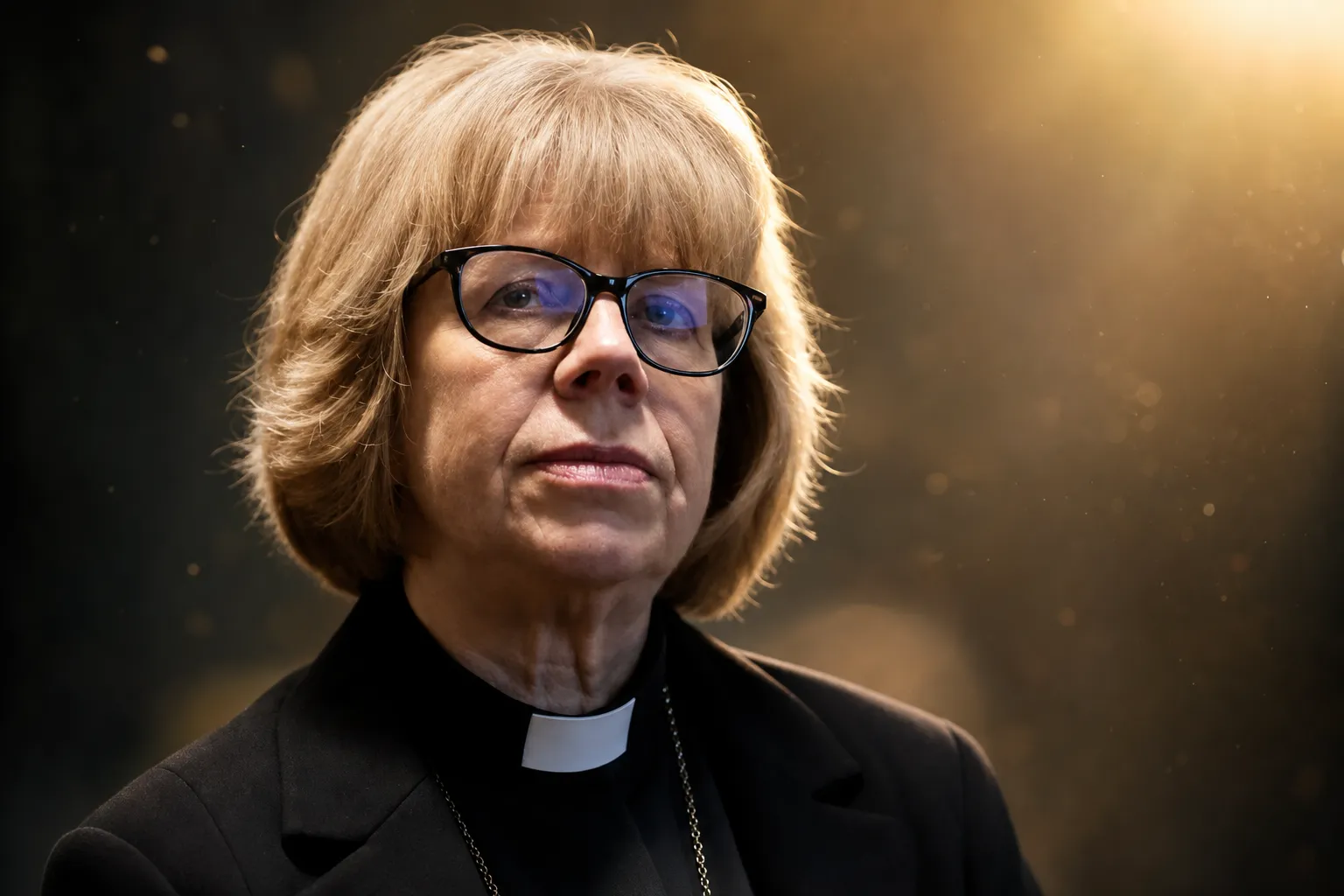
The apology comes two weeks after the Church of England issued its own formal statement, acknowledging its role in running mother and baby homes where unmarried women were coerced, shamed and separated from their newborn children. Archbishop of Canterbury Sarah Mullally stated that the church was “profoundly sorry for the pain, trauma and stigma experienced—and still carried—by many people because of historical adoption practices in homes linked to the Church of England.”
The practice of forced adoption exploited a culture of profound shame and secrecy surrounding unmarried mothers. During the post-World War II era through the mid-1970s, young women were sent to church-affiliated and charity-run mother and baby homes, often against their will. There, they were subjected to menial labor described as a form of “correction” for having children out of wedlock. Church policies theoretically protected mothers’ rights to keep their children, yet staff routinely ignored this guidance and worked closely with adoption agencies to pressure vulnerable women with few alternatives into surrendering their babies.
The movement toward accountability began years earlier. In 2022, the Joint Committee on Human Rights published a damning report concluding that “the Government bears ultimate responsibility for the pain and suffering caused by public institutions and state employees that railroaded mothers into unwanted adoptions.” The previous Conservative government rejected calls for a formal apology at that time, contending the state had not actively supported the practices. That position changed when Labour took office, with Education Secretary Bridget Phillipson confirming that a state apology was coming “very soon.”
The formal apology arrives nearly a decade after campaigns began in earnest, though the Movement for an Adoption Apology was founded in 2010 to seek justice for those affected. Many key campaigners did not live to see this moment. Veronica Smith, who co-founded the Movement for an Adoption Apology, died on June 29, 2024—exactly two years before the state apology. Current chairwoman Diana Defries, who had her own baby daughter forcibly adopted in the 1970s at age seventeen, said the apology would be tinged with sadness knowing some of the “tireless” campaigners would not be there to witness it.
The impact of forced adoption has been lifelong and profound for survivors. Mothers describe being haunted by guilt and shame for being unable to raise children taken from them. Adult adoptees report living with rejection trauma, impaired sense of self-worth and persistent struggles with trust and intimacy. A cross-party parliamentary inquiry that examined evidence in 2026 found that both mothers and adoptees experience elevated rates of serious mental health problems, including post-traumatic stress disorder. The wounds remain present, not historical—survivors continue to grapple with the consequences decades later.
Alongside the formal apology, campaigners have long demanded concrete support measures. A cross-party Education Committee investigation completed in March 2026 made detailed recommendations including better access to adoption records, trauma-informed healthcare for survivors, and regular government consultations. The Church of England has committed to providing support at the local parish level and establishing online resources to help survivors trace their records. A broader independent financial redress scheme is scheduled to open in late 2026, allowing victims to apply for compensation on a case-by-case basis, with payouts capped at 660,000 pounds for exceptional circumstances.
Other nations have preceded the UK in making similar acknowledgments. Ireland issued a state apology for its Magdalene laundries and mother and baby institutions, while also establishing a Mother and Baby Institutions Payment Scheme offering financial redress and enhanced health support to survivors. Australia has likewise apologized for forced adoption practices. Scotland’s government issued a formal apology in 2023, as did Wales.
The institutions complicit in these practices extended beyond the Church of England. The Catholic Church in England and Wales, the Salvation Army, Barnardo’s, and numerous medical and social work professionals all played roles in either operating homes or coercing women into surrendering their children. A parliamentary inquiry found there could have been as many as 200 mother and baby homes operated by church organizations during the 1949-1976 period.
The apology marks a turning point for survivors now in their fifties through nineties who have spent decades fighting for recognition. Yet advocates emphasize that words alone carry limited meaning without substantive action. Financial compensation, accessible records, trauma-informed support services, and systemic accountability remain essential to addressing the enduring harm inflicted on hundreds of thousands of mothers, adoptees, and their families.