

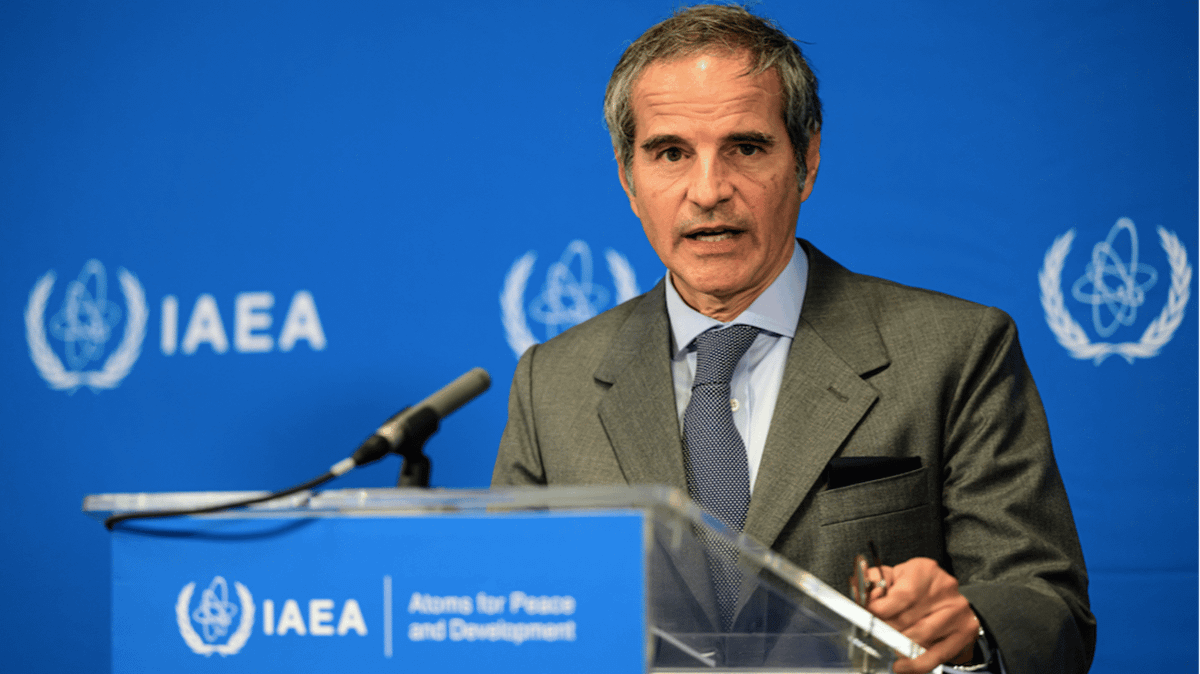
International Atomic Energy Agency Director General Rafael Grossi says the world is moving into an “extremely dangerous” period of renewed nuclear competition as geopolitical tensions intensify.
Grossi has cautioned that expanding conflict and instability could push the international system toward another nuclear arms race, with more governments considering whether they need their own deterrent.
He warned that the number of nuclear-armed countries could swell to “as many as 20 states,” arguing that today’s volatility has left the global order in a “very, very fragile position,” where even a small failure could trigger a rush to acquire nuclear capability.
“There are all these things which fill me with concern because I believe that a world with 20 nuclear weapon states or more would be extremely dangerous,” Grossi said.
He said he fears an increasingly unpredictable security environment could prompt some nations to conclude they are no longer adequately protected, and to rethink long-standing non-nuclear policies.
Grossi also pointed to what he described as a “current atmosphere of fragmentation, conflict, polarisation” as a driver behind more open discussion of nuclear armament.
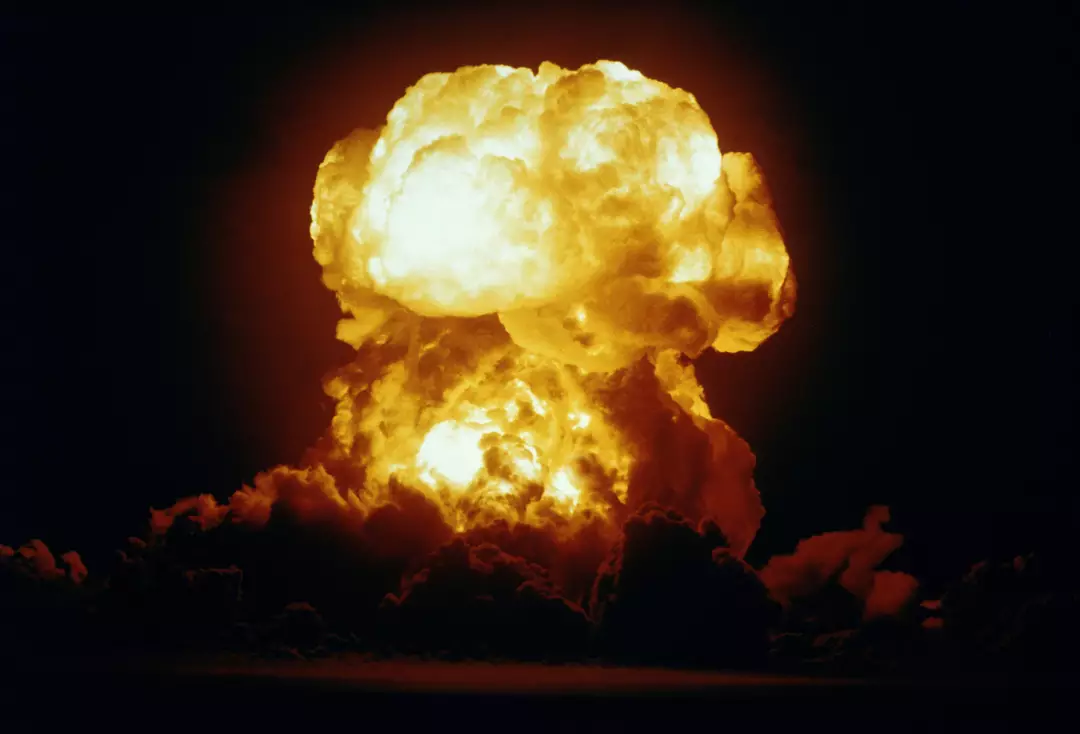
While many states are signatories to the Treaty on the Non-Proliferation of Nuclear Weapons, Grossi suggested that breaking with its constraints is now being discussed in ways that would have seemed far less plausible in the past.
He said that across parts of “Europe, Asia Minor and the Far East,” some countries are now debating nuclear options in public, including concepts he characterised as “friendly proliferation”.
The phrase refers to the notion that allies might share nuclear arrangements, or provide indirect support that helps another country move closer to a nuclear weapons capability.
Grossi stressed that preventing any further spread of nuclear capabilities is critical, warning that loosening restraints would significantly increase global risk.
Five countries are formally recognised as nuclear-weapon states: the United States, Russia, China, France and the United Kingdom.
India, Pakistan, North Korea and Israel are also widely believed to possess nuclear weapons.
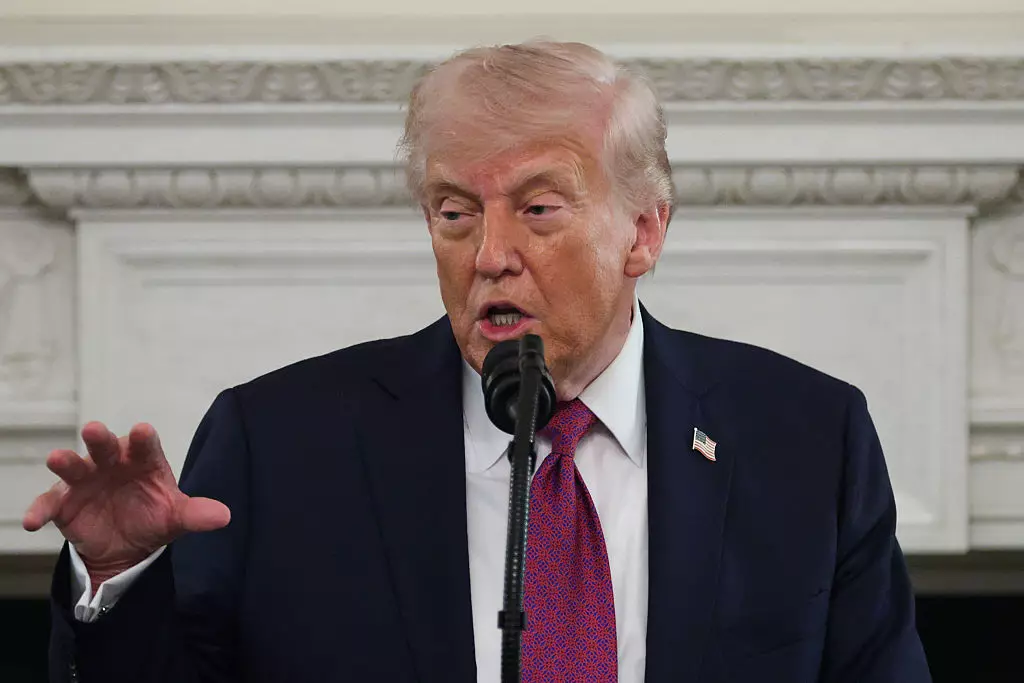
Combined, the nine nuclear-armed states are estimated to hold around 12,300 warheads as of 2026, although most provide limited public detail about the exact scale and makeup of their stockpiles.
Growing friction between nuclear-capable powers has increased concern about miscalculation and escalation. The Russia-Ukraine war, heightened tensions involving the United States, Israel and Iran, and the Israel-Hamas war are all cited as flashpoints that could widen into broader international confrontation.
Concerns over Iran’s nuclear programme remain a major factor in the standoff involving the U.S., Israel and Iran. Trump has said Iran should dismantle existing nuclear capabilities and guarantee it will never seek nuclear weapons.