

A harrowing new documentary examining the persecution of LGBTQ+ people has prompted a stark warning from a senior UN official, who says the world may be drifting toward another major HIV/AIDS crisis without fully recognising the risk.
Hunted: Kidnapped, blackmailed and tortured for being LGBTQ+ premiered at ICA London, shining a light on a deeply troubling pattern of abuse in Nigeria. The documentary details how LGBTQ+ people are being lured into traps, publicly shamed and financially exploited by organised gangs.
It also includes distressing footage showing victims being kidnapped, assaulted and tortured, with recordings of the attacks later circulated online, compounding the trauma they face.
After the screening, panellists including human rights campaigners, healthcare professionals and Reverend Jide Macauley, who founded House of Rainbow, discussed the issues raised by the film.
During that discussion, attention shifted from the violence shown in the documentary to broader fears about the global consequences of shrinking international support.
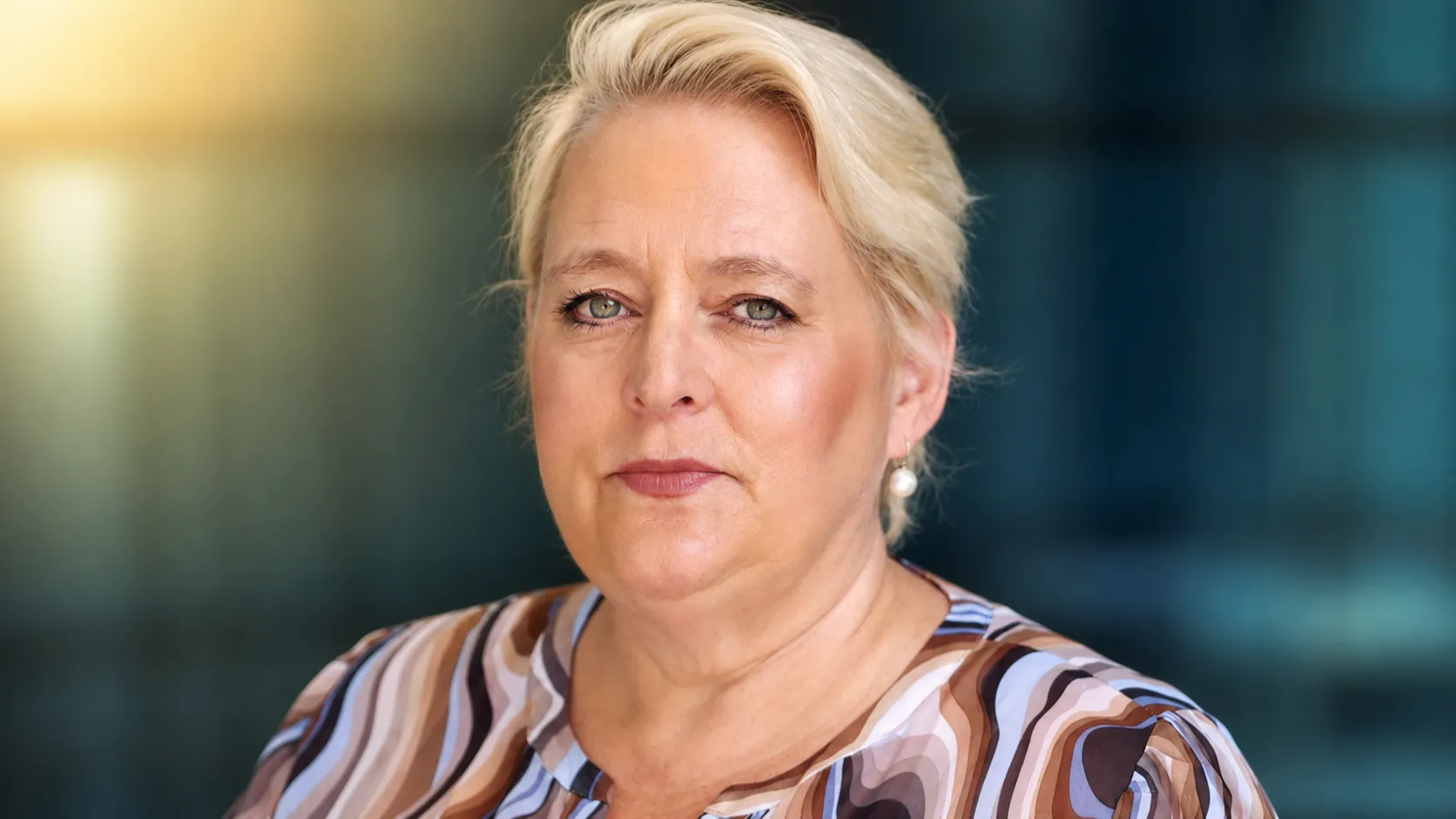
Christine Stegling, director of management and partnerships at UNAIDS, told the audience that cuts to aid from the US, UK and other countries could fuel a new HIV and AIDS epidemic, warning that global indifference may make the situation even worse.
“In the 1990s, the 2000s, when we were all demonstrating to have access to treatment, when we said this is a disaster, people are dying, people cared, we got people to care, we called for all of this,” she said, before adding that she doesn’t believe the same global urgency would return.
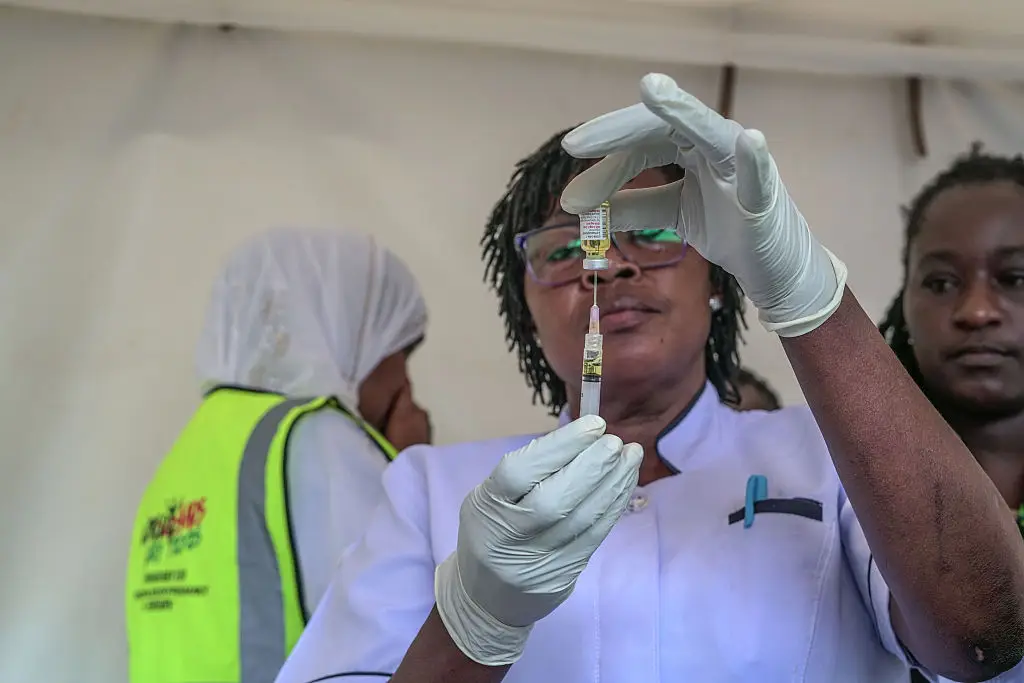
She pointed to existing evidence suggesting that people are already being cut off from testing and treatment, leaving many unaware of their HIV status until it may be far more dangerous.
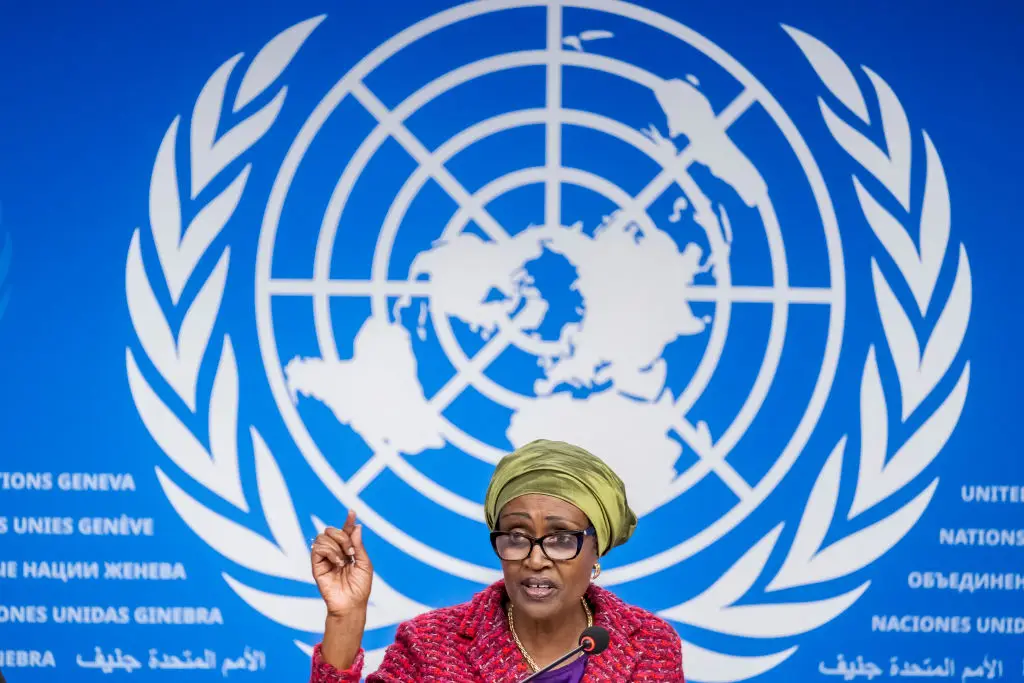
Her comments come amid major reductions in international health funding and a broader reset of the global AIDS response. In 2025, the United States launched a sweeping foreign-aid review that disrupted USAID programming and led to widespread cuts across health and development projects. The UK has also announced a £150 million cut to the Global Fund, alongside forecasts showing British support to Africa could fall by 56 per cent between 2026-27 and 2028-29.
UNAIDS has warned in recent months that abrupt funding declines, weaker human-rights protections and underinvestment in HIV prevention and community services are threatening to reverse years of progress. The agency says some countries have already seen drops in condom distribution, testing and access to prevention services, while community-led organisations supporting key populations have been forced to scale back or close.
UNAIDS’ latest global strategy, covering 2026 to 2031, says the world still needs sustained annual investment in the HIV response if it is to stay on track toward ending AIDS as a public health threat by 2030. The strategy also warns that prevention remains especially underfunded, even as new tools such as long-acting PrEP and long-acting treatment have created fresh opportunities to reduce new infections.
Charles Ssonko of Médecins Sans Frontières UK shared similar concerns during the panel, warning that the world could be heading back to “those moments two decades ago when people were actually dying without hope.”
Journalist Bel Trew, who reported the documentary, said survivors she’d spoken to were ‘beyond brave’ given the fear they live with, adding that the world “cannot turn its back on the most vulnerable at a critical moment.”
The warning comes just weeks after UN agencies and advocates gathered ahead of the 2026 UN High-Level Meeting on HIV/AIDS to urge governments to recommit to the global response, with officials saying progress remains real but fragile.