

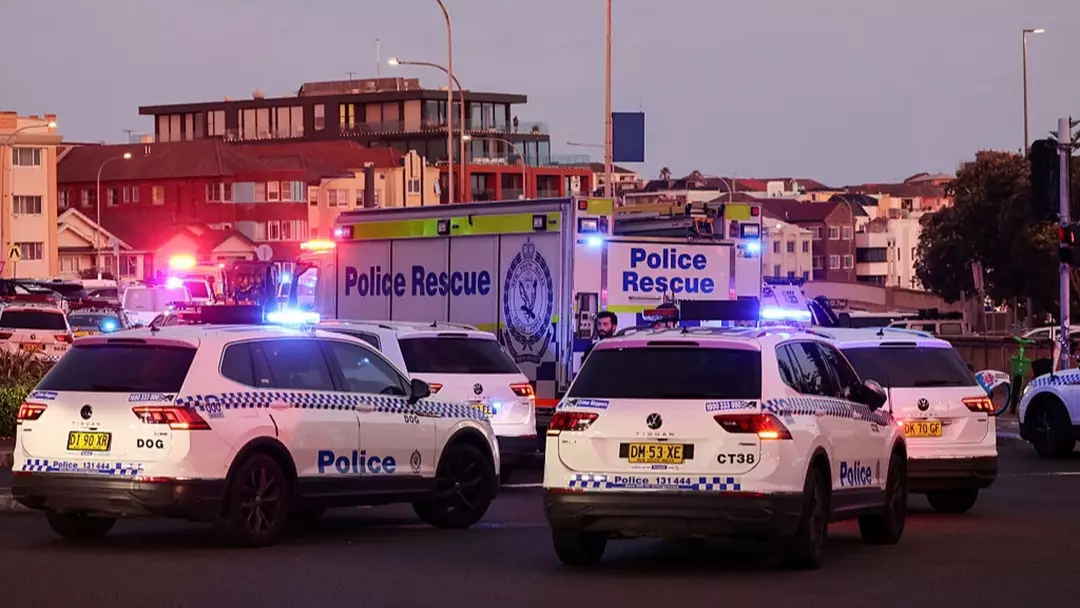
Australia’s gun laws are under scrutiny as Prime Minister Anthony Albanese commits to reinforcing them following a recent mass shooting.
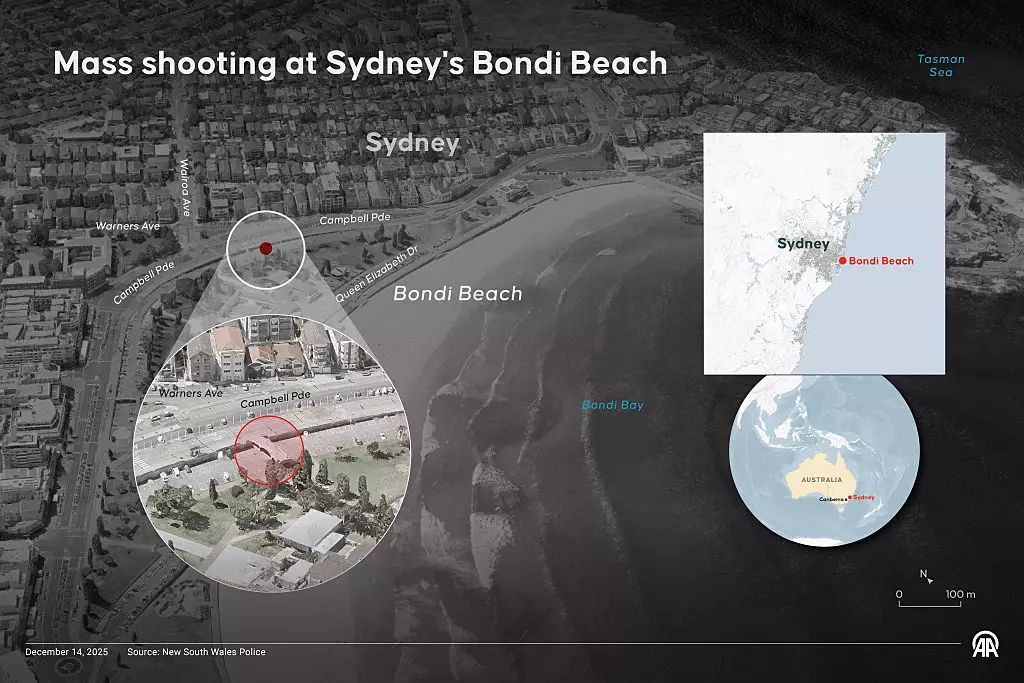
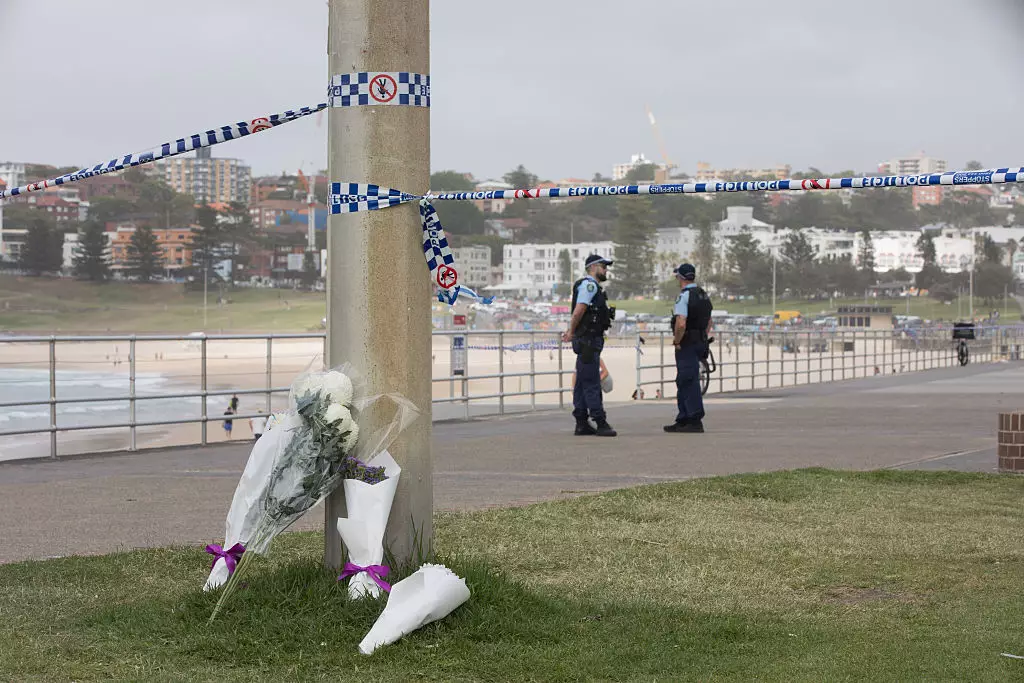
The tragic event at Bondi Beach in Sydney on December 14 resulted in the deaths of 15 people and injuries to many others after gunmen opened fire during Hanukkah celebrations attended by over 1,000 people.
Police report that the shooters used a footbridge overlooking the Campbell Parade to target individuals from the Jewish community.
Among the victims is 10-year-old Matilda, a former police officer, and a Holocaust survivor.
The alleged perpetrators are identified as Sajid Akram, 50, and his son, Naveed Akram, 24.
Sajid has passed away while Naveed remains in critical condition.
According to the BBC, Sajid possessed a firearms license for recreational hunting and was part of a gun club.
In response, Albanese has proposed stricter regulations, including a cap on the number of firearms a licensed individual can own.
“The government is prepared to take whatever action is necessary. Included in that is the need for tougher gun laws,” Albanese said.
“People’s circumstances can change. People can be radicalized over a period of time. Licenses should not be in perpetuity.”

Australia is known for having some of the most stringent gun control laws globally.
These laws were significantly reformed following the 1996 Port Arthur massacre, where 35 lives were lost.
The National Firearms Agreement (NFA) serves as the foundation for Australia’s gun legislation, establishing national standards for gun control.
Implemented that same year, the NFA includes mandatory licensing for all gun owners, stringent import and sales controls, and a gun buy-back initiative that removed numerous firearms from circulation.
To legally own a firearm in Australia, individuals must be licensed by state or territory police and be at least 18 years old.
Applicants must provide a ‘genuine reason’ for ownership, such as hunting, sport shooting, or farming, as self-defense is not deemed valid.
Safety training and background checks, reviewing both criminal and medical history, are prerequisites for firearm ownership.
Guns must be registered to their owners by serial number, and there are specific safe storage requirements: firearms must be locked in approved cabinets and ammunition stored separately.
Certain firearms, particularly automatic and many semi-automatic weapons, are generally banned for private use, with few exceptions.