

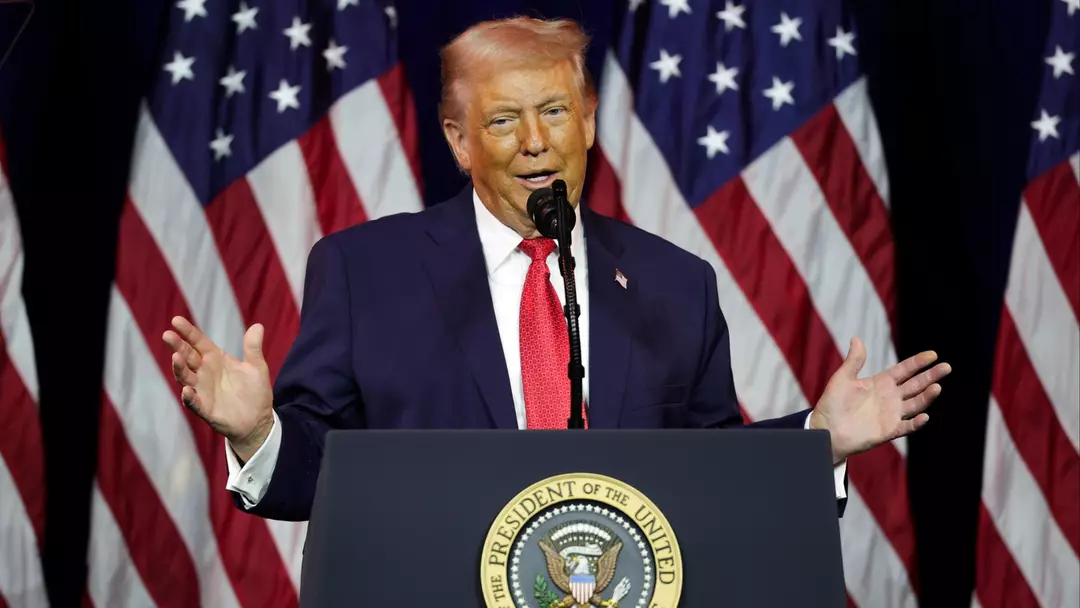
Donald Trump has issued a concerning indication that he may pursue denaturalizing US citizens, but what does ‘denaturalization’ entail?
Immigration enforcement actions have intensified during Trump’s second presidency, with numerous reports indicating that ICE agents are detaining individuals irrespective of their legal status.
Although the administration argues these actions are aimed at enhancing public safety, detractors like Minnesota Governor Tim Walz assert that they achieve the contrary.
Immigration policy has been a cornerstone of Trump’s presidency, despite a decline in public approval for his immigration strategies since assuming office.
The notion of denaturalization adds another dimension to this policy focus, broadening the scope from undocumented migrants to those who have lawfully attained US citizenship.
“We have criminals that came into our country, and they were naturalized maybe through [President Joe] Biden or somebody that didn’t know what they were doing,” Trump remarked in early December.
“If I have the power to do it — I’m not sure that I do, but if I do — I would denaturalize, absolutely.”
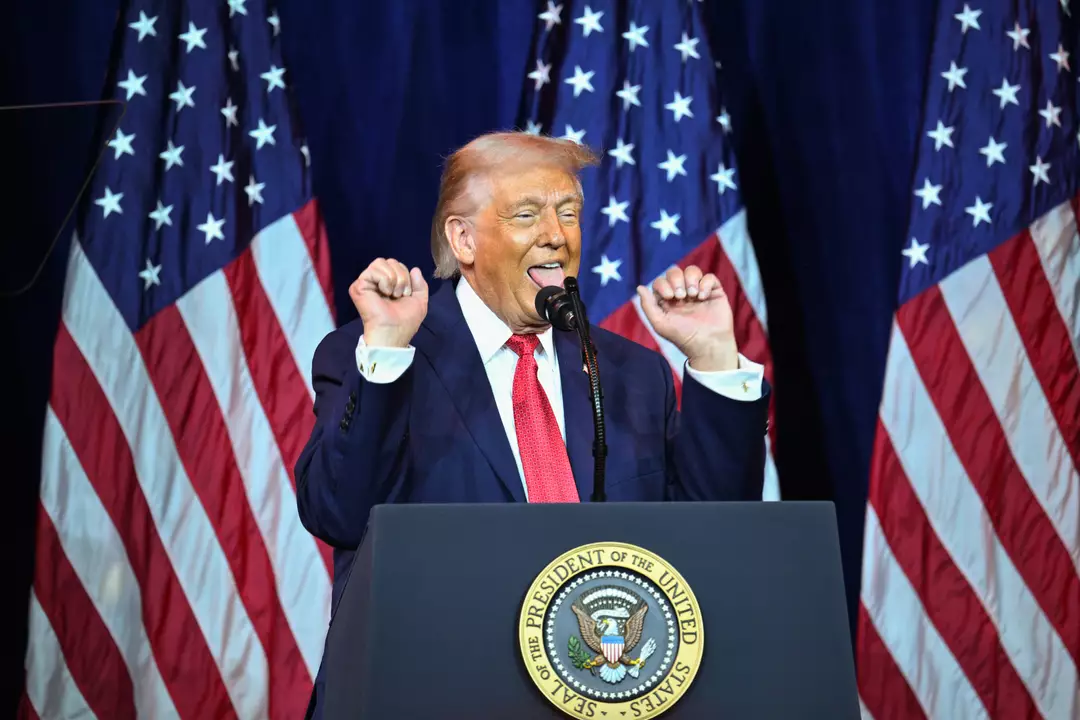
Denaturalization involves revoking an individual’s citizenship against their will, a process fraught with controversy. A well-known case in the UK involves Shamima Begum, whose citizenship was annulled after she joined ISIS in Syria at 15, leaving her stateless.
Critics argue that denaturalization could establish a dangerous precedent, allowing governments to strip citizenship from individuals they oppose.
In the United States, the context is specific to individuals who have acquired citizenship after relocating to the country.
Eligibility for naturalization typically requires being at least 18, possessing basic English language skills, and demonstrating ‘good moral character’.
Applicants must also satisfy one of the following criteria: holding a green card for at least five years, being married to a US citizen and a lawful resident for three years, serving in the US military, or being a child of a US citizen.
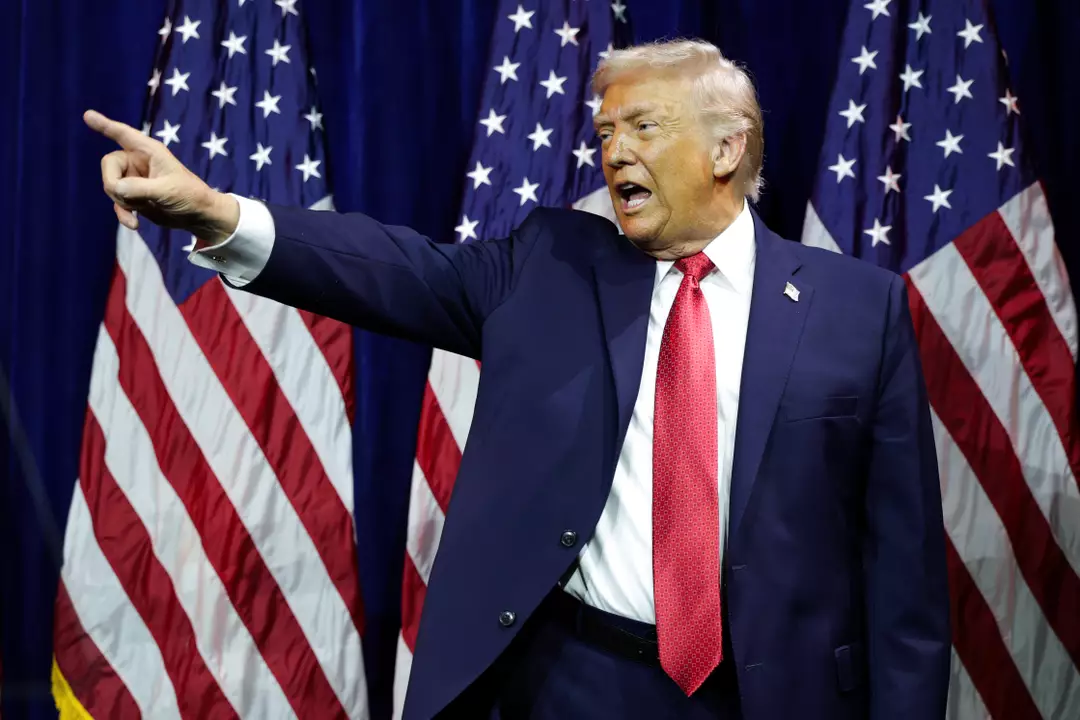
Denaturalization can occur under two main conditions: if an individual deliberately deceived immigration authorities during their application or if their naturalization was achieved illegally.
For instance, if it is revealed that an applicant committed crimes in their country of origin, they might not meet the ‘good moral character’ criterion.
These situations generally involve either intentional deception by the applicant or an oversight by the government in recognizing ineligibility.
In an interview with the New York Times, Trump expressed intentions to specifically target individuals from Somalia, stating, “I think that many of the people that came in from Somalia, they hate our country.”
However, his approach would not be limited to this group, as he added: “If they deserve to be stripped, I would, yes.”
Trump’s advocacy for denaturalization has been criticized by figures such as Senator Ed Markey of Massachusetts, who described it as ‘xenophobia disguised as policy’.