

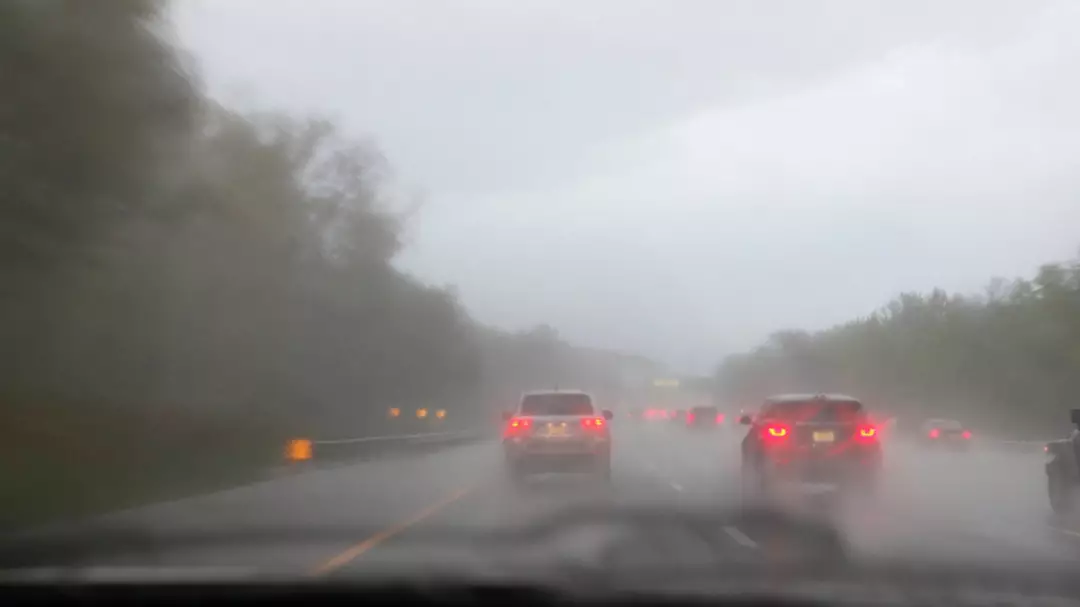
Several regions in the US are expected to experience more severe weather conditions this week.
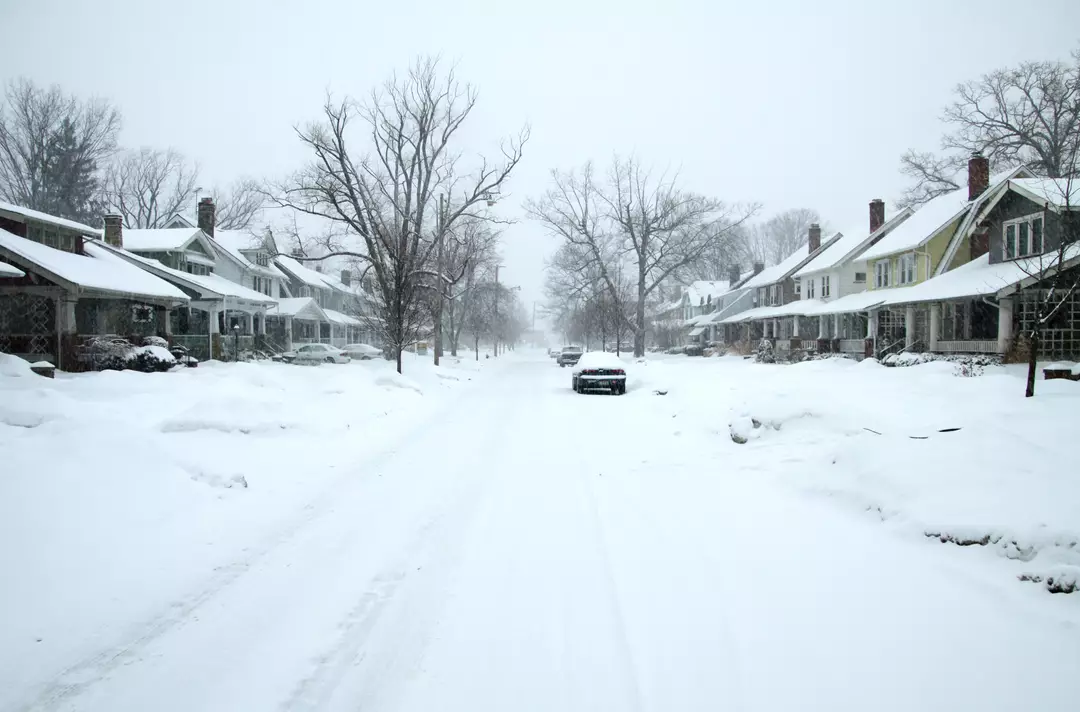
Over the weekend, Storm Fern resulted in heavy snowfall across 34 states, leading to widespread power outages affecting millions and numerous fatalities.
According to the Weather Channel, Boston experienced a significant snowfall of 16.7 inches on Sunday (January 25), while the Sierra Blanca mountains in New Mexico recorded over 31 inches of snow.
Although temperatures are now rising above freezing, and the dangerous ice is beginning to melt, the unusual weather conditions are not expected to stabilize soon.
A warning about freezing fog has been issued, affecting North Texas and parts of Louisiana.
This advisory is in effect until midday today (January 28), but what does it entail?
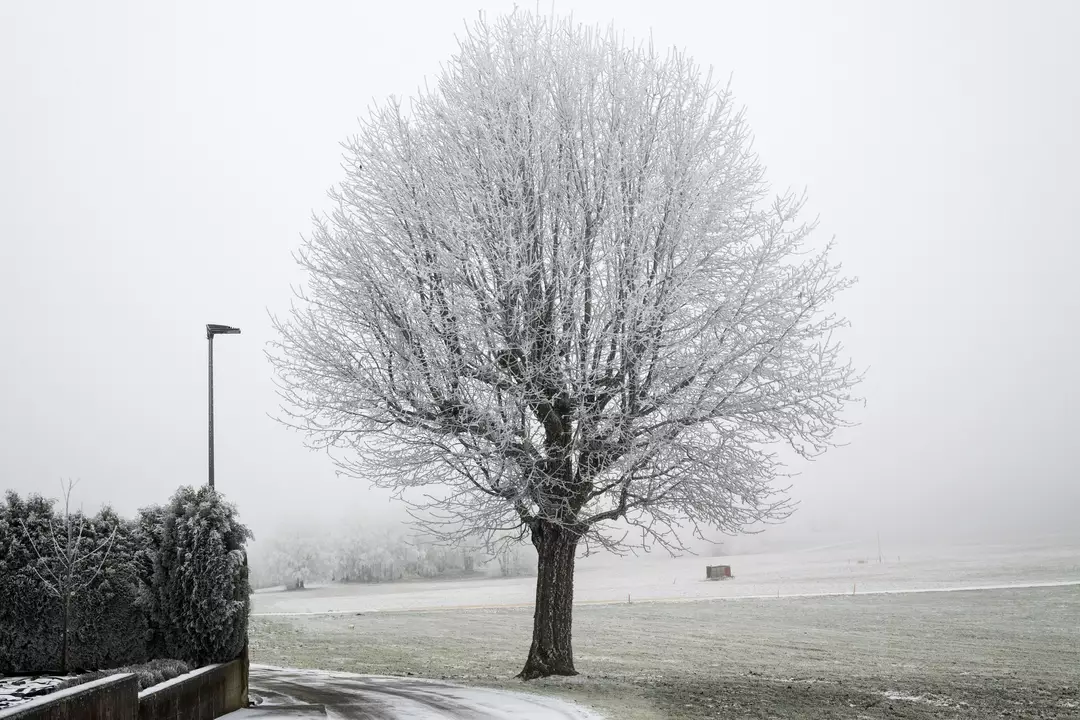
The National Weather Service defines freezing fog as occurring when tiny, supercooled liquid droplets in fog freeze immediately upon contact with surfaces when temperatures are at or below freezing.
This effect is often visible on tree branches, and while it may appear picturesque, it poses significant dangers, especially as it can affect roads, sidewalks, and vehicles.
Freezing fog can also result in black ice, a nearly invisible thin layer on roads.
“Extreme caution should be taken if travel is necessary,” the Weather Service advises. “Drive more slowly when you suspect icy conditions.”
Additionally, freezing fog can have severe implications for aviation, making flying highly dangerous.
The weather alert for North Texas, effective from 3am to 11am, includes a warning from the Service: “Slick road conditions are possible on untreated bridges and overpasses and other untreated surfaces where visibility falls below three miles.”
With milder temperatures yesterday, North Texas and Louisiana experienced winds from the south, bringing additional moisture, which increased humidity levels and dew points.
As winds calmed overnight and temperatures dropped below freezing again, the moisture condensed and froze, resulting in freezing fog.
According to CBS, this freezing has contributed to the formation of dangerous black ice on roads.
Today’s rising temperatures should help melt some of the fog and black ice.
Even though the forecast indicates milder daytime conditions this week, morning temperatures will remain cold, so be cautious of black ice!
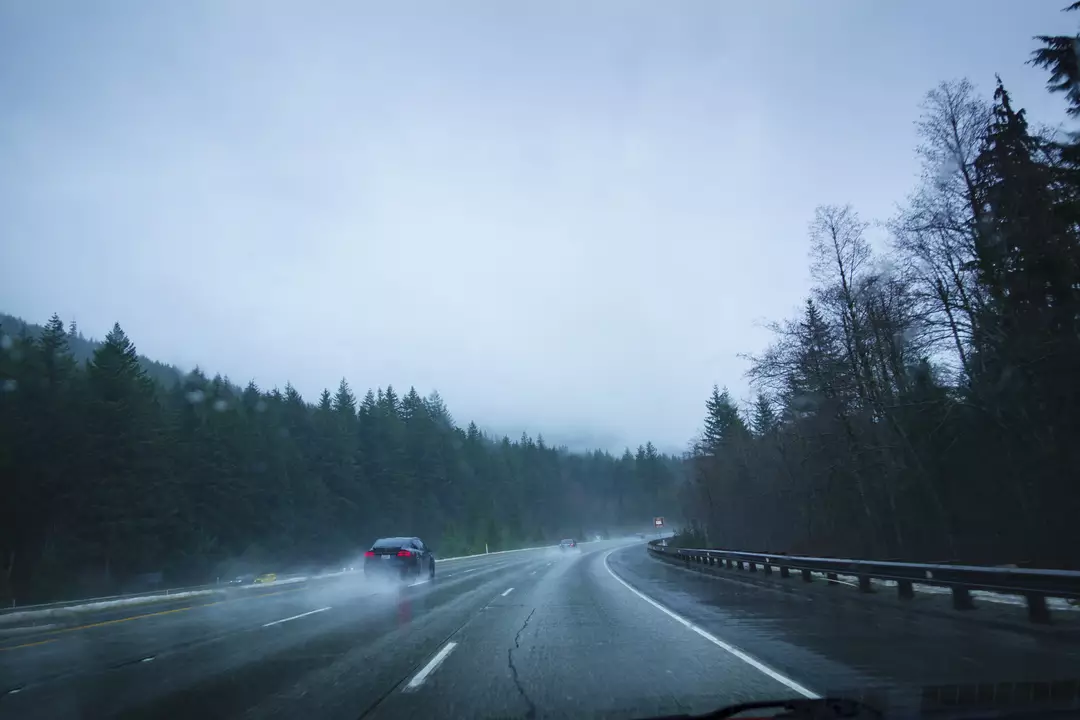
It’s advisable to avoid driving in freezing fog for your safety and the safety of others.
If you must drive before lunchtime, make sure to follow these precautions.
The Weather Service recommends: “Slow down, use your low beam headlights, and leave plenty of distance between you and others.”