


New customs regulations in the United States now allow officials to collect DNA from tourists under certain circumstances. These stringent biometric data collection rules were put into action on December 26, following their initial announcement in November.
Non-citizens arriving or departing from the US will undergo facial recognition scans at airports to ensure their identities match existing records. This information might be stored for up to 75 years in the agency’s biometric identity management system. Additionally, Department of Homeland Security officials might request further biometric data, including fingerprints or DNA samples.
US citizens are not mandated to participate in this program. However, they have the option to voluntarily engage in it when traveling internationally.
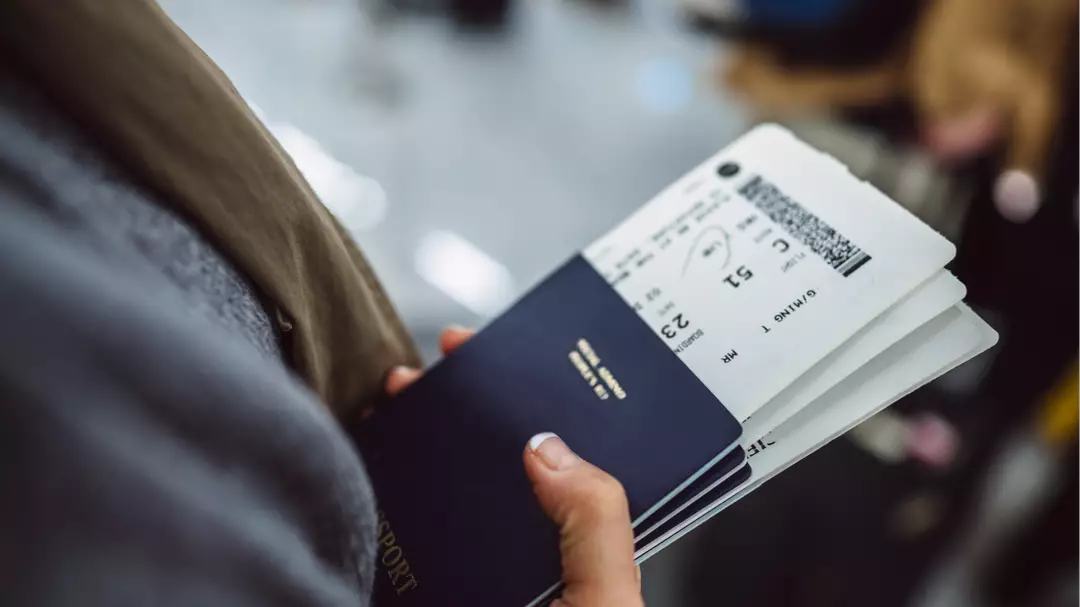
Photos taken of US citizens will be erased after 12 hours.
To opt-out, individuals must notify a CBP officer or airline representative and will instead undergo a manual passport examination.
The US government states these enhanced security protocols aim to ‘deter the filing of frivolous claims and provide operational consistency’ at borders.
Moreover, the removal of age restrictions means that all non-citizens, regardless of age, must comply with these biometric requirements. Previously, individuals under 14 and over 79 were exempt from these measures.
The revised rules now allow officials broader authority to request biometric data from travelers, as part of efforts to strengthen border security.
Visitors planning to stay in the US for over 29 days are also required to pay a $30 (£22) fee. Refusal to comply with fingerprinting or payment can result in a $5,000 (£3,700) fine.
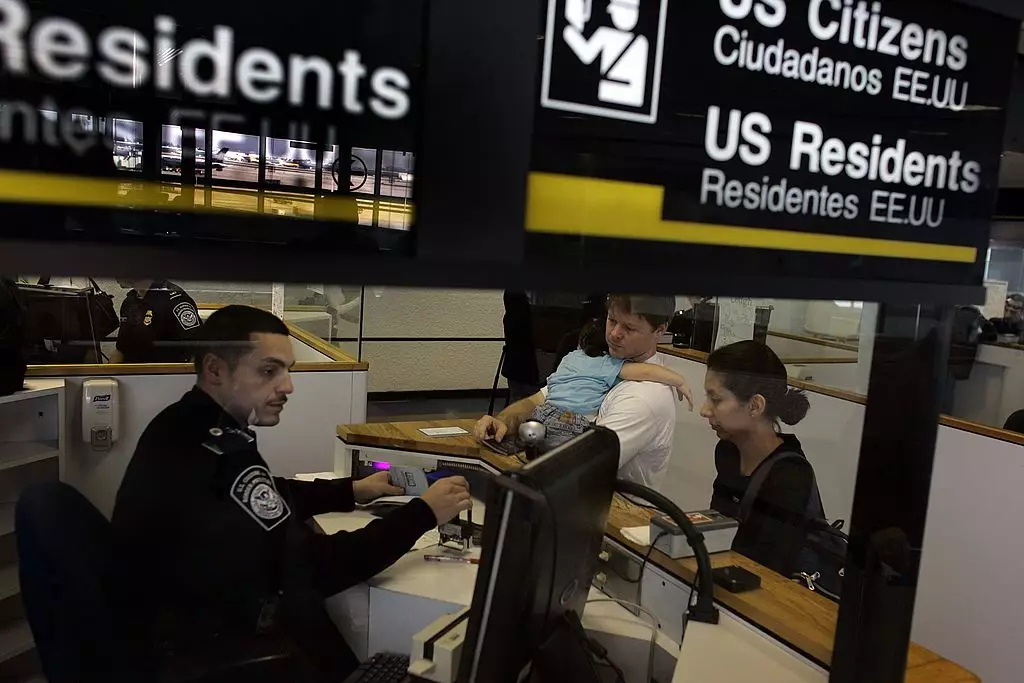
Since 2004, the US has been collecting biometric data from non-citizens entering the country, and the new law continues the practice of collecting fingerprints from incoming travelers.
These measures have been introduced ahead of a busy travel period in the US, which typically sees a significant increase in visitors during the winter months.
With the end of December historically being a particularly hectic time for travel, millions of people are expected to visit the US in the coming weeks.