

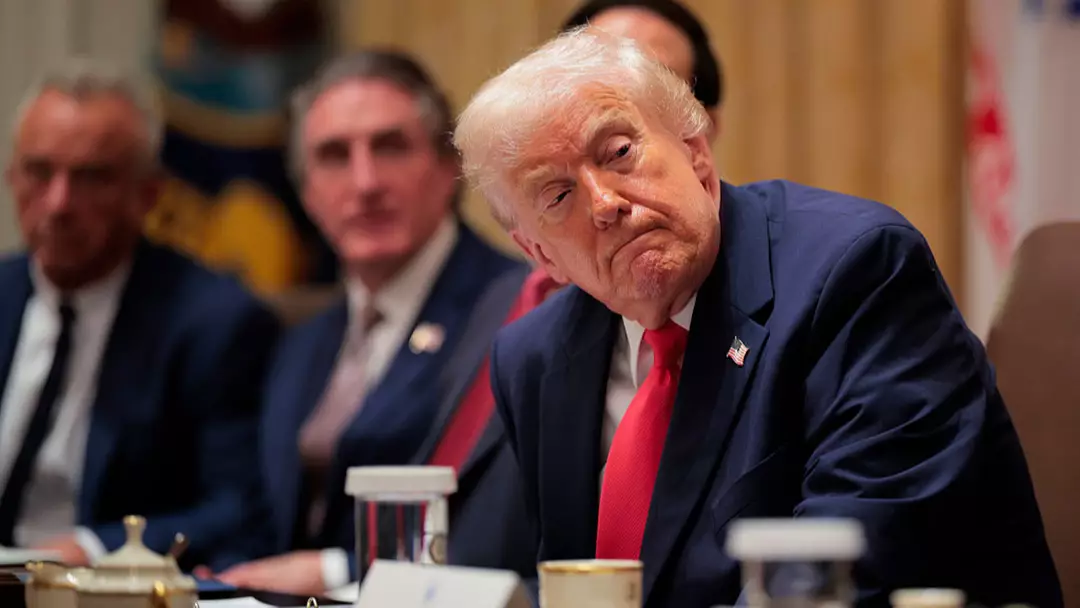
House representatives have approved a landmark defence bill that will provide greater transparency regarding US military actions in the Caribbean.
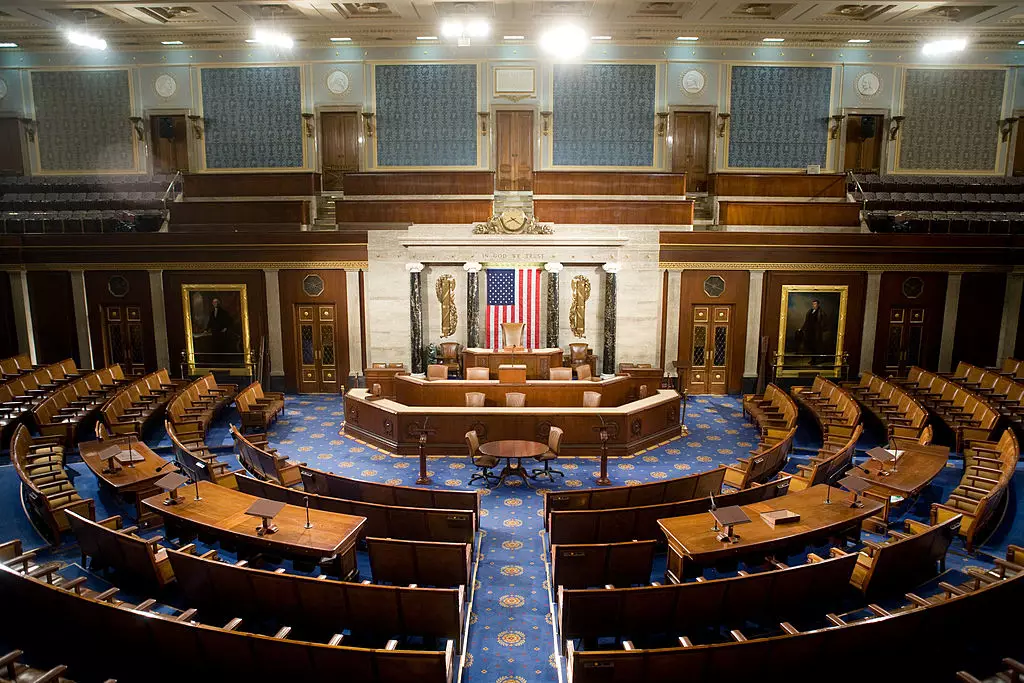
A total of 312 lawmakers supported The National Defense Authorization Act (NDAA), while 112 voted against it.
The Trump administration is set to allocate a record $901 billion for military expenditures in the 2026 fiscal year, exceeding Trump’s initial proposal by $8 billion.
The extensive 3,086-page bill removes approximately $1.6 billion in funding for initiatives related to diversity, equity, inclusion, and climate change—areas opposed by Trump.
So, where will this substantial budget be directed?
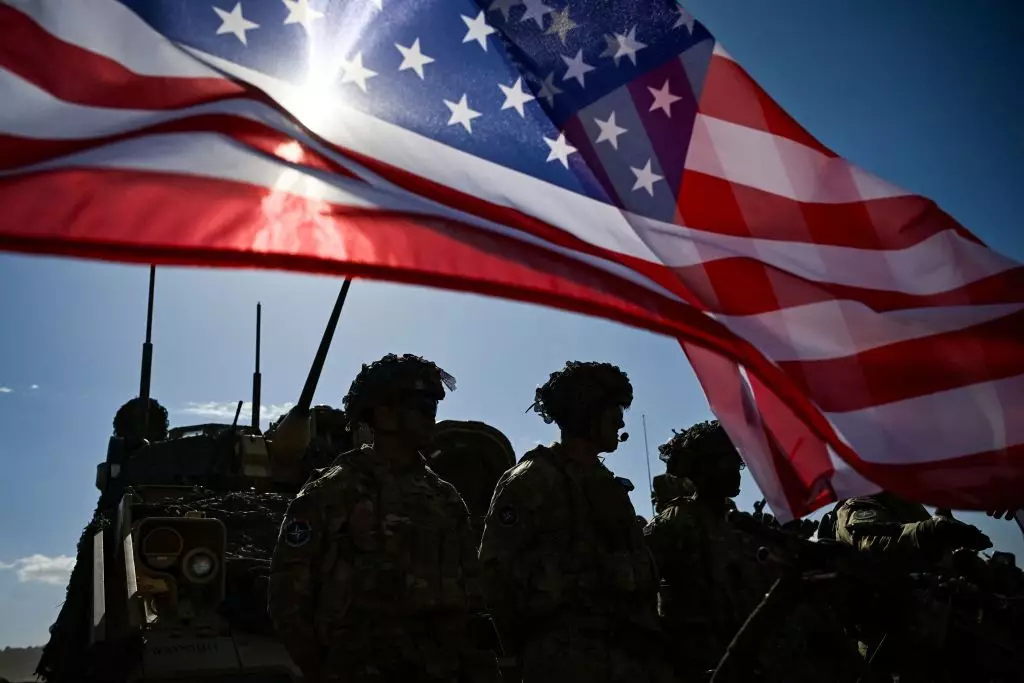
Trump aims to bolster US military capabilities against global adversaries, particularly China and Russia, while also enhancing troop welfare with a nearly 4 percent pay increase and improved base housing.
Mike Rogers, chair of the House Armed Services Committee, stated: “We need a ready, capable and lethal fighting force because the threats to our nation, especially those from China, are more complex and challenging than at any point in the last 40 years.”
The legislation also allocates $400 million to support Ukraine in its defense against Russia over the next two years.
The Pentagon is required to maintain a minimum of 76,000 troops in Europe unless otherwise agreed upon by NATO allies.
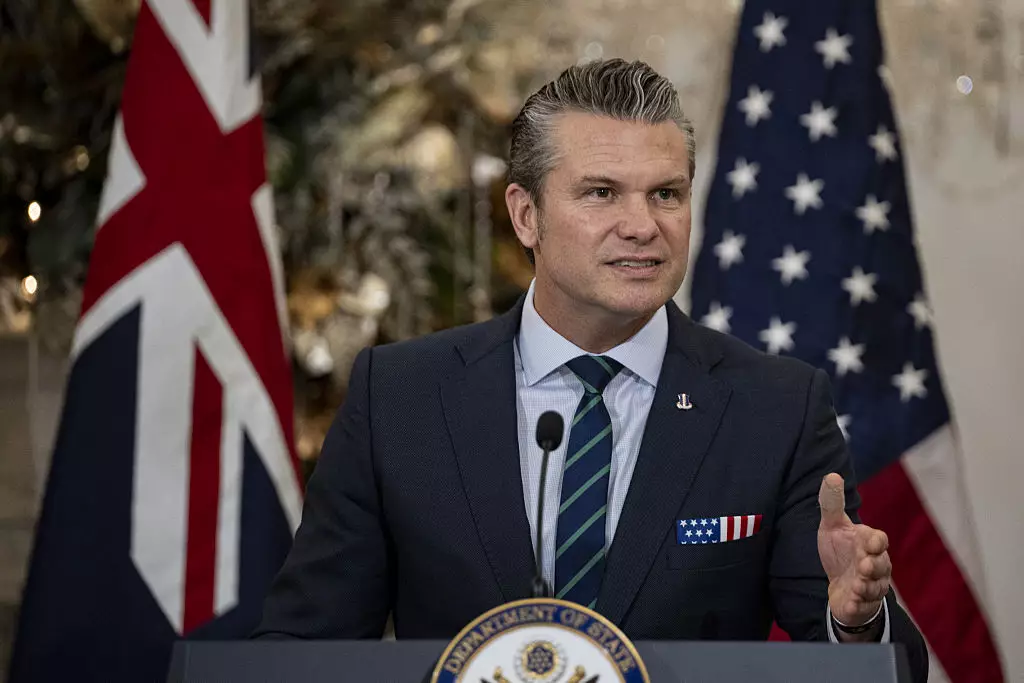
This new bill also places additional demands on the Department of Defense to disclose more information about deadly US operations targeting alleged drug-smuggling vessels in the Caribbean and Eastern Pacific.
Congress has warned that it will withhold 25 percent of Defense Secretary Pete Hegseth’s travel budget unless unedited footage and documentation of the strikes and their orders are provided, according to Al Jazeera.
From September through December, at least 86 individuals have been killed in 22 US strikes since early September.
The Trump administration has claimed these strikes are aimed at disrupting maritime drug trafficking from Latin America to the US.
The targeted vessels were purportedly operated by ‘narcoterrorist groups,’ including Venezuela’s Tren de Aragua and Colombia’s National Liberation Army.
No public evidence has been presented to substantiate these allegations.
Trump continues to assert that these are anti-narcotics missions, yet legal experts widely consider them to be in violation of the law.
The Senate has twice dismissed resolutions that sought to limit Trump’s authority to persist with the strikes or broader military actions against Venezuela.
Following the approval by the House of Representatives, the bill will advance to the Senate, where it is expected to pass, before the legislative session concludes on December 18.
The NDAA will then proceed to the White House for Trump’s signature, making it official law.