

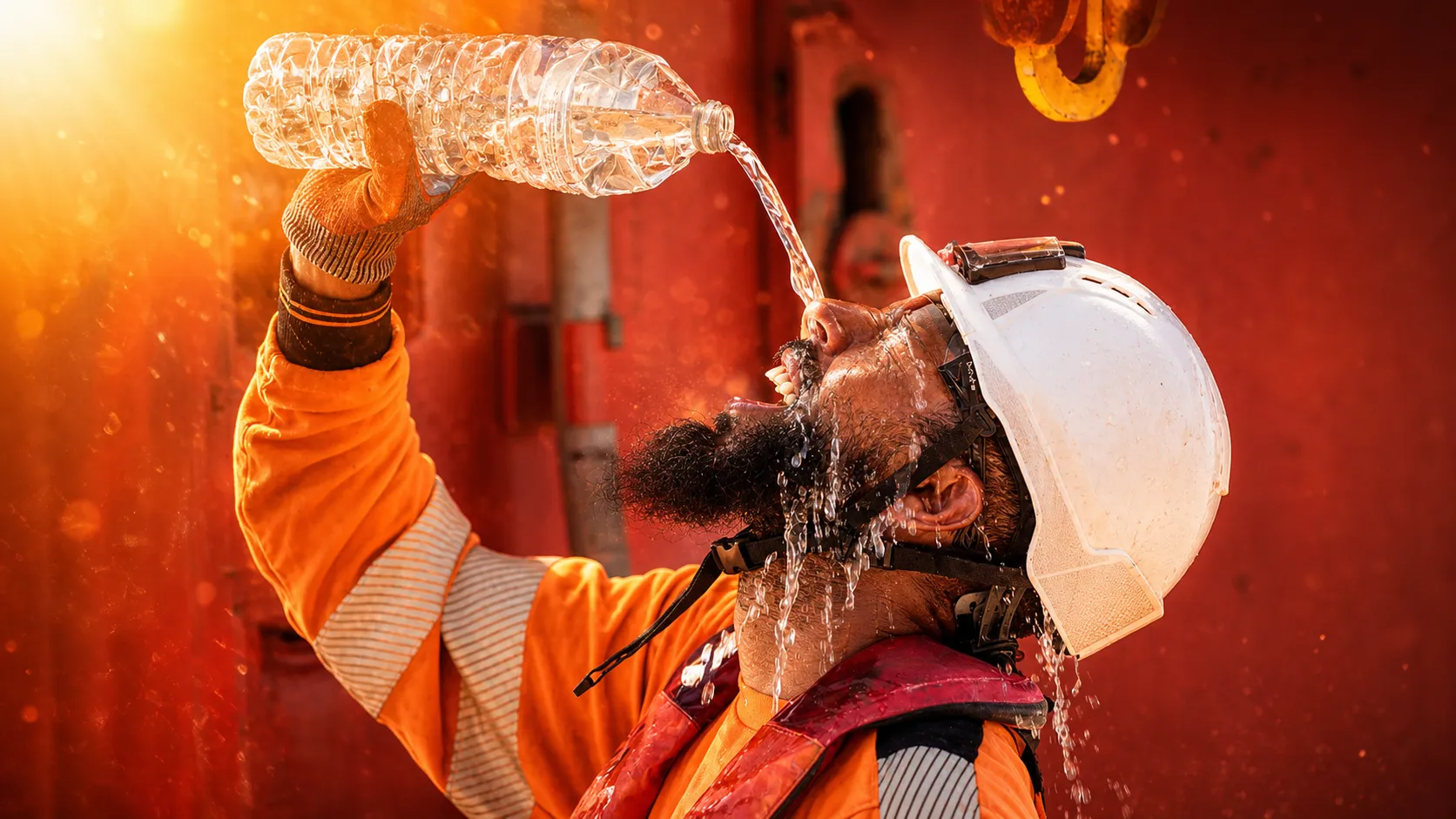
Americans across a huge stretch of the country are being told to prepare for a “significant, dangerous” blast of heat as the Fourth of July weekend approaches, while safety experts are also cautioning that lakes, rivers and beaches may bring an overlooked threat for people trying to cool down.
National Weather Service forecasters say a prolonged and hazardous heat wave is expected to build across the central and eastern United States heading into the July 4 holiday weekend, with the danger stretching from the Plains to the Mid-Atlantic and Southeast. As of June 28, 2026, the National Weather Service says extreme heat is likely to continue through the holiday weekend, with heat index values in many places reaching 100F to 105F and warm nights limiting overnight relief.
The Weather Prediction Center says much of the Central and Eastern US is likely to see temperatures far above average. Forecasters also say the heat could remain entrenched into the first part of July, with dangerous humidity making conditions feel even hotter than the thermometer suggests.
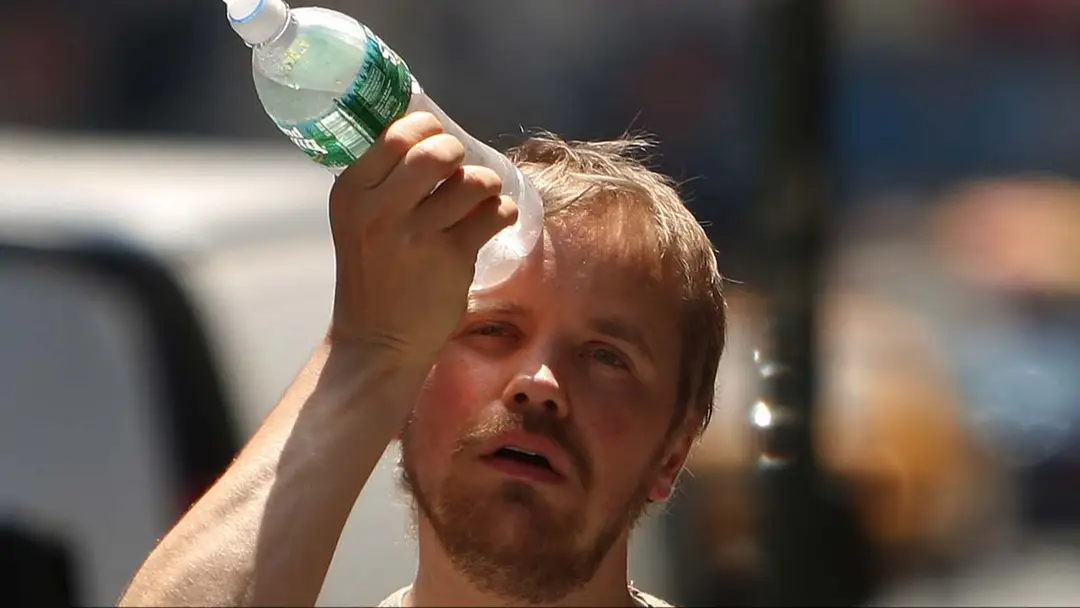
A federal heat risk outlook released by the National Weather Service’s Climate Prediction Center identifies the Mid-Atlantic, including Washington DC, as an area with a high likelihood of dangerous heat around the start of July. Current National Weather Service guidance also points to an Extreme Heat Watch for parts of the Washington and Baltimore region from July 1 through July 4, underscoring the seriousness of the impending heat.
Highs in Washington and surrounding areas may climb to around 95F, while the combination of heat and humidity could push heat index values beyond 105F. In some places, forecasters say, overnight lows may stay unusually warm, leaving little time for the body to recover after sunset.
Forecasters say temperature records may begin toppling as early as 30 June from the Ohio Valley into parts of the mid-Atlantic and Northeast. By 2 July, triple-digit readings are possible from the Carolinas up through the mid-Atlantic. Farther west, from the Dakotas eastward, temperatures are projected to sit in the upper 90s, with humidity making it feel far hotter.
Nighttime conditions are also expected to stay uncomfortably hot, offering little chance for people to recover after sunset.
Forecasters warn that many places could challenge records for warm overnight lows, with some locations failing to cool much below the 70s or even the low 80s. That kind of persistent nighttime heat can sharply increase the danger of heat-related illness, especially among older adults and people without access to air conditioning.
As crowds look to beaches, rivers and lakes for relief, specialists are reminding people that open water can be dangerous even during the hottest weather.
Mike Tipton, a physiology professor at the University of Portsmouth and a leading expert on cold water survival, has said cold water shock can happen in any water below 59F. He has described that response as one of the greatest stresses the human body can experience.
When a person suddenly enters cold water, the body can react instantly with an involuntary gasp, rapid breathing and a spike in heart rate. CDC guidance on cold-water immersion says the first minute can bring cold shock, including gasping and hyperventilation, followed by a period of cold incapacitation in which swimming and self-rescue become much harder.
The danger is not confined to the sea or large lakes. Rivers and quarries can also be especially hazardous because of fast-moving currents, murky water and poor visibility, all of which can turn a short swim into a life-threatening situation very quickly. Natural bodies of water can also bring additional hazards beyond temperature, according to the CDC.
Extreme heat itself also carries major health risks, with heat exhaustion and heat stroke among the most serious.
Common signs of heat exhaustion include heavy sweating, dizziness, nausea and a rapid but weak pulse. Heat stroke is far more severe and is considered a medical emergency, with body temperature rising above 103F and symptoms such as confusion, slurred speech and unconsciousness.
Officials are advising people spending time outside over the holiday period to avoid strenuous activity during the hottest part of the day, drink plenty of water, check in on elderly or otherwise vulnerable relatives and neighbours, and make sure to inspect the back seat before leaving any vehicle. The National Weather Service also stresses that the effects of heat are cumulative, so repeated exposure over several days can be especially dangerous.
For anyone entering open water, experts recommend taking extra care, using a life jacket where appropriate, and remembering that getting into cold water too quickly can be hazardous even for strong swimmers.