

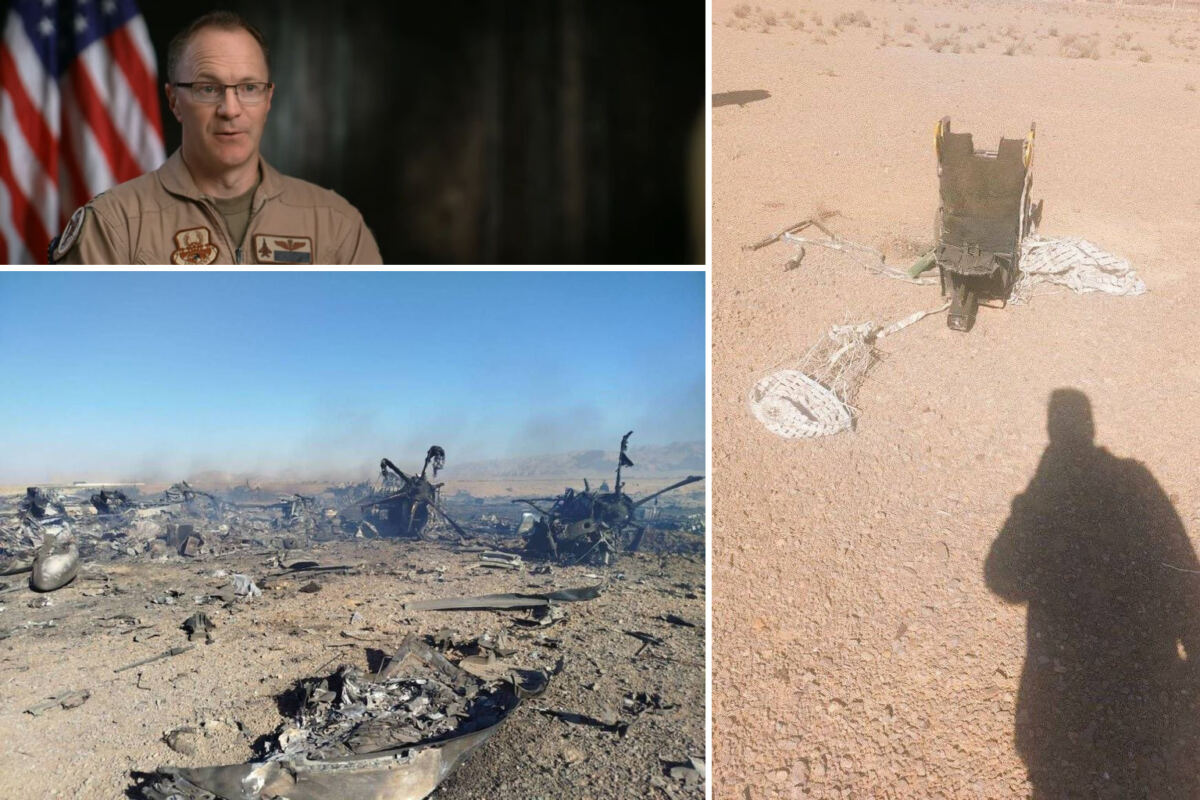
The US Air Force colonel pulled from Iran in April said viewers that his damaged parachute failing to open properly was the most terrifying moment of nearly two days behind enemy lines.
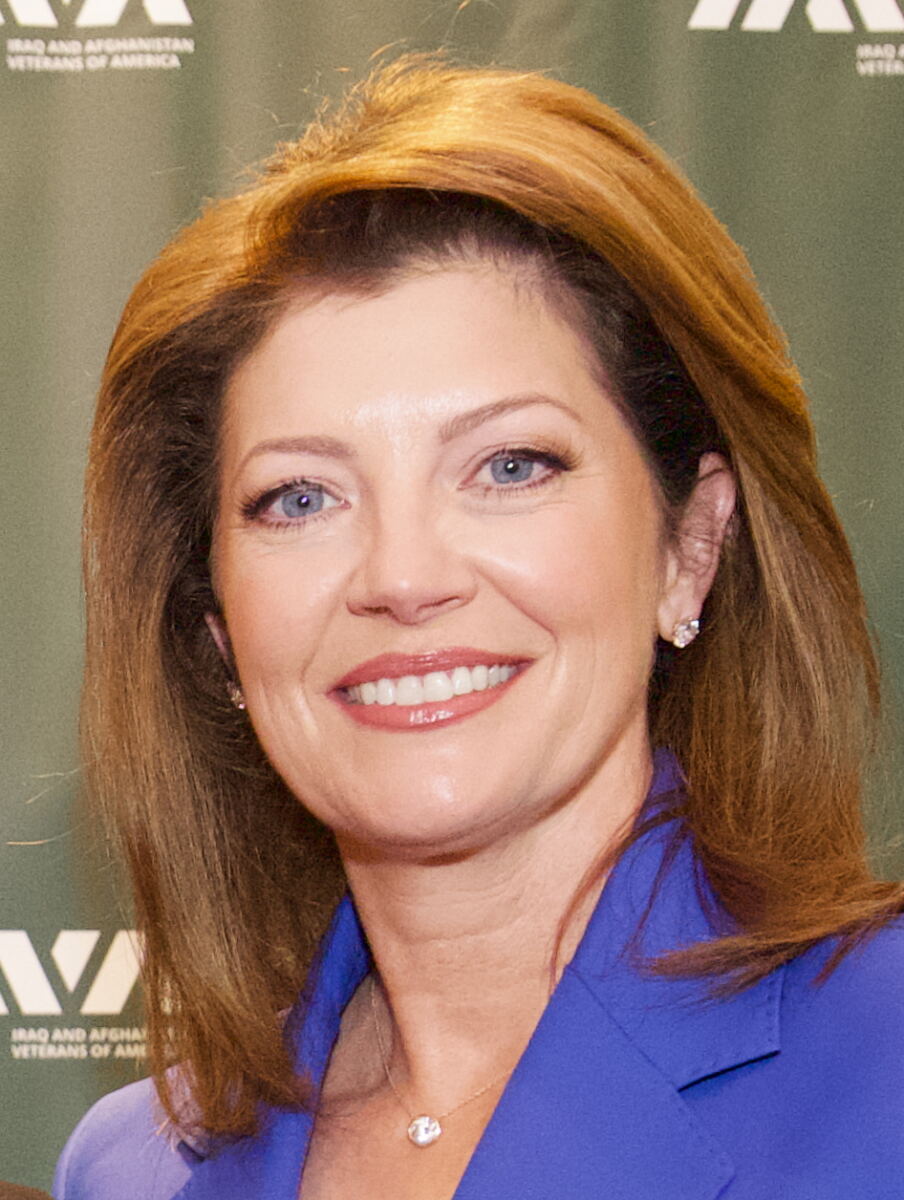
Bravo, 44, the weapons systems officer who goes only by his mission call sign Dude 44 Bravo, broke his silence in a “60 Minutes” interview with Norah O’Donnell that aired Sunday as the newsmagazine opened its 59th season. The officer spoke publicly for the first time about the harrowing experience that began when his F-15E Strike Eagle was shot down over southwestern Iran.
“My parachute was damaged in the initial attack. At one point, when I looked up and saw no parachute, that was the most was the most terrifying thing I’ve ever seen,” Bravo told O’Donnell.
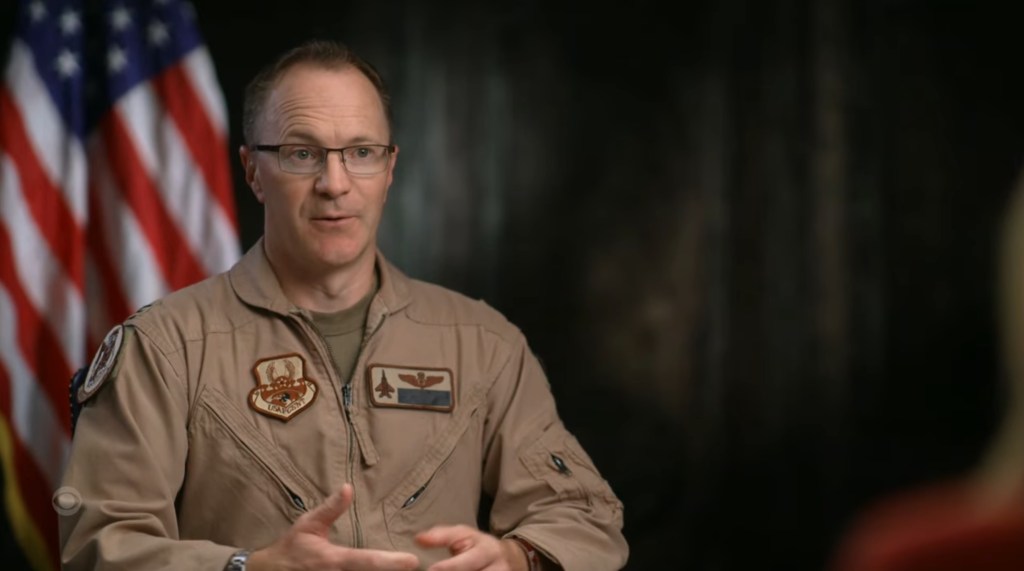
The colonel estimated his descent speed at somewhere between 70 and 100 miles per hour after his pilot, Alpha, initiated the ejection sequence from the $30 million jet. Bravo said his focus during the free-fall shifted entirely to survival mechanics rather than panic over the velocity.
“I wasn’t focused on the speed at which I was falling. I was instead focused on trying to correct the problems that were in front of me. And doing anything I could to unfurl or pull pieces of the parachute loose,” he said.
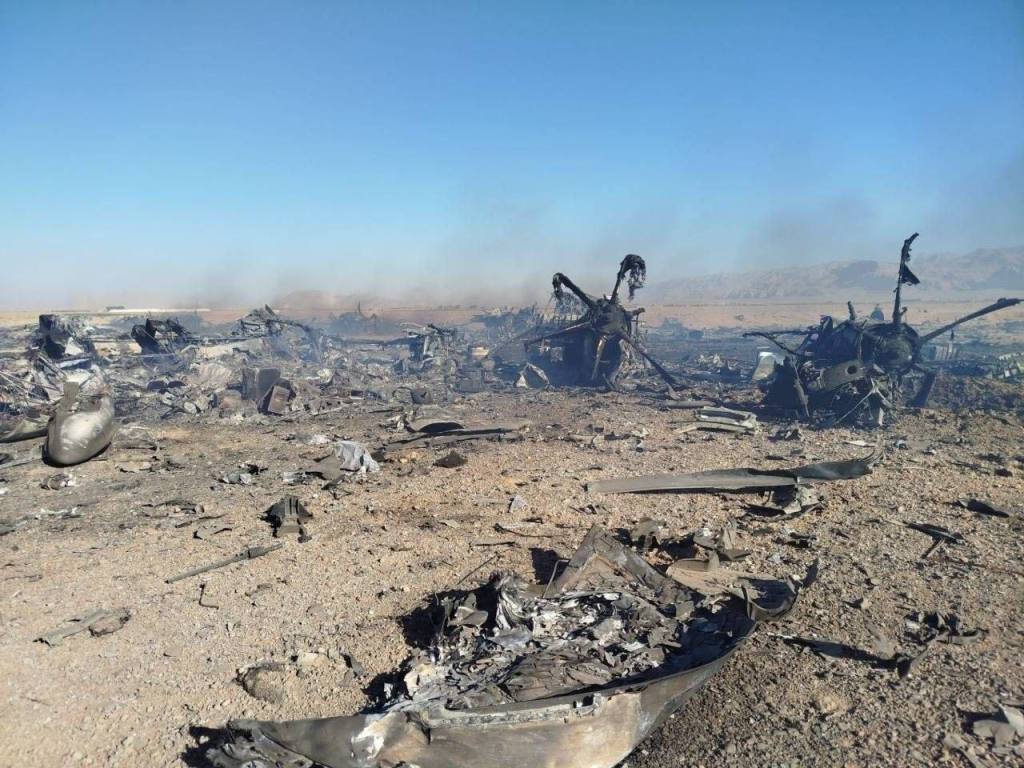
Bravo credited Alpha with decisive action that preserved both their lives when the aircraft came under fire from a shoulder-fired missile launched by an Iranian combatant. The strike sent the twin-seat fighter crashing into Kohgiluyeh and Boyer-Ahmad province, a rugged zone in southwestern Iran near the Iraqi frontier.
“I will be thankful to my dying day for my pilot and crewmate Alpha for saving our lives and ejecting us,” Bravo shared.
The weapons officer’s ordeal did not end with the landing. Badly wounded from the engagement and subsequent impact, Bravo faced the immediate challenge of evading capture in hostile territory. He climbed approximately 7,000 feet up an Iranian ridgeline to conceal himself from potential search parties, a physical feat accomplished while carrying injuries from the shootdown.
The rescue that extracted Bravo and Alpha from Iranian soil came in April after what the colonel described as nearly two full days of isolation and exposure behind enemy lines. The operation marked a rare documented instance of US military personnel recovery from deep inside Iranian territory during a period of heightened regional tensions.
The “60 Minutes” broadcast represented Bravo’s first public account of an incident that had previously been known only through sparse military and diplomatic reporting. His detailed description of the parachute malfunction added a visceral human dimension to what had been an abstract operational headline months earlier.
The F-15E Strike Eagle, a dual-role fighter designed for both air-to-air and air-to-ground missions, carries a crew of two seated in tandem configuration. The weapons systems officer in the rear cockpit manages radar, targeting systems and munitions while the pilot handles flight controls. This division of responsibilities made Alpha’s instantaneous decision to eject critical for both crew members’ survival.
Bravo’s testimony on the season premiere offered viewers a granular look at the split-second calculus of combat aviation emergencies and the psychological demands of subsequent evasion. The colonel’s matter-of-fact recounting of attempting to manually manipulate a compromised parachute while plummeting earthward underscored the compressed timeframes that define such crises.
The interview with O’Donnell formed the centerpiece of the program’s return for its 59th season on the network.