

The United States and Iran have escalated past multiple agreed-upon red lines, plunging the two countries into renewed all-out warfare just weeks after signing a preliminary peace agreement. What began as isolated incidents in late June has spiraled into the most intense fighting since their initial conflict in February, with both nations expanding targets, widening geographic scope, and showing few signs of de-escalation.
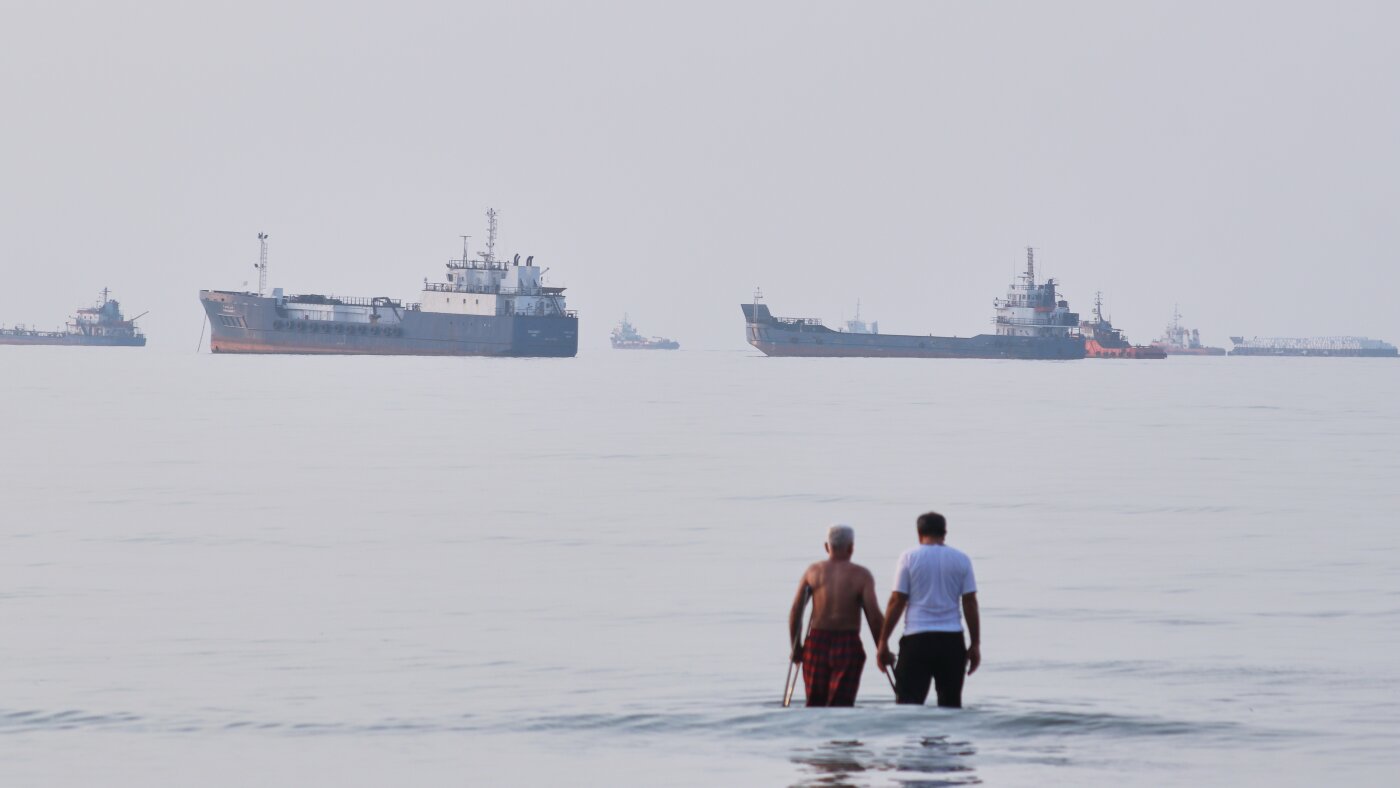
The unraveling started when an Iranian drone attacked a cargo ship in the Strait of Hormuz on June 25, just one week after the United States and Iran signed a 14-point memorandum of understanding on June 17 that was supposed to end the war. The interim agreement had reopened the critical waterway to commercial shipping, lifted the U.S. Naval blockade on Iranian ports, and promised Iran economic relief including a broad waiver on oil sanctions. For a brief moment, hopes seemed genuine that months of fighting could give way to lasting peace.
Instead, the June 25 attack triggered a chain reaction. The U.S. Responded with strikes on Iranian missile and drone locations and coastal radar sites. Iran struck back at a tanker using an alternative shipping route that the U.S. Military had established outside Tehran’s control, then broadened its retaliation to attack U.S.-aligned Gulf states, striking Kuwait and Bahrain. Both sides pulled back for a week, sending delegations to Qatar to restart talks.
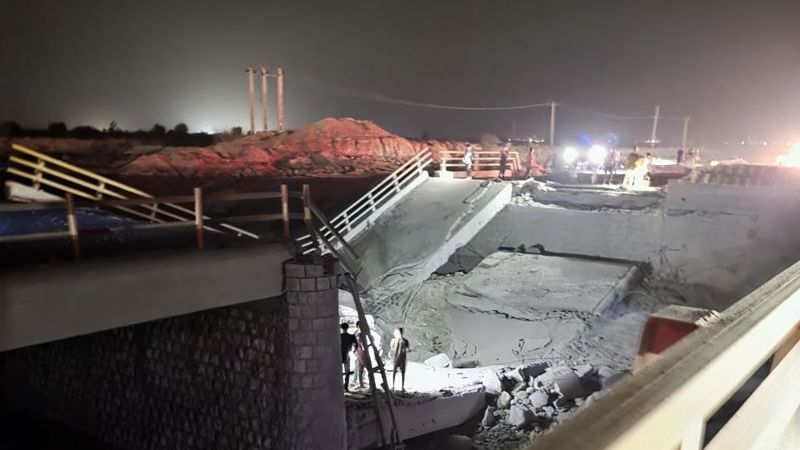
The ceasefire collapsed entirely in early July. By July 8, President Trump announced the agreement was “over,” calling Iranian leaders “scum” and “sick people.” That night, the U.S. Launched 90 strikes in expanded geographic scope, hitting not only coastal targets but northern Iran as well. The targets shifted beyond purely military installations to include civilian infrastructure—bridges, power stations, and other critical facilities that had previously been considered off-limits red lines. Iran said the U.S. Strikes had killed at least 46 people and wounded more than 400 since renewed hostilities began.
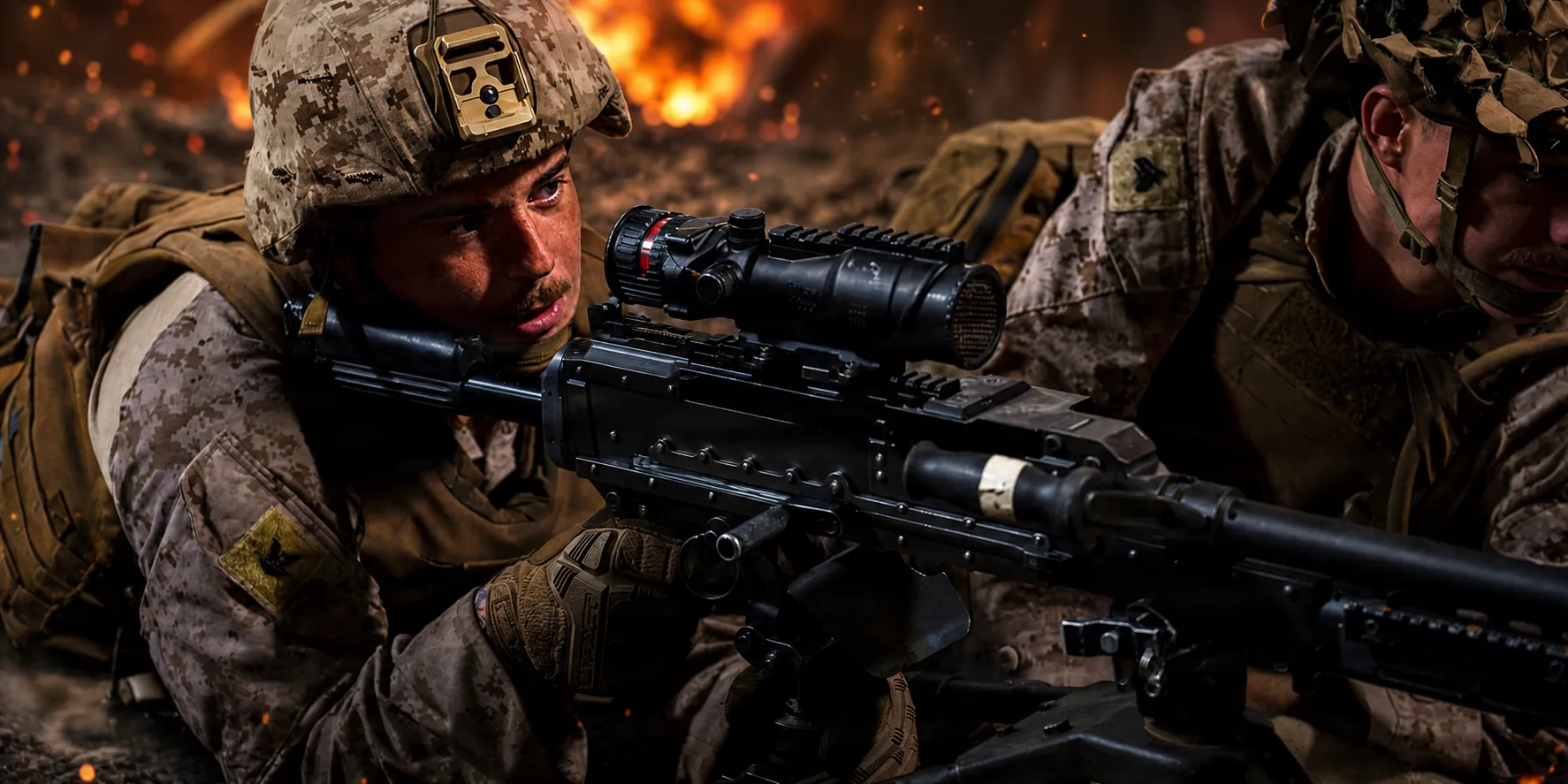
The following week saw an unprecedented escalation. The U.S. Completed seven consecutive nights of airstrikes, with eight nights by July 18. Iran responded with waves of ballistic missiles and drones targeting not only military bases but also U.S. Allies across the region. Bahrain, Qatar, Kuwait, Oman, and Jordan all came under attack. Most dramatically, an Iranian assault on a base in Jordan on Friday killed two American service members and left another missing in action. These were the first U.S. Deaths since March, and they constituted a red line that had previously constrained both sides.
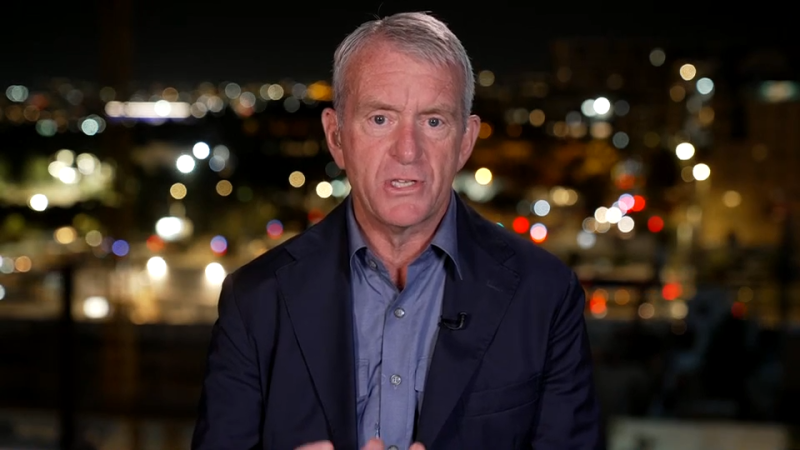
In response, the U.S. Launched new airstrikes on Saturday described as designed to “swiftly punish” Iran for the killings. An Iranian military official warned of a “full-scale offensive” if attacks continued into the weekend. Iran’s supreme leader, Mojtaba Khamenei—who assumed power after his father, Ali Khamenei, was assassinated in the opening U.S.-Israeli strikes in February—declared that Trump’s signature on the peace agreement was “worthless and invalid.”
At the heart of the renewed conflict lies a fundamental disagreement over the Strait of Hormuz, which carries one-fifth of the world’s traded oil and gas in peacetime. Iran insists it has the right to control the waterway and exert authority over all vessel movements, potentially charging fees for passage. The U.S. Maintains the strait should remain open to all shipping toll-free, with vessels able to use alternative routes outside Iranian control. Iran views this American position as an attempt to erode its leverage over its most valuable strategic asset.
The agreement’s language on the strait proved ambiguous enough for both sides to claim victory while pursuing opposing objectives. Iran interpreted the phrase “make arrangements using its best efforts for the safe passage of commercial vessels, with no charge for 60 days only” as preserving its right to eventual control and fees. The U.S. Read the same language as permitting unrestricted access. When commercial shipping began using routes that sidestepped Iranian coordination, Tehran saw it as a violation of the deal’s spirit.
The scope and ferocity of the latest fighting exceeds the contained tit-for-tat pattern that had defined earlier flare-ups. This week’s second round of “offensive” strikes from the U.S., combined with Iranian retaliation targeting Jordan, marked a qualitative shift. Analysts warn that the two sides are now locked in an escalation spiral, with neither willing to back down, raising the specter of an uncontrolled descent into the broader regional war that both ostensibly sought to avoid.
The economic consequences are already mounting. Brent crude oil surged nearly 10 percent on a single day to over $83 per barrel, its highest level since mid-June. Refined fuel prices have jumped, and U.S. Gasoline pump prices are approaching $4 per gallon. Global shipping has virtually halted through the strategic chokepoint, with only six vessels transiting the strait in a single 24-hour period, versus dozens before the latest fighting erupted.
The State Department has issued a worldwide caution for Americans, particularly in the Middle East, warning of heightened tensions and the potential for unforeseen escalation. U.S. Diplomatic facilities outside the Middle East have reportedly been targeted, and the agency warned that groups supportive of Iran may target U.S. Interests globally.
Senior officials within Iran’s hardline factions have opposed the peace agreement, viewing negotiators as traitors willing to surrender the nation’s leverage. At the funeral of the former supreme leader last month, crowds called for revenge against Trump. Iran’s diplomatic corps faced public hostility, with one senior negotiator forced to flee after a mob hurled rocks, accusing him of being a “traitorous sellout.”
With U.S. Service member deaths now exceeding 16 since the war began in February, pressure has mounted on the Trump administration to demonstrate strength. Yet military analysts and regional experts increasingly warn that the current trajectory offers no military solution to reopening the strait. They suggest that while escalation may continue in the near term, economic pressures and the lack of a clear path to victory may eventually push both sides back to the negotiating table—though the trust that underpinned the June agreement now lies in ruins.