


The U.S. Interior Department on Friday canceled a rule that automatically protected plants and animals designated as threatened with extinction, marking the latest move by President Donald Trump’s administration to dismantle key protections under the landmark Endangered Species Act.
Under the canceled protections, imperiled species will now require individualized protection plans after being added to the threatened species list. This is a potentially lengthy process during which companies can seek exemptions for oil and gas drilling, mining, and other development in areas where species live.
The blanket protection rule, first adopted for wildlife in 1975 and for plants in 1977, automatically extended most of the same safeguards to threatened species that endangered species receive. This included a federal ban on “take”—any action that harasses, harms, injures, kills, or captures a listed animal. The canceled provision had provided consistent protection for decades across hundreds of species.
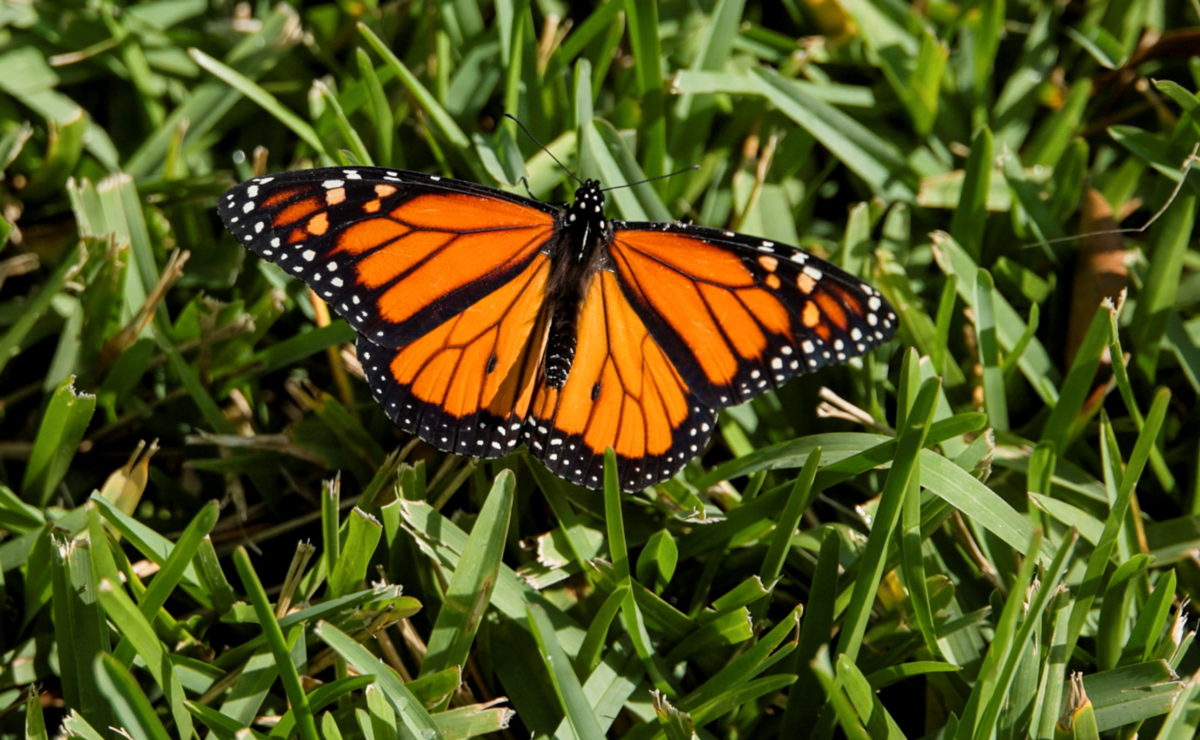
About 30 species currently in line for threatened status will be affected by this change, including monarch butterflies, alligator snapping turtles, California spotted owls, wolverines, and Florida panthers. Under the new rules taking effect Friday, none of these species will automatically receive baseline protections upon listing. Instead, the Fish and Wildlife Service must draft individualized protection plans for each—a process with no statutory deadline. During this period, development and extraction companies can request exemptions in those species’ habitats.
Environmental groups have warned the rule change will accelerate extinction risks for vulnerable wildlife. “These rules are a one-way ticket to extinction for our most imperiled animals and plants, from monarch butterflies to alligator snapping turtles,” said Noah Greenwald, endangered species co-director at the Center for Biological Diversity. “Trump is bending over backward for corporate polluters by ripping away the blanket that protects so many struggling wildlife species.”
Interior Secretary Doug Burgum defended the cancellation in a statement, saying the Endangered Species Act had been used for too long “to stop almost any new project in America, driving up costs for families, weakening our competitiveness, and undermining our national security.” Burgum added that “success should be measured by species recovery and delisting, not by adding more species to the list.”
The administration simultaneously finalized a second change requiring officials to analyze economic impacts when deciding whether habitat is critical to species survival. Previously, scientific factors alone governed those designations. Critics argue this economic test gives corporations leverage to argue against habitat protections on financial grounds, particularly where oil, gas, drilling, mining, or timber operations overlap with wildlife ranges.
“If you’re exempting certain industries that cause habitat destruction, in many instances you’ll be exempting the main threat to those species,” Greenwald said.
The rule cancellation stems from litigation brought by two conservative groups: the Rocky Mountain Elk Foundation and the Property and Environment Research Center, which sued the Biden administration in 2024 after it restored the blanket protections. These groups argued the rule unfairly imposed the same restrictions on landowners whether a species was endangered or threatened, which they claimed removed incentives for private land conservation efforts.
Jonathan Wood, vice president at the Montana-based research center, said the Trump administration’s approach allows officials to “better reward progress and encourage proactive conservation.”
The Endangered Species Act has historically been credited with bringing back iconic species from the brink of extinction, including bald eagles and American alligators. Burgum noted that 97 percent of species given protections still retain them, a point of frustration for Republican lawmakers who argue species should be removed from protection lists more quickly once they recover.
The timeline for species listings also reflects broader policy shifts. No species have been added to endangered or threatened lists during Trump’s second term. In his first term, more than 20 species were added; during the Biden administration, about 60 species received protections.
This week’s cancellation comes as part of a sweeping rollback of Endangered Species Act protections under the Trump administration. Last week, Interior officials sharply narrowed the definition of what constitutes “harm” to a species, allowing development on critical wildlife habitat as long as animals are not immediately killed or injured. Officials also reduced critical habitat designations for Canada lynx in the Rocky Mountains and announced plans to transfer more grizzly bear management authority to states.
In March, the administration exempted oil and gas drilling in the Gulf of Mexico from Endangered Species Act requirements, with Defense Secretary Pete Hegseth arguing that environmental restrictions threatened domestic energy supplies.
Environmental organizations have pledged legal challenges to these changes. Multiple conservation groups, including the Center for Biological Diversity, have already filed lawsuits contending that the narrowed definition of “harm” violates the Endangered Species Act. They argue that without protecting critical habitat, species cannot recover regardless of other protections.
The cancellation of automatic protections represents a fundamental shift in how federal agencies approach threatened species conservation. For over 50 years, the blanket protections had ensured that newly listed threatened species received immediate federal safeguards while individual recovery plans were developed—a process that could take years or longer given agency resource constraints. Removing this safety net creates what critics describe as a dangerous gap in protection for species already showing signs of decline.