

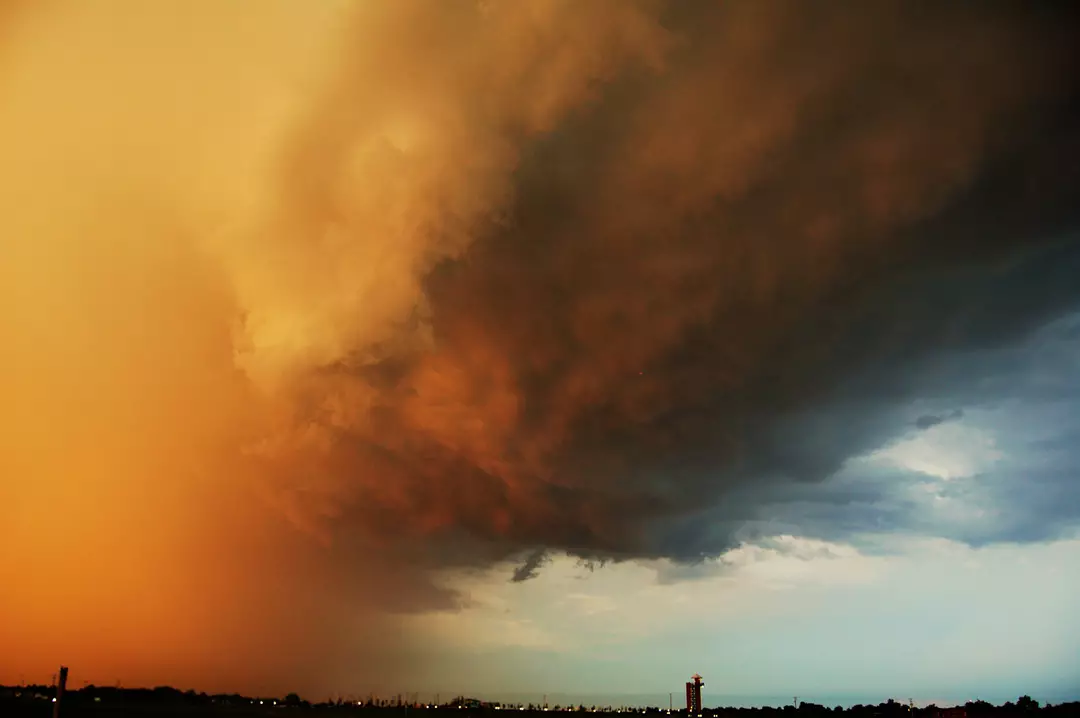
Deadly dust clouds have triggered a ‘danger to life’ warning for hundreds of thousands of people across three states in the Midwest, with residents urged to remain indoors until it is safe to go outside.
The alert comes after multiple dust storms swept through parts of the northern US over the last week, disrupting travel and sending thick plumes of fine particles into the air.
Health advisories tied to the storms have already impacted millions, and officials say the risk hasn’t eased. On Thursday, authorities expanded the response with an urgent wind and blowing dust advisory covering large areas across three Midwestern states.
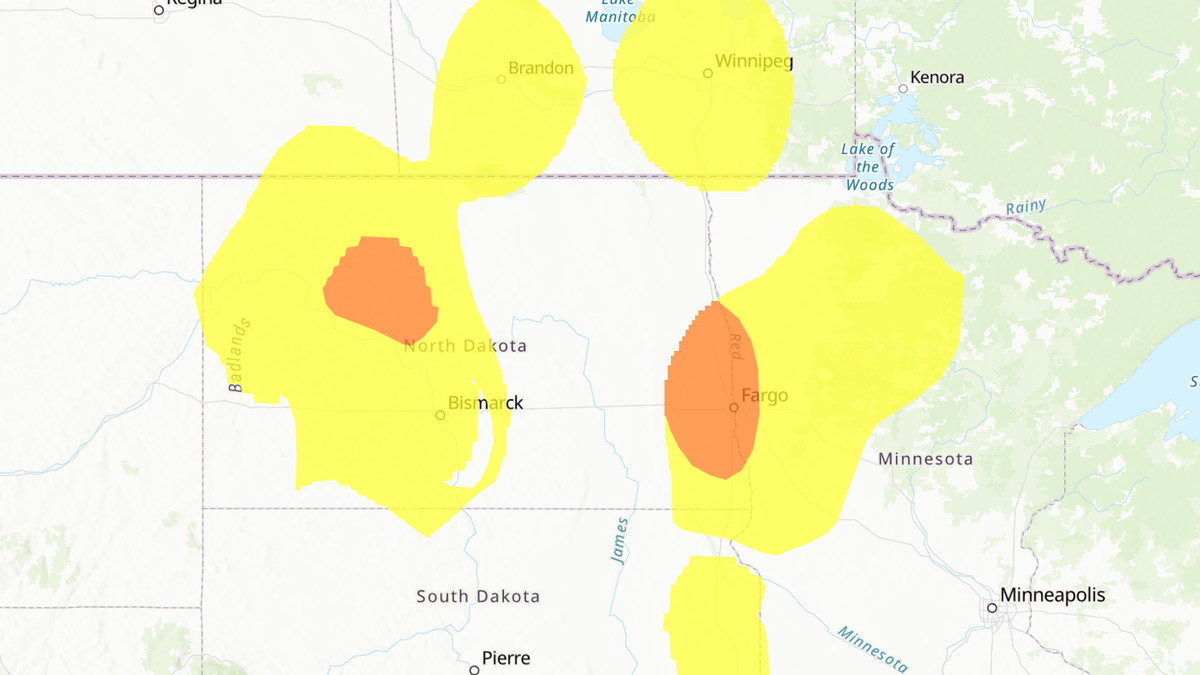
Parts of Minnesota, South Dakota, and North Dakota are still covered by the warning. The National Weather Service says the advisory is expected to remain in effect until sometime between 9pm and midnight tonight (Friday, May 15).
Roughly 300,000 people are currently within the affected areas as lingering airborne dust continues to drag air quality down.
According to the World Air Quality Index project, which monitors pollution levels worldwide, one area in Watertown, South Dakota, saw readings rise to the upper end of the “hazardous” category.
At that severity, EPA guidance recommends avoiding all outdoor physical activity. The concern is that the dust can include extremely small particles known as PM10s, which can lodge in the lungs and, in some cases, enter the bloodstream.
Officials say those most vulnerable include people with existing breathing conditions such as asthma, especially in places where air quality has dipped into “unhealthy” territory, including an affected pocket around Fargo, North Dakota.
The current conditions are linked to the back end of a low-pressure system that has contributed to crashes and road closures across the region this week. Meteorologists say dust storms are increasingly becoming a more frequent hazard in parts of the Midwest.
Massive dust storm kicked up by 70-80 mph wind gusts in a severe thunderstorm at Fresno Reservoir in north central Montana. #mtwx
📸: Cassidy Leighanne Tempel pic.twitter.com/zwsUhhu1kU
— Erik Johnson (@erik_wx) May 14, 2026
Earlier in the week, Illinois issued guidance telling drivers to pull over if engulfed by a large dust plume, alongside a warning of “dangerous life-threatening travel” conditions as visibility rapidly deteriorated.
Researchers who study climate and weather patterns say the growing frequency and scale of these events echoes conditions seen during the agricultural catastrophe that helped create the 1930s Dust Bowl.
They note that modern spring planting can leave wide stretches of topsoil exposed during the stormier period of late April and May, making it easier for strong winds to loft dry soil into the atmosphere.
“We believe that farming practices are evolving,” NWS meteorologist Mike Albano, who works at the Central Illinois office, said. “The way in which farmers plant with high-speed precision planters, essentially, it’s grounding the topsoil to a finer powder than it used to be over the previous decades.
“Those high-speed precision planters, we think, are contributing to [the] blowing dust and reduced visibility across the state.”
You can view where the current dust clouds are hovering over the Midwest on the AirNow website.