

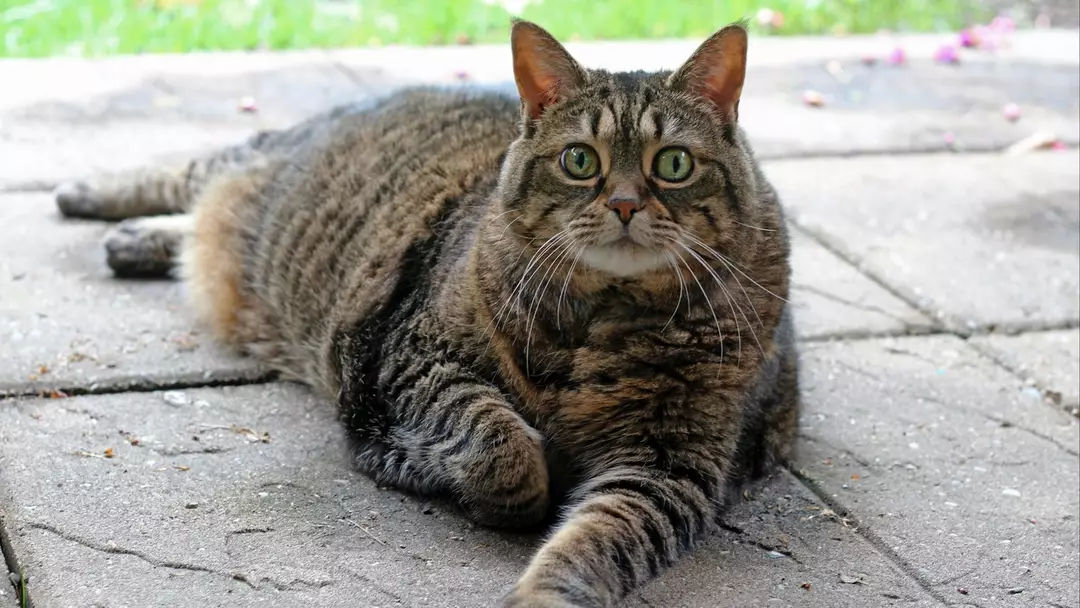
An American pharmaceutical company has revealed plans to conduct a trial for a new weight loss drug aimed at overweight cats.
Okava Pharmaceuticals, headquartered in San Francisco, is preparing to initiate a novel GLP-1 clinical weight loss trial. This study will explore medications that function similarly to human-approved weight loss drugs such as WeGovy and Mounjaro.
The MEOW-1 study, set to begin on Tuesday, will investigate the use of a small implant in cats that can steadily release a GLP-1 medication over a six-month period.
In this study, Okava will observe 50 cats that will receive the implant. Their weight will be assessed after three months on the medication, with continued monitoring extending to the six-month point.
Michael Klotsman, CEO of Okava, hopes the trial will provide a solution for pet owners struggling with their cats’ weight. The company aims to obtain FDA approval for the product between 2027 and 2028.
If approved, the anticipated cost for pet owners would be approximately $100 per month.

A statement from Okava about the study reads: “Weight management offers transformative health benefits for cats. Weight reduction is the only proven means of extending a cat’s lifespan. Leaner cats have significantly reduced diabetes risk, and joint pain associated with excess body weight is eliminated.”
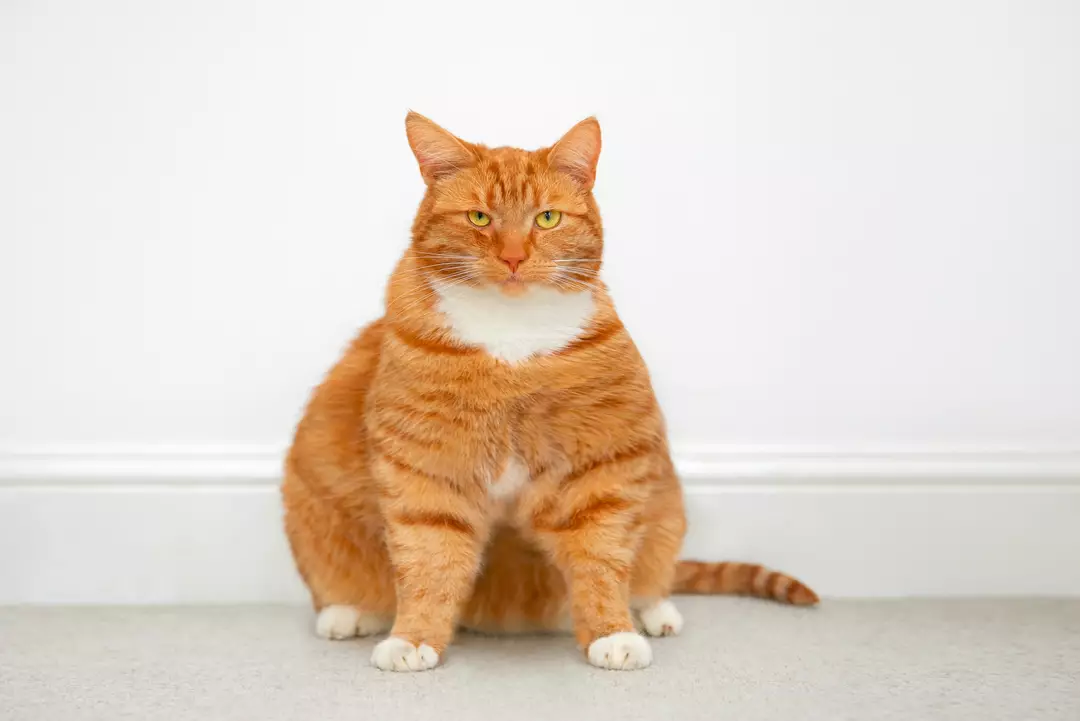
It is estimated that about 50 percent of cats in the US are either overweight or obese, which means roughly 25 million households have at least one overweight cat.
For this trial, the GLP-1 drug being used is known as exenatide, rather than the semaglutide or tirzepatide used in humans.
The drug, however, works in the same manner as it does for people.
According to Okava, “Pet owners should expect to see meaningful behavioral changes in their animals. Most notably, pets will become less food-motivated – they’ll show less begging behavior, reduced scavenging, and better portion control.”
Okava also predicts that owners will notice their pets being more energetic and active as they lose weight and their metabolic health improves.
GLP-1s were initially approved for diabetes treatment as they assist in insulin production and reduce blood sugar levels.
The medication also has the added benefit of slowing the digestion process, which helps reduce appetite and can result in weight loss.
Due to this effect, several GLP-1 drugs were later approved for weight loss purposes.
Even though the study is in its preliminary stages, Okava has disclosed plans to conduct a similar trial with dogs in the future.
The company argues that using medication in pets is more effective than traditional diet changes or lifestyle adjustments. Okava highlights various benefits, such as reducing diabetes risk through improved glucose metabolism, decreasing osteoarthritic pain and inflammation, enhancing cardiovascular function, and improving insulin sensitivity.