


U.S. Inflation cooled in June after months of relentless price growth, providing welcome relief to consumers dealing with the aftermath of earlier energy shocks. Yet even as energy prices plummeted and monthly inflation turned negative for the first time in years, a new threat to price stability is emerging: the explosive buildout of artificial intelligence infrastructure demanding vast amounts of electricity, computer chips and equipment.
The consumer price index dropped 0.4 percent in June on a monthly basis, marking the largest decline since April 2020. Over the past 12 months, inflation eased to 3.5 percent from 4.2 percent in May, delivering a surprise to economists who had predicted a reading of 3.8 percent. The improvement was driven almost entirely by a dramatic reversal in energy costs, which fell 5.7 percent during the month after months of surging prices fueled by the conflict between the United States and Iran.
Core inflation, which excludes the volatile food and energy categories, cooled more modestly. It fell to 2.6 percent annually from 2.9 percent in May, still well above the Federal Reserve’s 2 percent target. On a monthly basis, core prices were flat, a better performance than the 0.2 percent increase economists expected. The mixed signals in the data have left policymakers uncertain about the inflation path ahead.
The June report gave the Federal Reserve some breathing room after months of elevated pressure. Markets quickly repriced the odds of an interest rate increase in July downward, and Federal Reserve Chairman Kevin Warsh cautioned against declaring victory. “This isn’t mission accomplished,” Warsh said in congressional testimony, noting that inflation remains significantly above the Fed’s target despite the June improvement. He acknowledged, however, that the report gives policymakers “room to breathe” and reduces immediate pressure to act on rates.
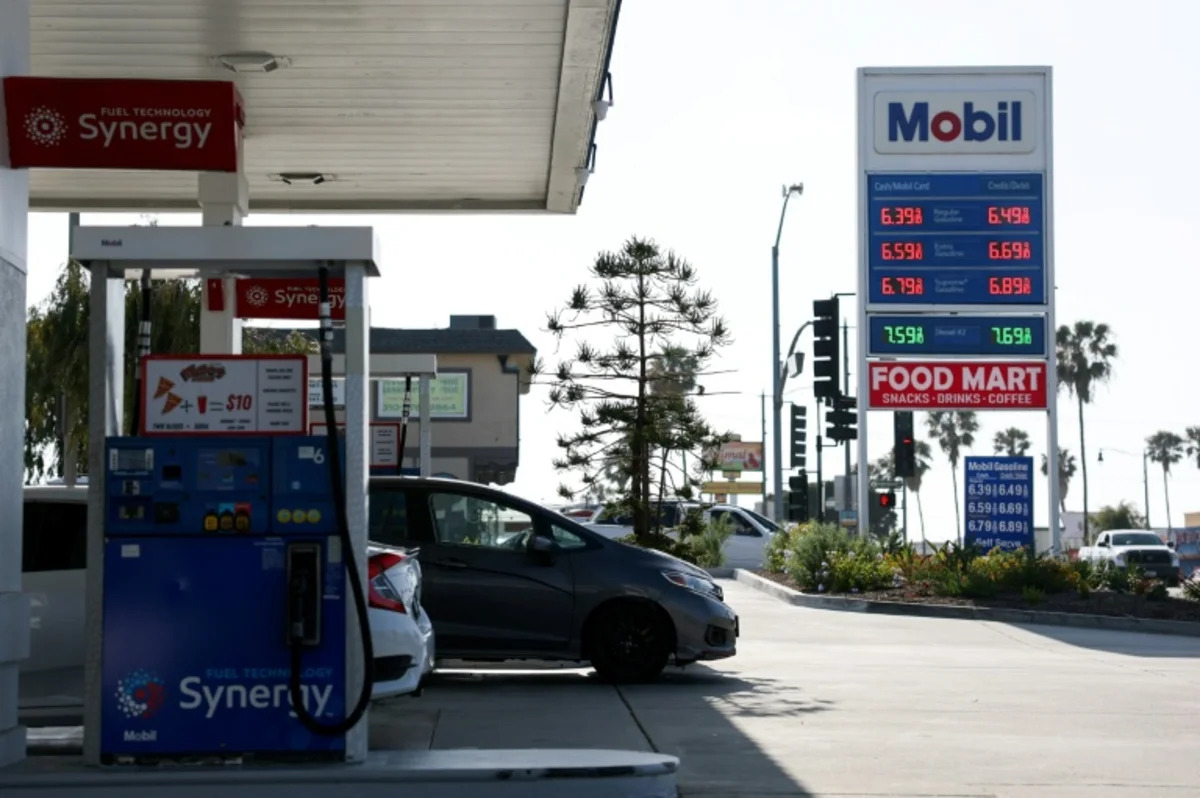
Energy prices, which dominated the June inflation story, benefited from a temporary lull in Middle East hostilities. In mid-June, the United States and Iran had reached a ceasefire and memorandum of understanding that helped lower oil prices by roughly 25 percent. Gasoline prices fell 9.7 percent during June alone, though they remain far higher than a year ago. But that geopolitical reprieve proved short-lived. By early July, fighting resumed between the United States and Iran, with both sides conducting military strikes. Trump announced the ceasefire was over, threatening renewed attacks on Iranian oil infrastructure and a fresh naval blockade of Iran. Those escalating tensions threaten to send energy prices higher again and undermine the inflation gains recorded in June.
While policymakers welcomed June’s inflation cooldown, they are increasingly concerned about a different driver of future price pressures: the massive investment in artificial intelligence infrastructure. Tech giants including Alphabet, Amazon, Meta Platforms and Microsoft are expected to invest approximately $720 billion this year, mostly on data centers to power AI systems. That enormous spending is already hitting consumers through higher prices for computers, laptops, smartphones and video game consoles.
The AI buildout has created severe supply constraints in semiconductors and memory chips. Economists at JPMorgan Chase estimate that the cost of some computer memory chips has soared by as much as 400 percent between 2024 and the end of 2026. Apple said in a statement that “we have never seen a component price increase this much, this quickly.” Microsoft announced a $100 price increase for its Xbox gaming console citing higher memory chip costs, while Sony raised PlayStation prices and computer makers Dell and HP boosted laptop prices.

Beyond computer equipment, the data center surge is creating inflationary pressure through electricity demand. Data centers consume vast amounts of power to run servers and cooling systems, and utilities across the country are raising electricity rates to fund grid upgrades necessary to meet this soaring demand. Electricity prices rose 5.9 percent in May compared with a year earlier, already outpacing overall inflation. Power companies are raising rates for ordinary households to fund the infrastructure improvements needed to accommodate data center demand.
Economists expect the AI-related price pressures to persist through the end of 2026. While they forecast the overall impact will be smaller than previous inflation waves, the cumulative effect could push core consumer prices roughly a half-percentage point higher by year-end. John Williams, president of the Federal Reserve Bank of New York and vice chair of the Fed’s rate-setting committee, warned that if AI demand continues to outstrip available supply in ways that create sustained inflation, the Fed would need to respond with rate increases. “If this creates a sustained impulse to demand relative to supply in inflation, I do think that’s the kind of situation where you don’t look through this,” Williams said.
Fed officials acknowledged the AI threat in minutes from their June meeting. They noted that “ongoing strong demand for AI infrastructure would likely sustain upward pressure on prices for technology products and electricity.” Yet there is disagreement within the central bank about how serious the threat is. Chairman Warsh has maintained that artificial intelligence ultimately will be disinflationary because rising productivity from AI will ease the cost of goods and services over time.
For now, the June inflation report gives the Fed and the Biden administration some political cover heading into the midterm elections. President Trump hailed the report as evidence that prices are “coming way down.” But policymakers know that the benefits may be temporary. The resurgence of Middle East fighting threatens to reignite energy price pressures, while the AI investment boom poses a new and uncertain inflation challenge. The central bank faces a delicate task: allowing the inflation improvement from June to persist while remaining vigilant against new sources of price growth that could take hold if left unchecked.