


Health authorities in the United States have issued a travel alert due to an outbreak of a virus that can be transmitted to humans.
As individuals prepare for winter vacations to tropical locales or finalize existing travel plans, experts advise caution for those traveling to the Seychelles, where there is growing concern over virus cases.
The Seychelles, located in the Indian Ocean off the eastern coast of Africa, is an archipelago comprising 115 islands northeast of Madagascar. It is renowned for its stunning white-sand beaches, clear turquoise waters, and high-end resorts.
This destination is favored by honeymooners, diving enthusiasts, and nature lovers, with the peak visitation period being the dry season from May to October. During this time, activities such as snorkeling, sailing, and exploring coral reefs and nature reserves are popular.

Nevertheless, potential travelers should be aware of the ‘level 2’ advisory issued by the Centers for Disease Control and Prevention (CDC). The agency has advised tourists to ‘practice enhanced precautions’ when visiting the area.
The CDC has identified an outbreak of chikungunya, a viral infection transmitted to humans by mosquitoes. The Cleveland Clinic notes that the disease typically causes a rapid onset of high fever, intense joint pain, muscle aches, headaches, fatigue, and rashes.
Although it is seldom fatal, the joint pain associated with chikungunya can be very severe. While most infected individuals recover after about a week, some may experience prolonged joint pain.
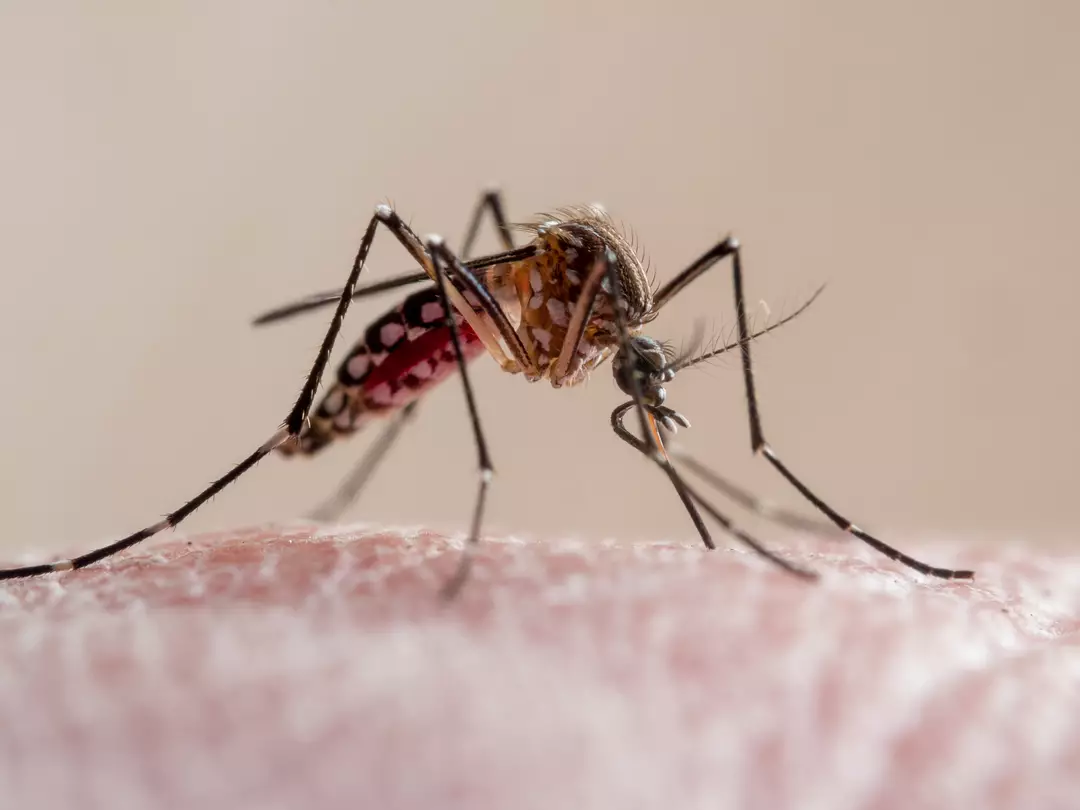
Treatment primarily involves alleviating symptoms, which generally appear 3-7 days after being bitten by an infected mosquito.
The Cleveland Clinic emphasizes that the virus does not spread through direct contact or saliva. Their website advises, “People traveling to areas with active chikungunya transmission should be overly cautious about avoiding mosquito bites. It’s especially important to avoid getting more mosquito bites for about one week once you have the virus. This is because an uninfected mosquito could bite you and become infected, further spreading the virus.”
The CDC notes that fatalities resulting from chikungunya are infrequent.
Outbreaks have been recorded in regions across Africa, the Americas, Asia, Europe, the Caribbean, and the Indian and Pacific Oceans.
To protect against mosquito bites, it is recommended to use insect repellent, wear long-sleeved clothing, and stay in accommodations equipped with screens or air conditioning. Vaccination may also be an option for travelers going to areas experiencing a chikungunya outbreak.
The CDC has also advised pregnant individuals to reconsider traveling to locations where a chikungunya outbreak is occurring.