

—
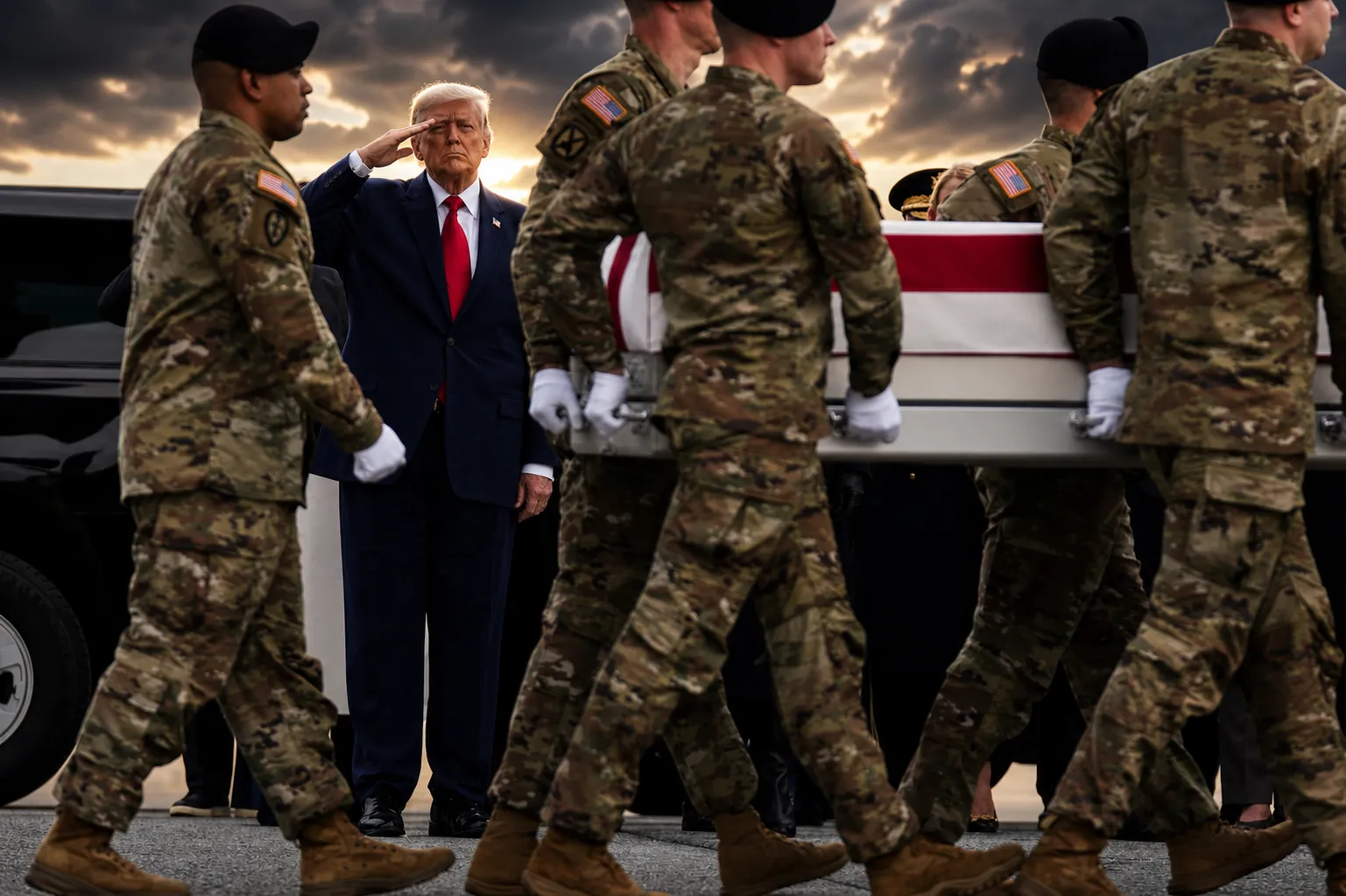
The United States military’s death toll in the ongoing Iran war has climbed to 14 service members, marked by the recent loss of a Navy pilot in a helicopter crash in early July in the Arabian Sea. The addition brings attention to the mounting human cost of the conflict that began in late February when the United States and Israel launched coordinated military strikes against Iranian targets.
The Navy pilot who died was Commander Gabriel Edwards, commanding officer of Helicopter Sea Combat Squadron 5. Edwards was lost in the July 1 crash of an MH-60S Seahawk helicopter deployed from the USS George H.W. Bush. While three of the four crew members were rescued quickly and returned to the carrier in stable condition, Edwards went missing in what the Navy described as an emergency water landing. Search and rescue operations involving Navy and Air Force assets covered more than 14,000 square miles over more than 102 hours before being suspended. Navy officials said there was no indication the helicopter was shot down by hostile action. Edwards was posthumously promoted to the rank of captain in recognition of his exemplary leadership and service spanning two decades.
This July death marks the first casualty recorded since March, when the heaviest toll of the war struck American forces. In the opening weeks of the conflict, 13 service members died in separate incidents within days of each other. The first attack came on March 1, when an Iranian drone strike on a command center at Port Shuaiba in Kuwait killed six soldiers with the 103rd Expeditionary Sustainment Command. Days later, another soldier who had been wounded during a separate Iranian attack on Prince Sultan Air Base in Saudi Arabia died from those injuries.
The worst single incident in terms of U.S. Military deaths occurred when six more service members were killed in a KC-135 refueling aircraft that crashed in Iraq while supporting U.S. Military operations against Iran. This noncombat incident brought the March death toll to 13 before weeks passed without additional fatalities.
The wounded count presents an even broader picture of the war’s impact. More than 414 service members have been wounded as of mid-July, though the majority of injuries have been relatively minor. Captain Tim Hawkins, spokesman for U.S. Central Command, said most of those wounded have suffered traumatic brain injuries. The injury pattern reflects the nature of the conflict, where missile strikes and explosions near American positions have become frequent occurrences. Nearly all of the wounded have returned to duty, though the long-term effects of traumatic brain injuries remain poorly understood among military medical professionals.
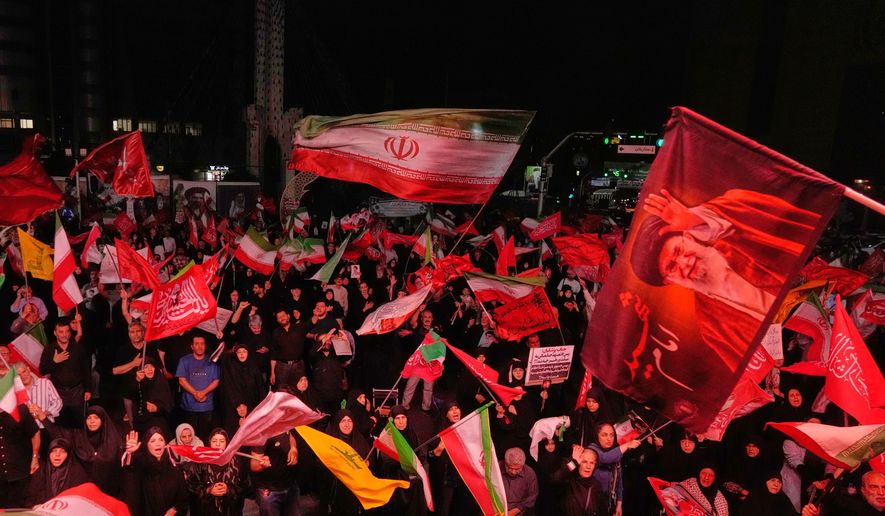
The conflict itself erupted on February 28 when U.S. And Israeli forces launched a massive campaign called Operation Epic Fury targeting Iran’s military and nuclear facilities. The strikes came amid escalating tensions over Iran’s nuclear program and followed months of negotiations that broke down. Iranian retaliatory strikes and counteroffensives have included missile and drone attacks on American bases across the region, and Iran has attempted to block the Strait of Hormuz, a critical waterway through which roughly 20 percent of the world’s oil passes.
Since the ceasefire agreement was reached in June following more than four months of intense warfare, sporadic exchanges have continued. The agreement represented a temporary respite in a conflict that had devastated the Middle East and disrupted global energy supplies. However, with renewed Iranian and American strikes in recent weeks, the fragile peace remains threatened. The latest additions to the casualty count underscore the fragility of any pause in hostilities.
The toll on American forces, while smaller than the thousands killed on other sides of the conflict, represents a significant commitment of military personnel to the campaign. Military analysts have noted that the relatively contained number of U.S. Casualties reflects sophisticated defensive measures and tactical operations. Yet the war has already consumed enormous financial resources, with estimates suggesting costs exceeding $100 billion for the United States alone through June, making it one of the most expensive military conflicts in American history when measured against its duration.
As operations continue intermittently in the region, military families and the defense establishment face the ongoing reality that more casualties could follow. The Pentagon has made clear through official statements and military planning that additional losses should be expected should hostilities resume in earnest. The Navy helicopter loss and the circumstances surrounding Commander Edwards’ death have renewed focus on the inherent risks American service members face in the Middle East, even during periods of relative calm between the major belligerents.