

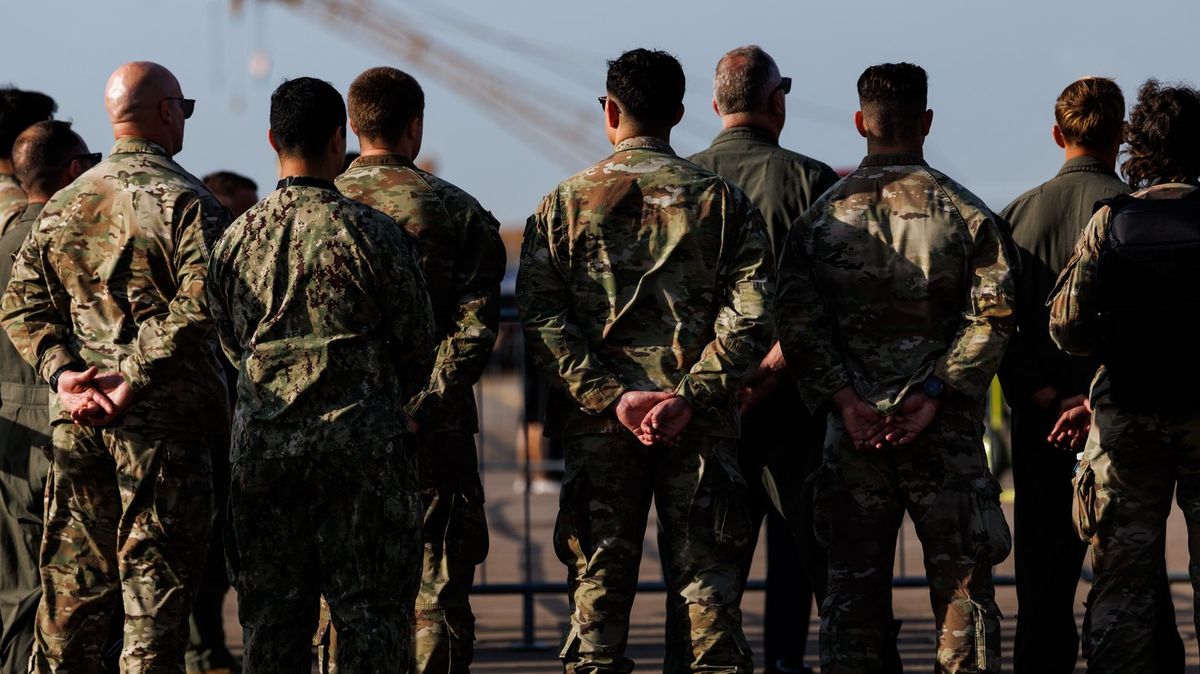
The beginning of 2026 has started with the rumblings of a world war, with the US and Israel teaming up to attack Iran – leading to fears that US citizens will be drafted to fight.
Armed conflict has shaped modern history for generations, from two world wars to countless smaller battles that have erupted across different regions and eras.
And while many people focus on Russia and Ukraine, or Israel and Palestine, those are far from the only flashpoints currently dominating headlines and humanitarian reports.
From Sudan’s civil war to instability across parts of Africa, along with ongoing tensions linked to Afghanistan and elsewhere, multiple crises continue to unfold at the same time.
Still, the most alarming escalation right now is the major confrontation involving Iran, where reports say hundreds have been killed, many more wounded, and other nations pulled into the situation largely through their ties to the United States.
With the US positioned as a central participant, concerns about conscription have begun to resurface. But any draft would follow specific legal requirements about who can be called up.
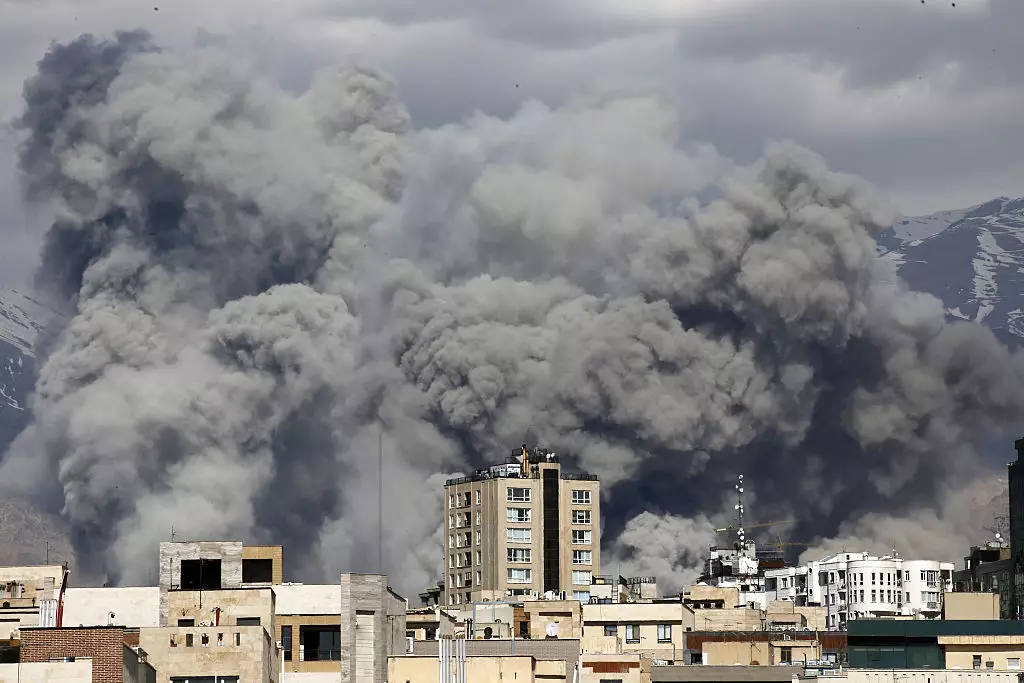
On February 28, the US and Israel launched missile strikes on Tehran, Iran’s capital, as well as other sites—setting off a fierce conflict that has continued to intensify.
During the opening phase of the fighting, the US’s ‘Operation Epic Fury’ reportedly culminated in the death of Iranian Supreme Leader Ali Khamenei at his residence in Tehran.
Khamenei had led Iran for more than 30 years.
Satellite images have since circulated that appear to show before-and-after views of the property.
Iran later cited 555 deaths, with reports claiming 180 of them were linked to a girl’s elementary school, before launching retaliatory strikes of its own.
Iran’s response focused on US military assets across the Middle East, with neighboring countries named among those affected, including Bahrain, Kuwait, Saudi Arabia, Jordan, Dubai, Oman, Israel, Qatar and more.
In what was framed as part of its response to his death, Iran’s most recent reported target was the US embassy in Riyadh—prompting Donald Trump to warn that everyone will ‘find out soon’ what the US does next.
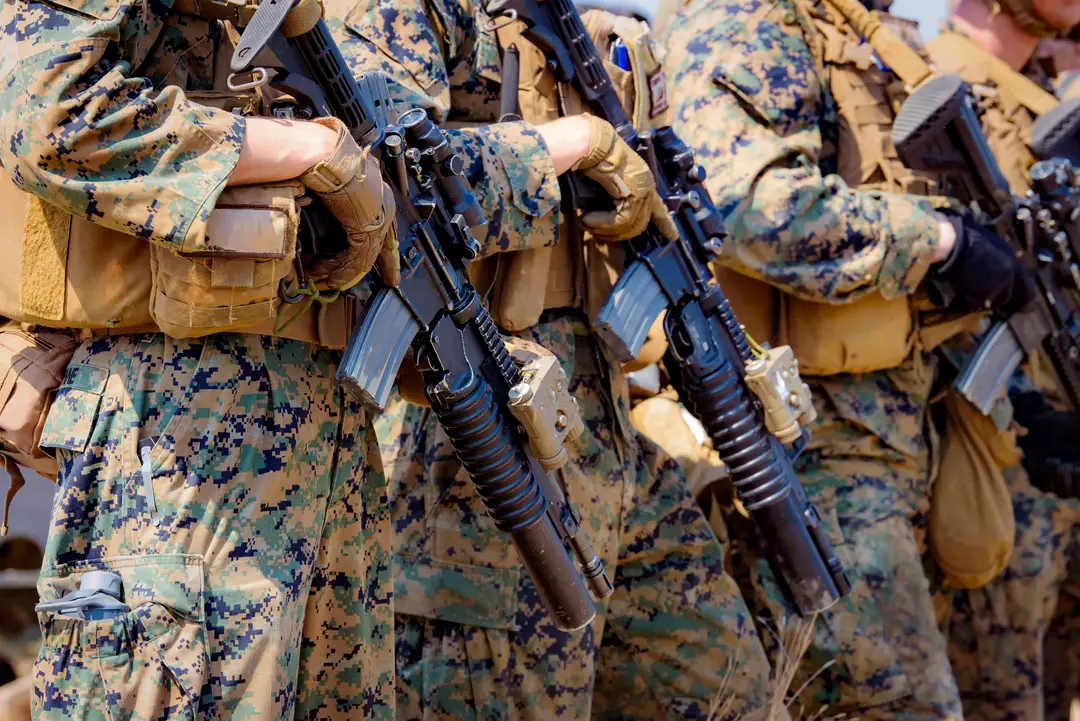
Following attacks on US-linked locations, six servicemen have reportedly been confirmed dead.
The Council on Foreign Relations estimates there are roughly 40,000 US military personnel stationed across the Middle East.
That figure includes service members deployed on naval vessels, personnel operating on the ground, and troops based at US facilities throughout the region.
Meanwhile, Statista previously put the total number of active US armed forces personnel in 2023 at 449,344.
If the conflict expands further—as Trump suggested could happen—US involvement could grow significantly.
In an escalated scenario, public concern has turned to whether a nationwide draft could be introduced.
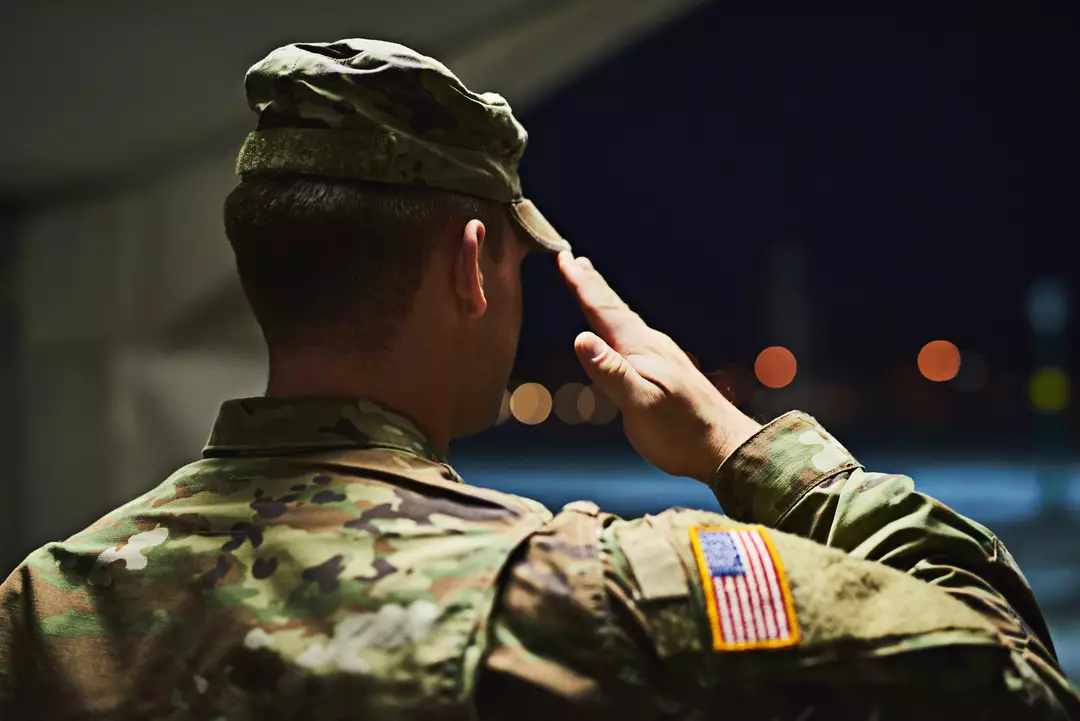
The Selective Service System—often referred to as the military draft or conscription—requires all ‘male persons’ in the US, including both citizens and immigrants, aged 18 through 25 to register with the government.
Under current rules, eligible men are expected to register online within 30 days of turning 18.
Some groups are excluded, including people on active duty, individuals with qualifying disabilities, and those who are incarcerated.
Even conscientious objectors—those who oppose war for moral or religious reasons—are still required to register.
The requirement also applies to people who previously served on active duty but were discharged before turning 26.
Failing to register can be treated as a felony and may lead to serious consequences.
That said, prosecutions for refusing to register have been rare for a long time.
Once someone turns 26, if they never registered, they are no longer required to sign up with the Selective Service System.
If a draft were ever activated, being selected would not automatically mean combat. Some roles could involve support work, such as food service, maintenance, cleaning, or other tasks the military needs filled.
For women, the law currently specifies only ‘male persons’ must register, and women are not allowed to register, according to Military.com.