

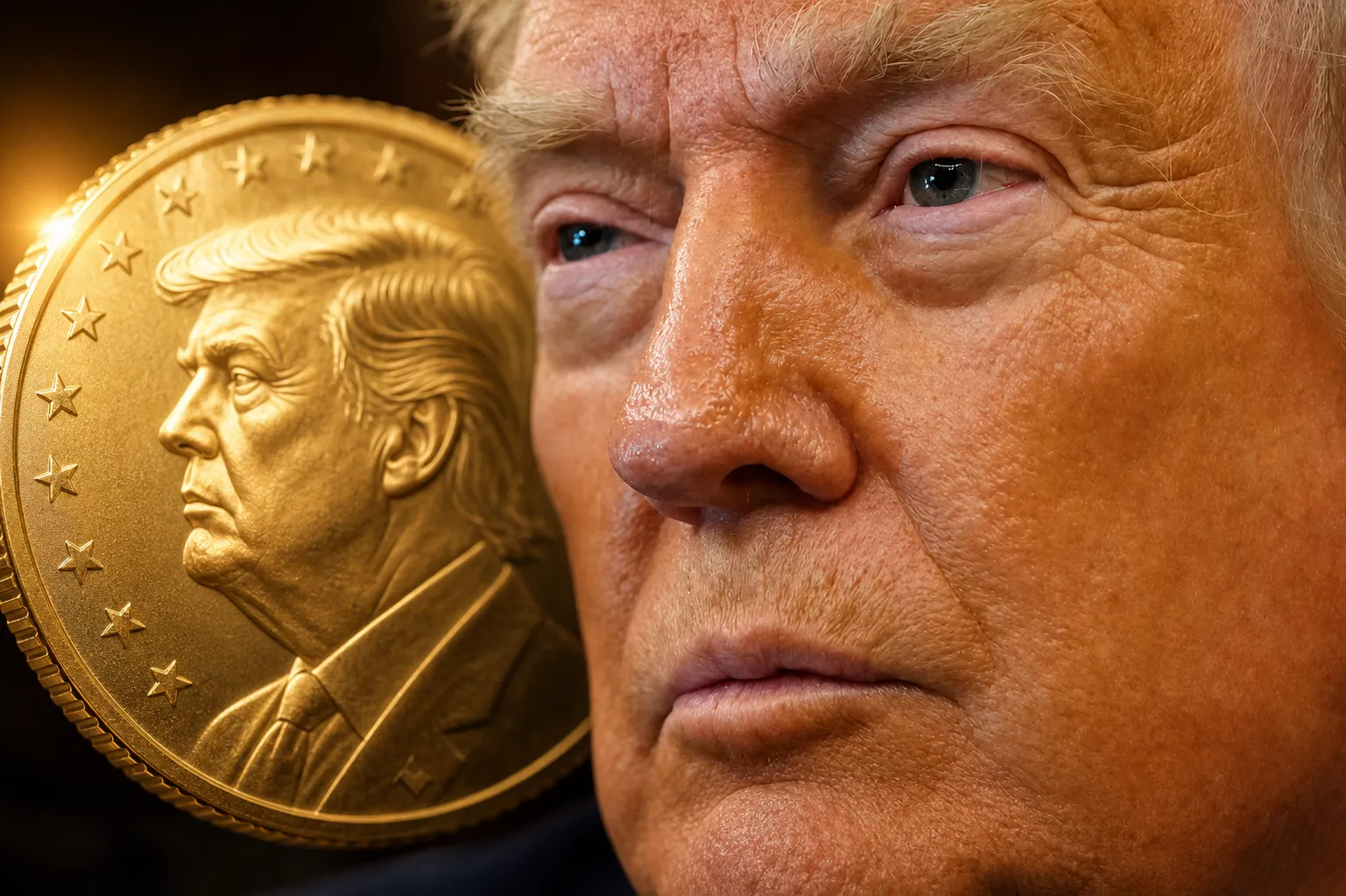
The U.S. Mint has begun producing a new $1 commemorative coin bearing President Donald Trump’s face to help celebrate America’s 250th birthday, the Treasury Department announced Wednesday. The coin, which features a gold-like finish, is already in production and will be available for purchase beginning this fall, with coins minted in Philadelphia.
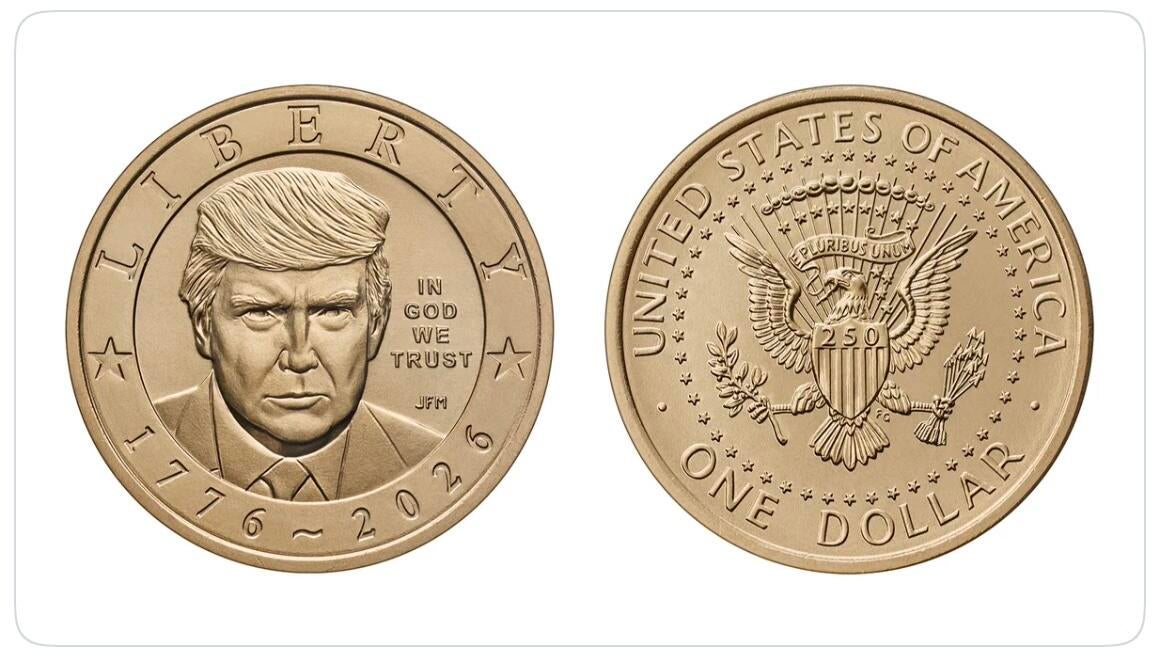
Treasury Secretary Scott Bessent announced the move in a post on social media, stating the coin will “honor the enduring legacy of liberty and a lasting symbol of patriotism” and celebrate “the strength of American values, and the promise of a nation dedicated to preserving freedom for all.”
The design shows Trump in a suit and tie on the obverse, or front side, accompanied by the word “Liberty” and the dates 1776-2026. The phrase “In God We Trust” appears at the center. The reverse depicts a bald eagle from the Great Seal of the United States, with “United States of America” and the Latin phrase “E Pluribus Unum,” meaning “Out of many, one,” inscribed on it.
The coin is composed of non-precious metals despite its gold-like appearance and will be available for purchase in rolls and bags during the fall season. The final design received approval earlier this year from the U.S. Commission of Fine Arts, whose members were appointed by Trump.
The move represents a significant departure from longstanding U.S. Tradition. If Trump were to appear on a coin while serving as president, he would become only the second sitting president to do so. The first and only other instance occurred in 1926, when President Calvin Coolidge appeared on a commemorative half dollar alongside George Washington during the nation’s sesquicentennial celebration. That coin quickly vanished from circulation and became a historical curiosity.
The Treasury Department is relying on the Circulating Collectible Coin Redesign Act of 2020 to authorize the coin’s production. Trump himself signed this bipartisan legislation in January 2021, during the final days of his first term, which permits the Treasury to mint $1 coins with designs “emblematic of the United States semiquincentennial” during 2026 only.
However, the coin has drawn significant legal scrutiny. An 1866 law, known as the Thayer Amendment, prohibits living people from appearing on American currency. The law specifically addresses “bonds, securities, notes, fractional or postal currency,” though legal experts debate whether coins fall under this prohibition. The Trump administration argues that the 2020 law provides legal authority for the commemorative coin and that the 1866 law does not explicitly mention coins.
Legal experts are divided on the coin’s legality. Some argue that the 1866 statute’s language does not encompass coins, while others contend that the spirit of the law and long-standing tradition should prevent a living president from appearing on currency. A federal lawsuit was filed in March challenging the coin’s legality, suggesting the matter may ultimately be decided by the courts.
The citizens’ Coinage Advisory Committee, a federal panel typically responsible for reviewing and recommending coin designs to the Treasury Secretary, declined to review designs featuring Trump. The Committee’s former leadership, appointed during the previous administration, was dismissed by Trump in October 2025 and replaced with his own appointees before the Commission of Fine Arts approved the design.
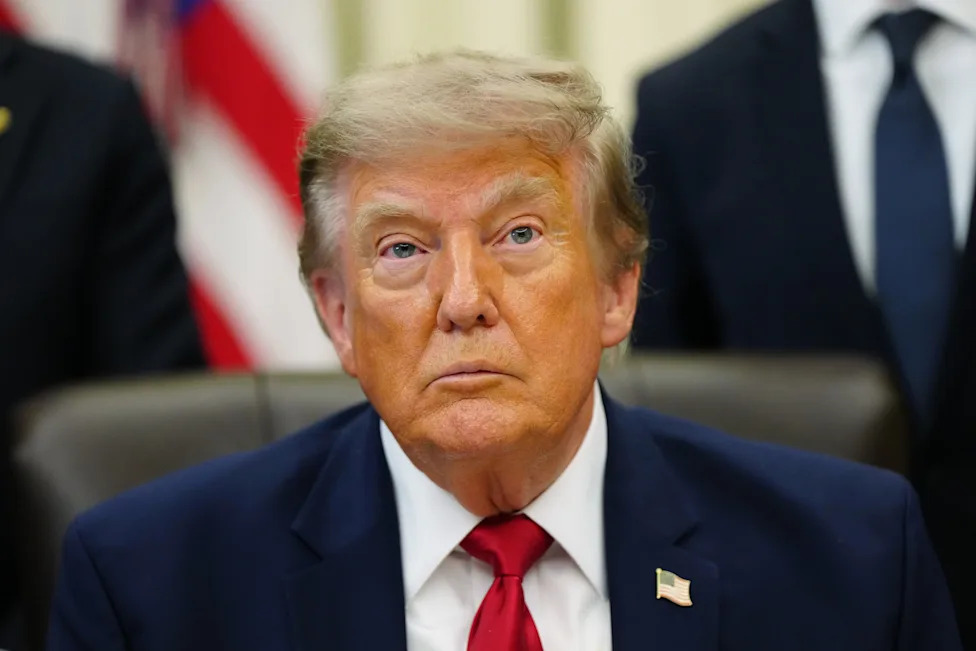
The decision to put Trump’s face on a commemorative coin is part of a broader effort by the administration to mark the 250th anniversary with presidential imagery. The Treasury Department also announced that Trump’s signature will appear on all new U.S. Paper currency beginning this year, marking the first time a sitting president’s signature will appear on American money. The plan breaks with tradition, as currency typically carries only the signatures of the Treasury Secretary and the Treasurer, not the president.
Additionally, the administration has explored creating a $250 bill featuring Trump’s portrait and signature, though such legislation has not yet passed Congress. That proposal would require a change in federal law, as the Treasury previously stated that no living person may appear on U.S. Currency.
The coin is distinct from a separate 24-karat gold commemorative coin that was approved in March and is also planned for production as part of the 250th anniversary celebration.