


Transgender people in Kansas are being told to surrender their driver’s licenses if the sex marker on the ID does not match the sex they were assigned at birth, following a new law enacted after a Republican supermajority overrode the governor’s veto.
The measure is expected to affect more than 1,000 residents. Under the change, Kansas will no longer recognize gender-marker updates previously made by trans people on state documents such as driver’s licenses and birth certificates, and it blocks any future attempts to change those markers.
People impacted will have to pay for replacement driver’s licenses that list their sex as assigned at birth, according to Reuters.
State residents received a letter stating that the House Substitute for Senate Bill 244 would take effect on 26 February.

The letter also indicates there will be no grace period to make updates. That means anyone who continues driving with an ID showing a different gender than their sex assigned at birth could face penalties because the credential would be considered invalid.
“Please note that the Legislature did not include a grace period for updating credentials,” the letter reads (via Erin in the Morning). “That means that once the law is officially enacted, your current credentials will be invalid immediately, and you may be subject to additional penalties if you are operating a vehicle without a valid credential.”
In Kansas, driving without a valid license is a class B misdemeanor, punishable by up to six months in jail and a $1,000 fine. The change builds on other restrictive measures, including a 2023 law requiring county jails to house inmates based on their sex assigned at birth.
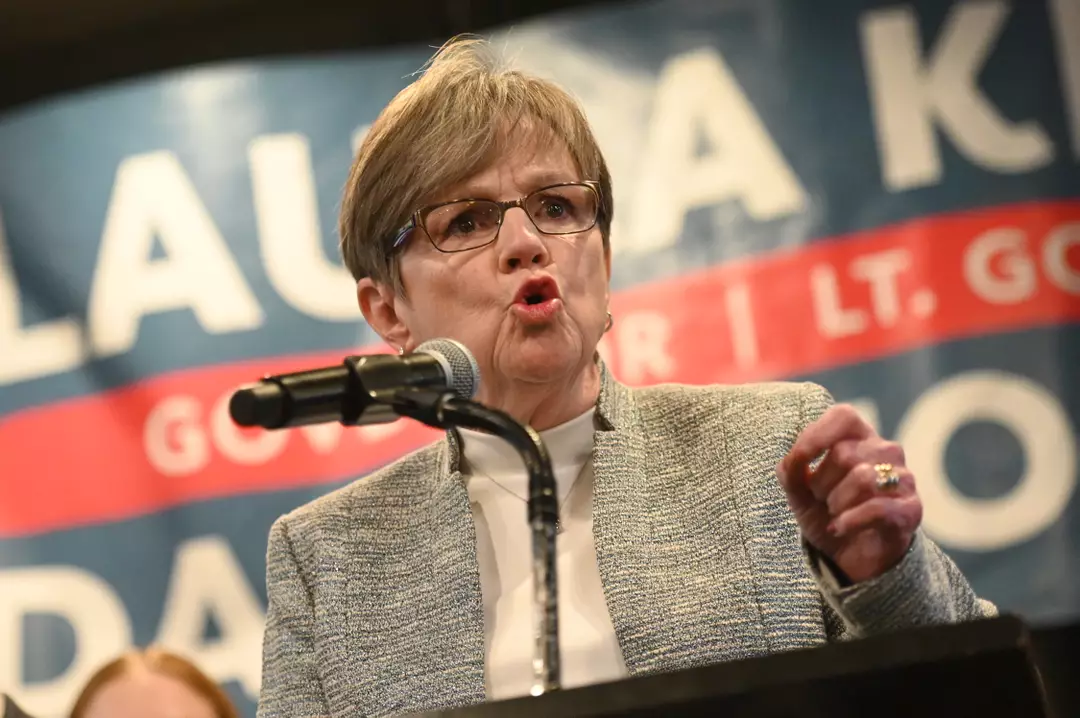
Governor Laura Kelly, a Democrat, vetoed the bill, but the Republican supermajority in the legislature overrode her decision. The law also requires trans people to use bathrooms and locker rooms in government-owned or government-leased buildings that correspond with their sex assigned at birth.
Another provision creates a pathway for private citizens to sue if they believe someone is using a public bathroom that does not match the sex they were assigned at birth.
If the complaint succeeds, the person who brought the case could be awarded $1,000.
Under the enforcement framework described, a first violation would result in a written warning. A second offense would trigger a $1,000 fine, and a third offense could bring another $1,000 fine along with a six-month prison sentence.