

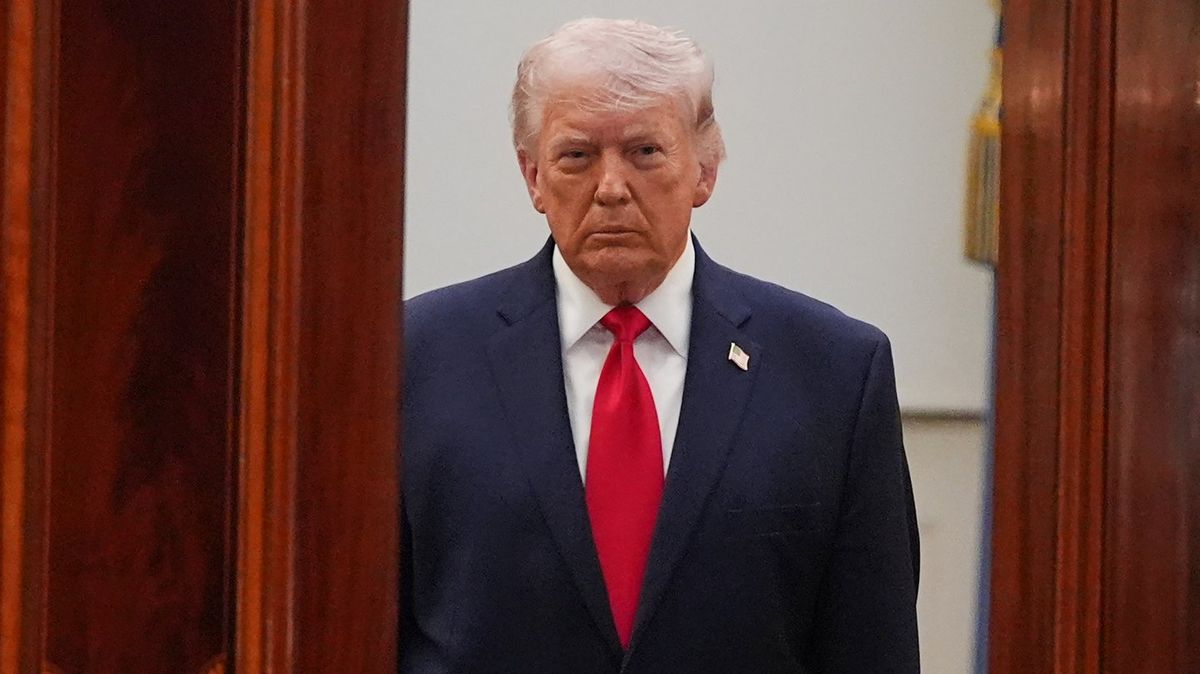
The Trump administration has unveiled the most sweeping change to US cannabis policy in a generation, loosening federal restrictions on certain marijuana-related products and fast-tracking the effort to treat cannabis as a less dangerous substance.
Acting attorney general Todd Blanche signed an order on April 23, 2026 that reclassifies cannabis as a lower-risk drug, representing one of the most consequential federal shifts on marijuana in more than half a century.
The decision follows a December 2025 executive order in which president Trump instructed the DOJ to finalize the rescheduling process as rapidly as possible.
If implemented as planned, cannabis would move from Schedule I—currently grouped with heroin and LSD under the strictest federal category—to Schedule III, where it would sit alongside Ketamine and Tylenol with codeine.
Marijuana has remained a Schedule I substance since the Controlled Substances Act of 1970, and critics have argued for decades that this placement reflected political calculations more than scientific assessment.

Schedule I is intended for drugs viewed as having no accepted medical use and a high likelihood of abuse.
That’s why the long-standing inclusion of weed in the same category as heroin has been one of the most disputed aspects of American drug regulation.
Momentum toward legalization began in 1996, when California became the first state to legalise medical marijuana. It wasn’t until 2012 that Colorado and Washington became the first to legalize recreational use, after which many other states followed.
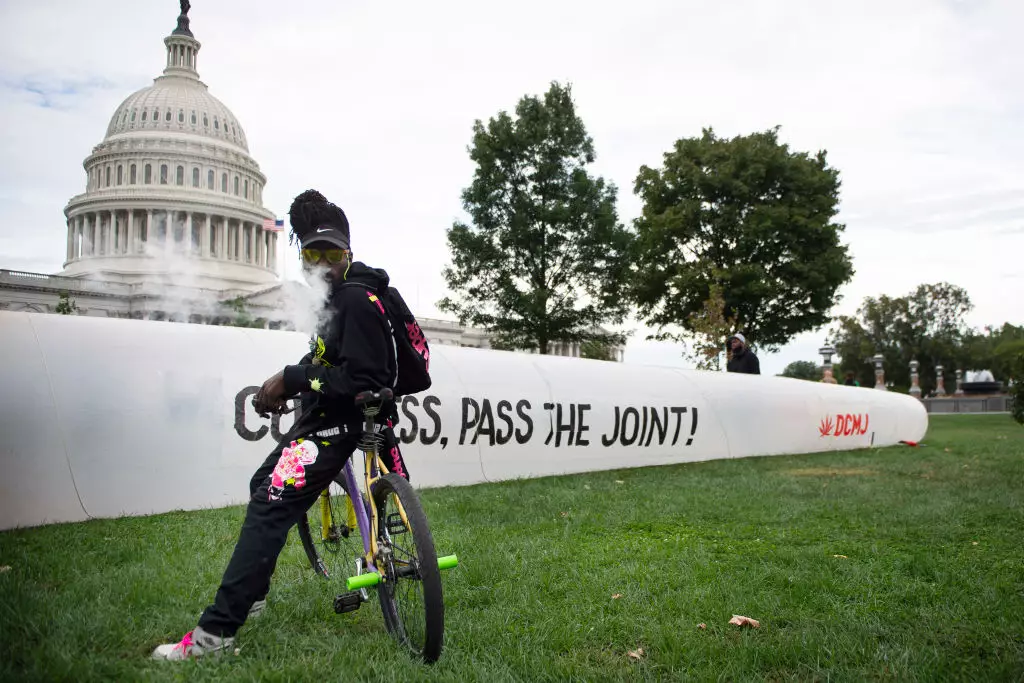
Now, more than 40 states permit cannabis in some form, creating a growing contradiction: people can comply with state law yet still be violating federal law.
Medicinal cannabis is now legal in 47 states, three territories and Washington DC.
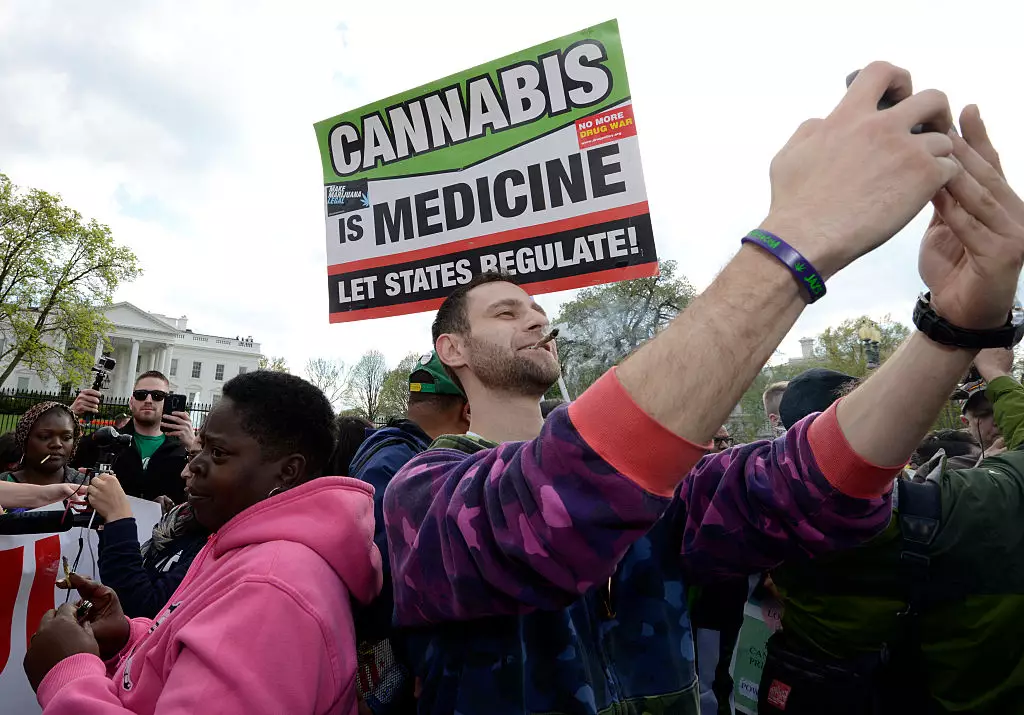
In a number of those jurisdictions, adults don’t need a medical card at all—legal purchase and consumption are allowed in a way similar to alcohol.
In a statement, Acting Attorney General Todd Blanche said the following on Thursday: “The Department of Justice is delivering on President Trump’s promise to expand Americans’ access to medical treatment options.
“This rescheduling action allows for research on the safety and efficacy of this substance, ultimately providing patients with better care and doctors with more reliable information.”
Blanche also directed that a hearing be held in June as part of the formal rule-making process aimed at broader marijuana rescheduling.
After the change is printed in the Federal Register, it will take effect 30 days later. That window allows time for legal challenges—which are expected—and litigation could delay implementation for months, or in some instances even years.