

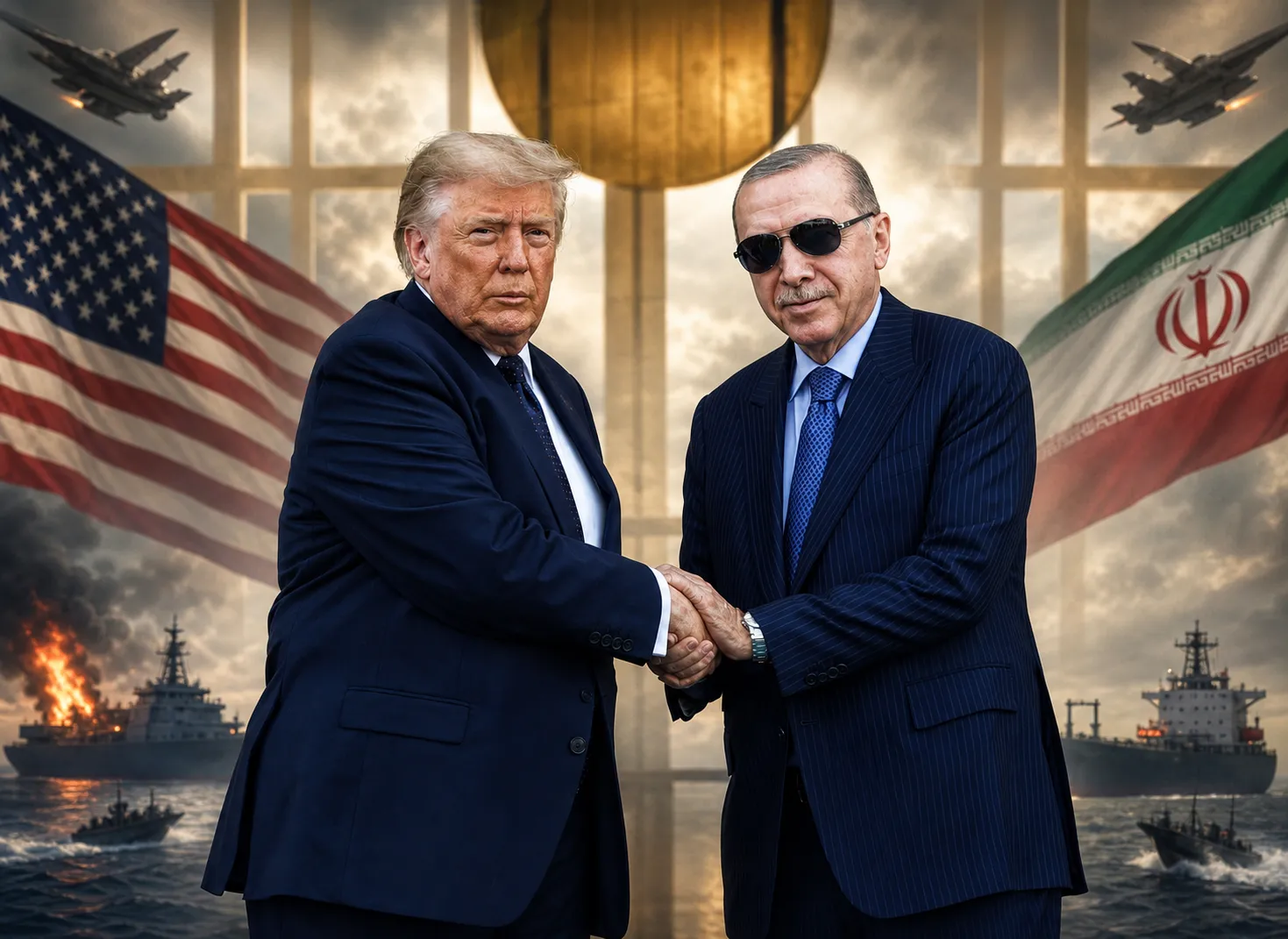
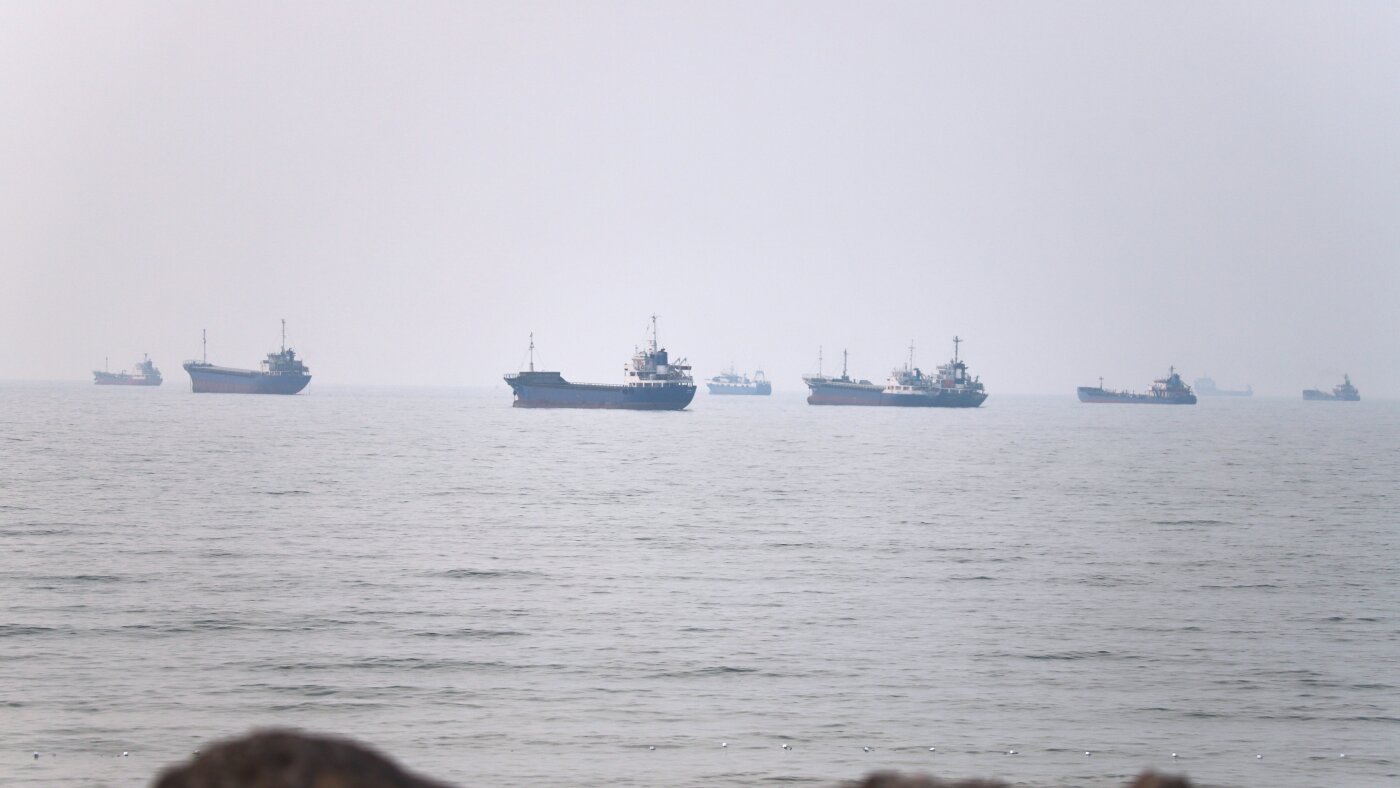
The U.S. Military launched a series of powerful strikes against Iran early Wednesday in response to Iranian attacks on three commercial ships in the Strait of Hormuz, the latest escalation in a conflict that is testing a fragile ceasefire agreement signed just three weeks earlier.
U.S. Central Command said the strikes were intended to impose heavy costs on Tehran for targeting merchant vessels carrying innocent civilians through an international waterway. The attacks targeted air defense systems, radar sites, anti-ship missile positions, drone launch facilities, and dozens of small boats operated by Iran’s Revolutionary Guards, officials said.
The Iranian attacks on shipping came as the nation observed a multi-day funeral for Supreme Leader Ayatollah Ali Khamenei, who was killed in U.S. And Israeli strikes on February 28 when the current war began. Iran did not claim responsibility for the vessel attacks, though state television suggested at least one ship ignored warnings from Iranian forces before being struck.
Three merchant vessels sustained damage in separate incidents in the Strait of Hormuz. One was a Qatari liquid natural gas tanker, the Al Rekayyat, which was struck by a projectile and caught fire near Oman. Another was a Saudi crude oil tanker that was damaged while exiting the strait, and a third vessel was struck by a drone. No casualties were reported, though the Qatari tanker’s fire raised concerns about a possible explosion, and two ships sustained significant damage before continuing on their way.
Qatar, Saudi Arabia, and other regional nations swiftly condemned the attacks as violations of international law and threats to global energy security. The incident intensifies pressure on a 60-day ceasefire framework that the U.S. And Iran agreed to just three weeks ago with the goal of negotiating an end to the war that has gripped the Middle East since late February.
The naval crisis quickly escalated beyond the Strait of Hormuz. Following the U.S. Military strikes, Iran launched drone and missile attacks on Bahrain and Kuwait in apparent retaliation. Kuwait said its air defenses intercepted incoming Iranian drones and ballistic missiles, with no reported injuries or damage. Bahrain reported that Iranian strikes damaged a residential building near its international airport, destroying the top floor and blowing out windows, though the building was not near the U.S. Navy’s Fifth Fleet headquarters downtown. Iran’s paramilitary Revolutionary Guard claimed responsibility for the attacks on both countries.
The strikes mark the second round of tit-for-tat violence since the U.S. And Iran signed their memorandum of understanding on June 17. Earlier exchanges in late June followed a similar pattern: Iran attacked a commercial vessel, the U.S. Retaliated with strikes on Iranian military targets, and Iran responded with attacks on Bahrain and Kuwait. That cycle strained the ceasefire but negotiators continued working toward a final agreement.
The Trump administration revoked an authorization that had allowed Iran to sell oil and petrochemicals on global markets, citing Iran’s attacks on commercial shipping. The Treasury Department said affected businesses have until July 17 to wind down transactions previously authorized under the June waiver, which was originally set to expire in August. The move represents a significant economic blow to Iran and signals U.S. Frustration with continued violations of the ceasefire agreement.
Oil prices surged in response to the escalation. Brent crude jumped more than 5 percent, trading near $76 per barrel, reflecting renewed concerns about disruptions to one of the world’s most critical energy chokepoints. Before the conflict began in February, roughly 20 percent of global oil and liquefied natural gas passed through the Strait of Hormuz.
Iran’s Deputy Foreign Minister Kazem Gharibabadi called the revocation of the sanctions waiver a blatant violation of the memorandum of understanding and said the U.S. Military strikes also constituted a serious breach. He vowed that Iran would take decisive actions to protect its national interests and security.
The Strait of Hormuz remains a major point of contention in ongoing peace negotiations. The memorandum requires the U.S. And Iran to reopen the waterway for 60 days without tolls, and Iran must make arrangements for safe passage of commercial vessels. However, Iran has insisted on a formal role in overseeing maritime traffic and has warned ships against using routes that do not follow Iranian-designated corridors. The U.S. Has rejected any Iranian charges or fees for passage through what it considers an international waterway.
A multinational maritime body overseen by the U.S. Navy announced earlier this week that it would expand a safe route near Oman’s coast for both inbound and outbound traffic, a move that appeared to trigger the Iranian attacks on shipping. The location details of the attacks showed that all three vessels were using the alternative Omani route that Iran has repeatedly warned against.
U.S. And Iranian negotiators met indirectly for two days last week through Qatari and Pakistani mediators following the earlier cycle of June strikes. Those mediators said the talks were productive, but with the funeral extending through this week and the new violence unfolding, the next round of direct negotiations has been delayed. Negotiators are working within a 60-day window to finalize a comprehensive agreement addressing Iran’s nuclear program, sanctions relief, and the permanent reopening of the Strait of Hormuz.
Iran has threatened a complete halt to negotiations if the U.S. Continues military operations. The conflict tests whether the two sides can maintain a dialogue despite escalating military incidents, or whether weeks of stalled progress will give way to renewed all-out conflict. Preliminary talks are scheduled to resume in the coming days in Doha, though their success remains uncertain given the latest violence and mutual recriminations.