

—
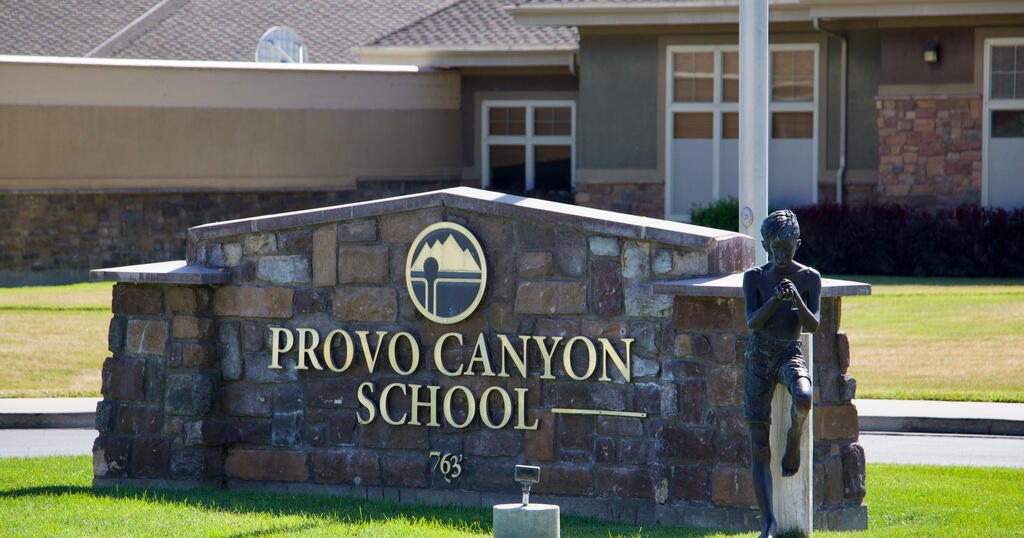
The state of Utah has revoked the operating licenses for both campuses of Provo Canyon School, a psychiatric residential treatment facility that has become synonymous with abuse allegations in what critics call the troubled teen industry. The revocations come after decades of complaints from former residents and mark a major victory for advocates pushing for reform in an industry that operates primarily in Utah.
The Springville campus lost its license first, with the revocation announced on July 7. The decision cited the facility’s failure to provide applicable health and safety services for clients. The state gave the school until August 6 to terminate all services at that campus. One week later, on Friday, the state revoked the license for the Provo campus as well, with services required to cease by August 16.
The state’s action against the school has reverberated throughout the troubled teen treatment industry, which has long been criticized for inadequate oversight and documented abuse. Utah has become the de facto capital of this sector, hosting nearly 100 youth residential treatment centers that process thousands of young people annually, many sent against their will by parents or state agencies.
The revocations stem from multiple serious violations documented across years of inspections. State investigators found instances of staff engaging in unnecessary restraint and aggressive physical contact with residents. The facility also failed to protect clients from potential harm and violence, failed to properly report critical incidents, and provided inadequate supervision. Additional violations included failing to increase appropriate staff-to-client ratios and not properly verifying employee backgrounds or submitting background checks in a timely manner.
A particular trigger for the crackdown came in May when staff at the Provo campus failed to seek immediate medical care for a student with serious injuries. Rather than calling 911, staff delayed treatment for about an hour. Two families subsequently filed lawsuits alleging their children were mistreated, with one suit alleging that a teenage girl developed a serious kidney condition after medical care was delayed for nine days.
The state placed temporary restrictions on the school in May and then conditional restrictions on the Provo campus in June after receiving complaints from the Disability Law Center of Utah on June 16. Investigation revealed that incidents had not been reported to state officials as required by law, and incidents that were reported had omitted material information.
The school’s owners, Universal Health Services, a for-profit Pennsylvania-based company that operates residential treatment programs across multiple states, have announced their intention to appeal the license revocations. In a statement, the company said they disagree with the state’s decision and are evaluating all available legal and administrative options. However, the owners may not reapply for a new license for five years.
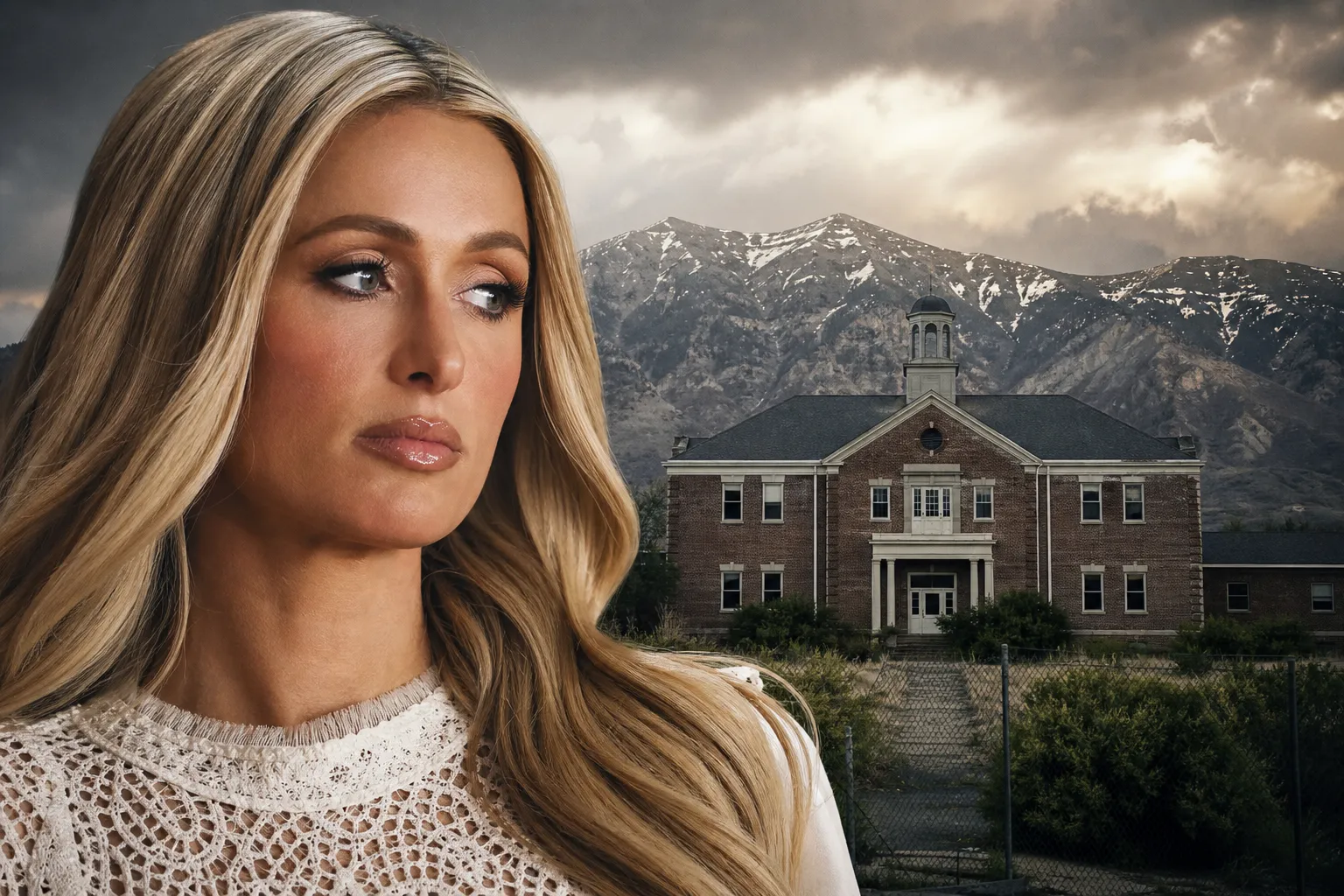
The case of Provo Canyon School gained widespread attention in 2021 when hotel heiress and media personality Paris Hilton publicly detailed the abuse she endured during her nearly year-long stay at the facility in the late 1990s. Hilton has alleged that staff members beat her, watched her shower, fed her unknown pills, and locked her in solitary confinement without clothing. Her testimony proved instrumental in spurring reform efforts across the United States.
In 2023, Hilton published a memoir detailing her experiences and has since become a prominent advocate for reform. She has testified before Congress and multiple state legislatures, helping to pass protective legislation in Utah and 15 other states. Last month, she returned to the school’s campus to publicly support the two families who filed recent lawsuits.
Following the license revocation for the Springville campus, Hilton posted on social media: “The news I’ve been fighting and praying for is finally here. Last night, the State of Utah officially revoked Provo Canyon School’s Springville campus license. After years of survivors bravely speaking out and refusing to be silenced, the children inside will finally be removed.”
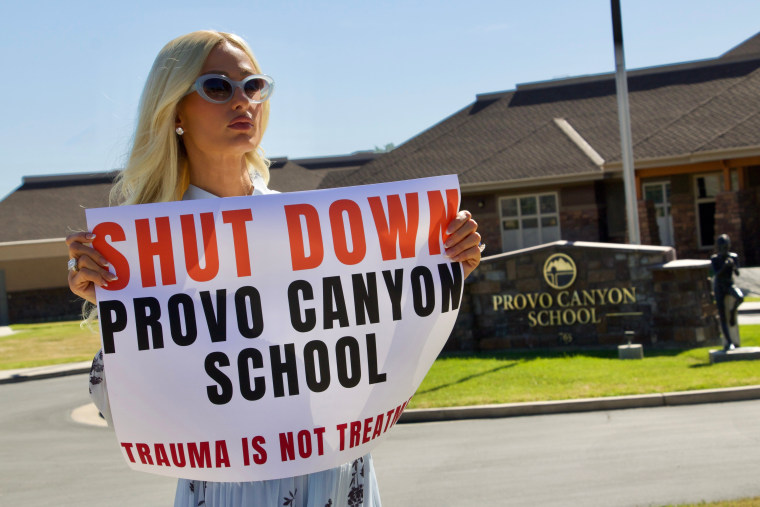
When the Provo campus license was revoked a week later, Hilton released a statement saying: “Today, I can finally say the words I’ve been fighting to say for years: Provo Canyon School is officially shut down. This horrific chapter of abuse, neglect, and trauma has finally come to an end.”
Survivors of the school celebrated the decision. In her statement, Hilton noted that for more than 50 years, children had come forward with stories of abuse, neglect, and trauma. She stated that she believes the state’s decision confirms what survivors have known all along: that Provo Canyon School failed the children in its care.
Shannon Thoman-Black, director of the division of licensing and background checks at the Utah Department of Health and Human Services, emphasized that the closure timeline was designed to protect current residents. Rather than forcing an immediate evacuation, the state is allowing time for families and other states to arrange safe transitions for children currently enrolled. Thoman-Black said the department would conduct weekly monitoring visits between now and the final closure dates to ensure resident safety.
The broader context of this case underscores longstanding concerns about the troubled teen industry. Advocates have documented extensive abuse across facilities in Utah, including allegations of sexual misconduct, excessive use of psychiatric medications, and dangerous restraint practices. Prior to 2021 reforms, state regulators marked treatment facilities as compliant 98 percent of the time despite ongoing abuse allegations, suggesting minimal actual oversight.
In 2021, following Hilton’s public testimony and other survivor accounts, Utah passed legislation known as SB127 requiring more frequent inspections, restricting certain restraint practices, and banning what regulators defined as cruel or unusual treatment. Despite these reforms, additional deaths and abuse allegations have emerged at other facilities since that time, with advocates calling for stronger federal oversight and additional state-level measures.