


Vice President JD Vance acknowledged Wednesday that the Trump administration bungled its handling of communications surrounding the release of the Jeffrey Epstein files, admitting in a lengthy podcast interview that the effort became a significant political liability for the administration.
“We absolutely screwed up the comms of the Epstein files,” Vance said during an appearance on “The Joe Rogan Experience” that premiered Wednesday. “If people want to say we mishandled the Epstein release, guilty. We did mishandle it — especially the communications of it.”
Vance’s comments represent among the clearest public acknowledgments yet from the Trump administration that the Epstein files release became a major political problem. The controversy over how the files were handled has dogged the administration since late 2025, inspiring criticism from conservative supporters and lawmakers across both parties.
Much of the criticism centered on the management by then-Attorney General Pam Bondi, particularly her February statement on Fox News claiming that an alleged “client list” of Epstein’s was “sitting on my desk right now.” The comment raised expectations that a major breakthrough document was imminent, but the Justice Department later contradicted Bondi by stating that no such client list existed. The administration also distributed binders labeled “The Epstein Files: Phase 1” to conservative commentators and influencers, a move that backfired when it emerged the contents largely were already public.
Vance said Bondi’s statements caused people to “mistrust” the administration’s transparency efforts, though he defended her intentions. “I know Pam. I like Pam. I don’t think there was anything malicious going on,” Vance told Rogan. “I think Pam was trying to respond to the political moment. I think she overstated what we had and what we didn’t have.”
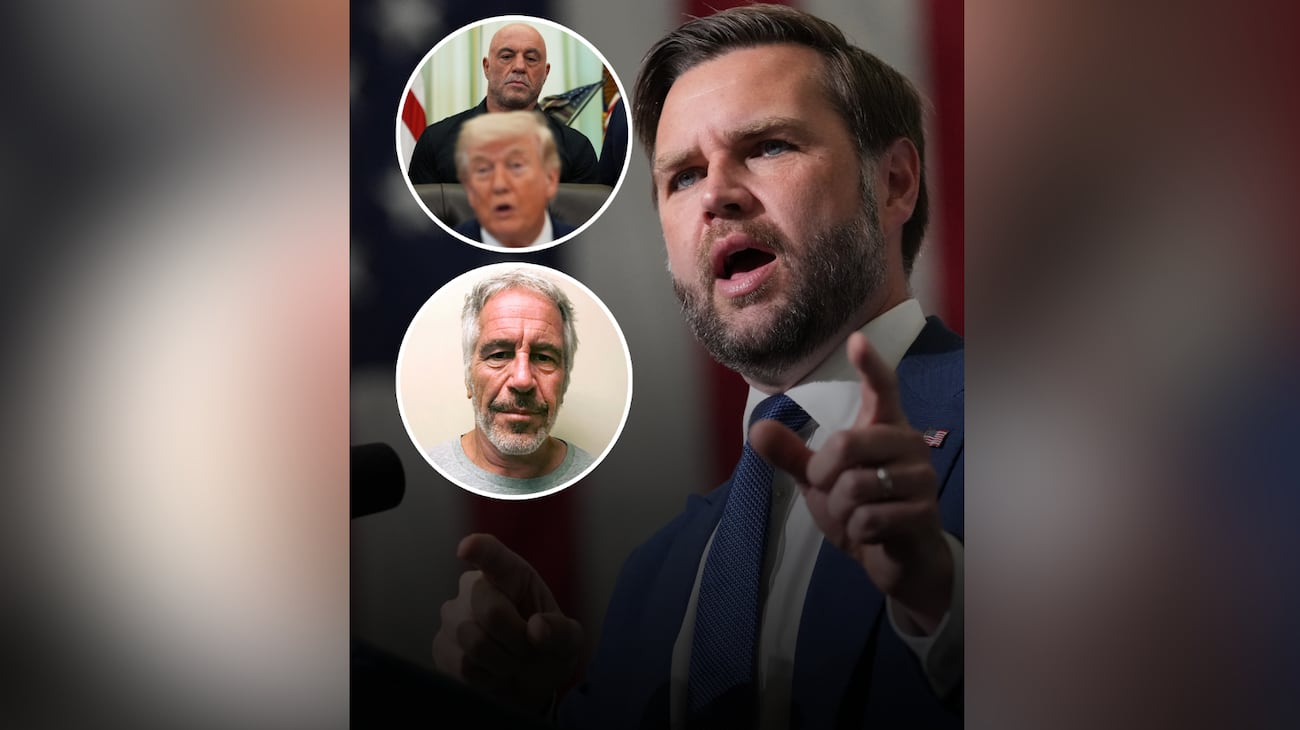
The controversy erupted after Congress passed the Epstein Files Transparency Act in November 2025 with near-unanimous support, requiring the Justice Department to release all investigative files related to the disgraced financier by December 19, 2025. The administration missed that deadline, instead releasing the first batch on the deadline date but failing to meet the full scope required by law. A much larger release of over three million pages followed in late January 2026, but the administration indicated that would be the final significant disclosure despite questions about whether millions of additional pages should have been released.
Vance suggested the administration should have taken a different approach from the start. “I think we should have just dropped everything at the very beginning and, like I was saying, it takes a little time to review the stuff, to find the stuff, to redact things where you have victims and so forth, but we should have just done it as quickly as possible,” Vance explained.
The vice president acknowledged that some redactions drew scrutiny, noting that distinguishing between victims and co-conspirators in the files proved challenging. He claimed some individuals listed in the files were victims who had allegedly helped Epstein procure other girls, complicating the redaction process. “What DOJ tried to do is make that judgement as best they could and release as much as possible,” Vance said.
The handling of the files created sustained political fallout for Trump and his administration throughout 2025 and into 2026. The controversy resonated particularly strongly with Trump’s most loyal supporters who had expected more comprehensive disclosure when Trump promised during his 2024 campaign that he would release the files to demonstrate government transparency.

Vance said he personally believes there is a “broader conspiracy” involving Epstein and possible high-level blackmail, but argued there is insufficient evidence to prove it. “There’s a story there and, you know, I will go to my deathbed believing there is a story there, but I can’t prove it. And I promise you there’s not some document, at least that I’m hiding, that allows us to prove exactly what was going on and how,” Vance said.
The Epstein files matter has also drawn attention because Trump’s name appeared in the documents more than 1,000 times. Trump has denied any wrongdoing in connection with Epstein and has not been charged with any crimes related to the financier. The Justice Department has said it complied with legal requirements for redactions and has indicated its work on the files is substantially complete.
Bondi was removed from her position as attorney general in April 2026, replaced by Todd Blanche. The House Oversight Committee has continued to scrutinize the handling of the files, and federal courts have ordered further releases of previously redacted material in response to legal challenges.