

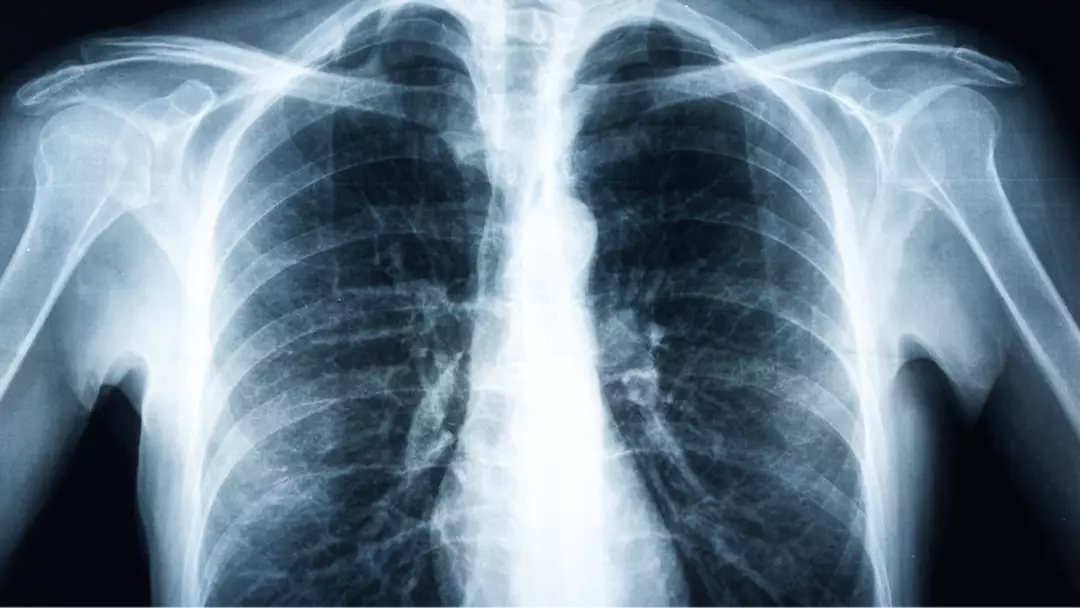
Medical professionals are on a quest for answers surrounding an enigmatic condition known as ‘vanishing bone disease’, as individuals globally deal with a disorder that causes parts of the skeleton to disappear.
The condition is formally referred to as Gorham-Stout Syndrome (GSS). It is so rare that most medical practitioners may never encounter it throughout their careers.
GSS is marked by gradual bone deterioration, where normal bone is eroded and substituted by unusual lymphatic and fibrous tissue. Despite years of study, its exact cause remains unidentified, leaving specialists confused.
The unpredictability of GSS adds another layer of complexity, as it has been diagnosed in individuals from infants to those in their seventies, although it more frequently affects those under 40.

Research has not established any consistent connections to gender, ethnicity, environmental factors, or infections, further deepening the enigma of its origin.
Biologically, the disorder involves the unusual growth of thin-walled blood or lymphatic vessels within the bone. This prompts the release of substances, including interleukin-6, that overstimulate the cells responsible for bone breakdown.
Gradually, the body inadvertently replaces hard bone with soft tissue, resulting in weakening, deformity, or total disappearance of the affected bone.
Symptoms widely vary based on the bones involved. Many patients endure swelling, chronic pain, and restricted movement, while even minor injuries can cause fractures due to extreme bone fragility. In advanced cases, limbs may shorten or deform, impairing mobility.
If the spine or skull is affected, the implications can be more severe, with some patients developing neurological issues such as paraplegia, cerebrospinal fluid leaks causing headaches and nausea, or sensory problems including hearing and vision loss. Some also experience deterioration of the jawbone, resulting in loose teeth and alterations in facial structure.
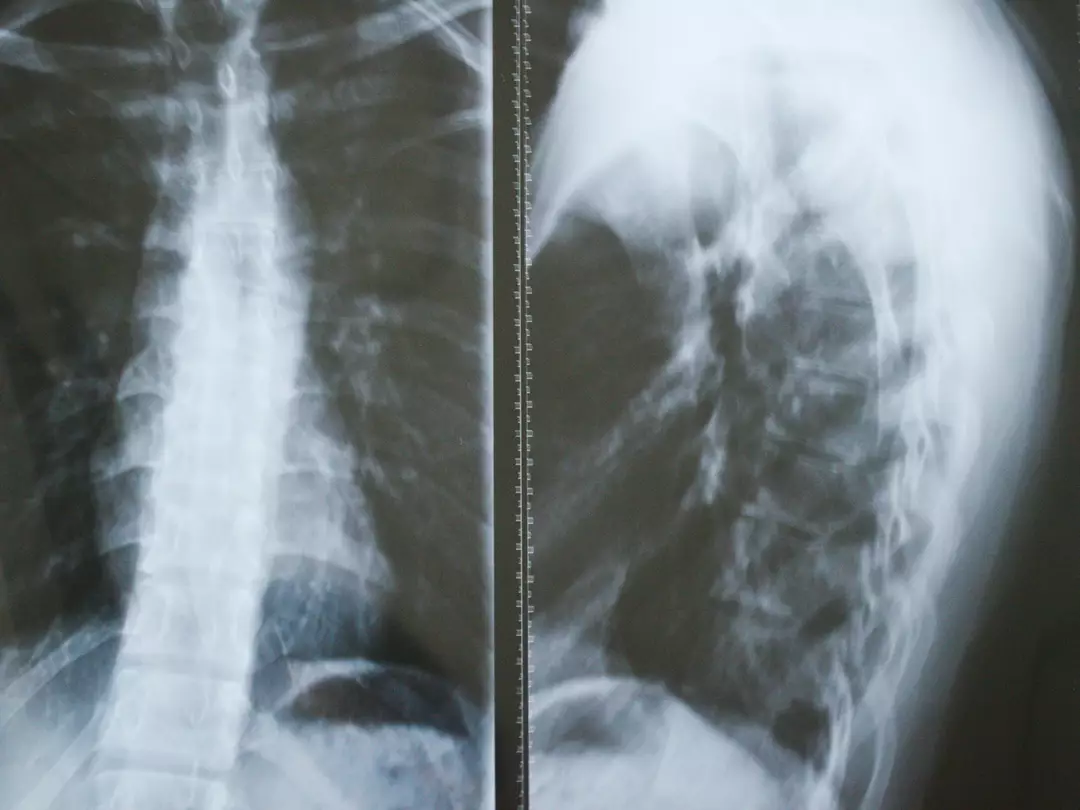
The disorder can also impact the chest, where leakage of lymphatic fluid may lead to breathing problems or hazardous fluid accumulation around the lungs or heart.
Diagnosing GSS is infamously challenging because its symptoms often resemble those of infections, cancers, or other bone diseases, resulting in prolonged delays before a correct diagnosis is achieved.
Healthcare professionals depend on imaging scans to monitor bone loss and usually confirm the condition through a bone biopsy, which reveals non-cancerous vascular tissue replacing bone.
Unfortunately, there is no cure at present, and treatment primarily focuses on alleviating symptoms and preventing complications.