


A tragic speedboat capsizing off Vietnam’s Phu Quoc Island has claimed the lives of 15 Indian tourists, prompting authorities to detain the vessel’s captain and launch a comprehensive investigation into the disaster.
The speedboat overturned Saturday afternoon while carrying 32 Indian tourists and four Vietnamese crew members on a return journey from Hon May Rut Ngoai Island to An Thoi Port. The vessel capsized less than half a kilometer from shore, forcing all passengers into rough seas with waves that rescue witnesses described as powerful and unpredictable. Twenty-one people were rescued, though two survivors remained in critical condition as of Sunday.
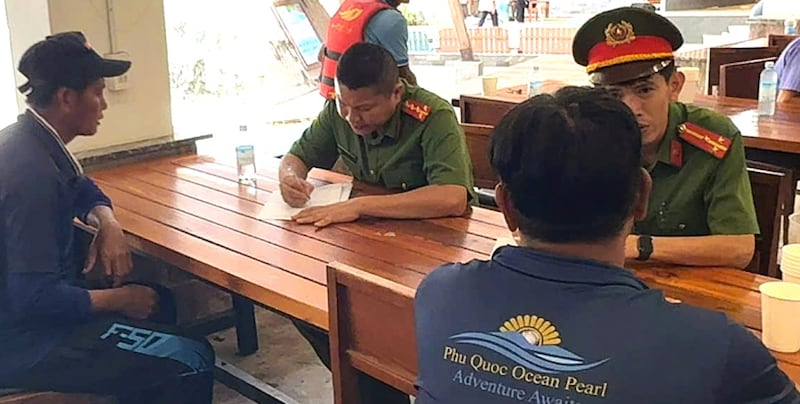
Vietnamese police detained the captain, Nguyen Hong Hai, 57, on Sunday in connection with alleged violations of waterway transport safety regulations. Authorities began their investigation immediately after collecting evidence and recording witness statements from the scene. The An Giang Provincial Police Investigation Agency is now interrogating the captain regarding his role in the tragedy.
Investigators are examining multiple potential factors that may have contributed to the capsizing. While weather conditions including rough seas and strong winds were documented at the time of the incident, authorities are also investigating whether overcrowding played a role. According to registration details, the speedboat designated as AG 26751 had a capacity of 34 passengers, yet it carried 36 people onboard—32 Indian tourists, three crew members, and one tour guide. The vessel also had a weight limit of 2.89 tonnes.
Eyewitness accounts suggest safety procedures may not have been fully observed. A witness cited by local media reported that while the captain instructed passengers to wear life jackets before departure, many carried them in their hands rather than wearing them properly. When the boat capsized, some passengers found themselves trapped inside and had to escape through the bow or windows.
The victims were participants in a company-organized trip arranged by Lava International, an Indian smartphone and consumer electronics manufacturer. The trip included employees, distributors, and retail partners of the company. The Indian Embassy confirmed that the deceased included 10 residents from Tamil Nadu, three from Andhra Pradesh, and two from Kerala.
Ashish Kumar, a 48-year-old distributor from Guntur who witnessed the accident from shore, described the harrowing moments after the capsizing. “The boat had not even gone half a kilometer when it just tipped over,” he told authorities. “We screamed for help.” Kumar noted that when survivors reached shore, there was no emergency medical care immediately available. Tourists and tour company staff improvised by performing cardiopulmonary resuscitation and administering oxygen to victims while awaiting professional medical teams.
The rescue effort demonstrated both coordinated response and local heroism. A nearby boat operator named Ha Van Loc spotted the overturned vessel around 12:40 p.m. Local time and observed about a dozen people clinging to the hull while others struggled in the water without life jackets. Unable to approach closely due to rough seas, Loc threw life buoys attached to ropes and rescued four survivors within ten minutes. He then alerted other vessel operators in the area, and within minutes, nearly a dozen boats and rescue teams arrived at the scene. Jet skis proved more effective than larger boats in the turbulent conditions and ferried survivors to shore one by one.
Vietnamese Prime Minister Le Minh Hung ordered a full investigation and directed authorities to hold those responsible accountable. He also requested that officials review waterway and maritime safety regulations in the region where the accident occurred. Indian Prime Minister Narendra Modi expressed his condolences, stating he was “extremely saddened” to learn of the tragedy. Modi affirmed that the Indian Embassy and Consulate were providing all possible assistance while remaining in close contact with Vietnamese authorities.
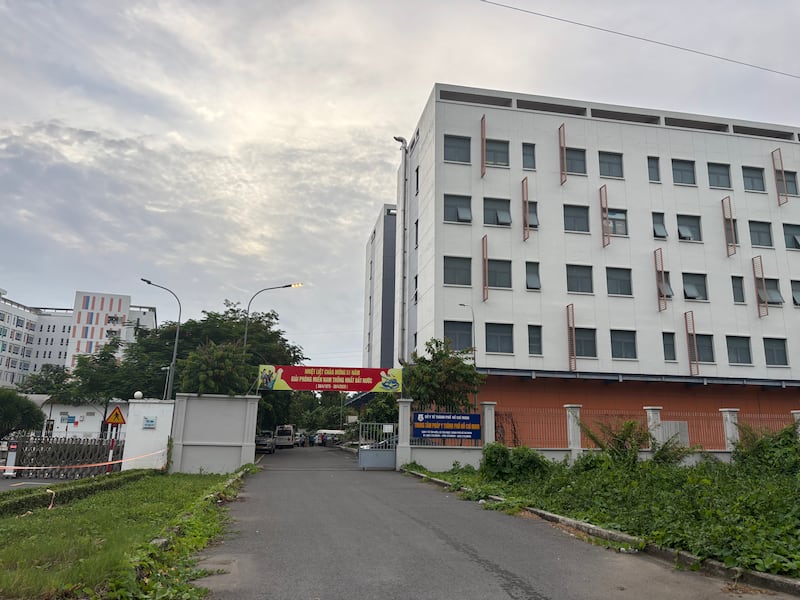
The Indian Embassy in Vietnam established emergency response centers in Hanoi and Ho Chi Minh City to coordinate assistance to affected families. By Sunday, 16 survivors had been discharged from Phu Quoc Sun Hospital and were preparing to return to India. One patient remained hospitalized in critical condition, receiving ongoing medical care. The mortal remains of the 15 deceased were transported to Ho Chi Minh City for processing before being flown to India following completion of official formalities.
Phu Quoc, located in the Gulf of Thailand, has emerged as one of Vietnam’s most popular beach destinations. The island’s attractions and nearby Hon May Rut Island, located about 10 kilometers south, draw millions of visitors annually with their white-sand beaches and clear waters. India represents one of Vietnam’s fastest-growing tourism markets. The Southeast Asian nation welcomed approximately 750,000 Indian tourists in 2025, nearly 50 percent more than the previous year, a growth authorities attribute to expanding direct flight routes between major Indian and Vietnamese cities and Vietnam’s liberal e-visa policy.
The investigation into the speedboat capsizing continues as Vietnamese authorities work to determine whether equipment malfunction, operational procedures, weather conditions, or other factors contributed to the disaster. Provincial officials have promised compensation to the victims’ families and injured survivors, with the An Giang Provincial Government and Phu Quoc leadership pledging 90 million Vietnamese dong per deceased and 13 million Vietnamese dong per injured person.