

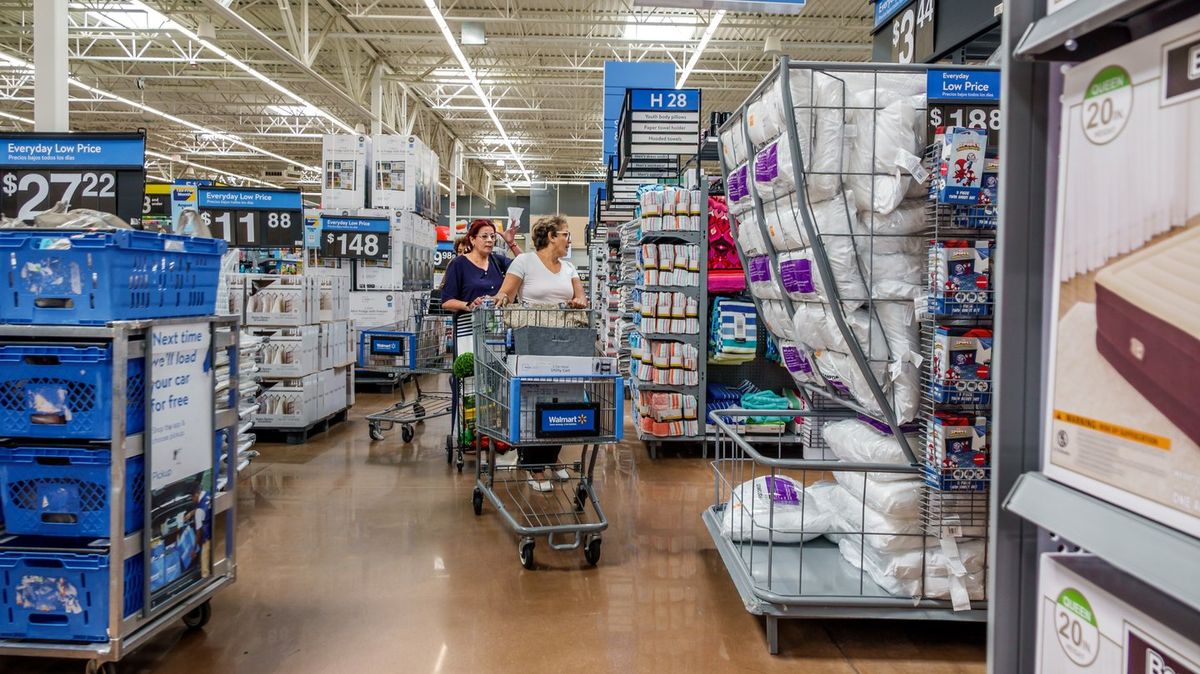
Shoppers across the US are set to see noticeable updates at two of the country’s biggest grocery players, Walmart and Costco, as new ‘seven-item’ requirements roll out later this year.
From cooler capacity to aisle organization, thousands of stores—along with many other chains—are expected to adjust their floor plans and product assortments in response to the ‘seven-item SNAP rule’.
The shift is pushing major retailers to reconsider what they carry and where it sits, because the rule applies to any store that accepts SNAP benefits (commonly referred to as food stamps).
Starting this Fall, SNAP-authorized retailers will need to meet tighter stocking standards intended to ensure households using benefits can more easily find healthier, more varied options—changes that could visibly reshape what many grocery stores look like.
Retailers that participate in the federal Supplemental Nutrition Assistance Program (SNAP) already have to follow baseline inventory rules when they choose to accept benefits.
Until now, those guidelines have given some stores more flexibility in how they stock ‘staple foods’, which has often translated into limited healthy choices in certain neighborhoods.
Under the updated approach, SNAP-friendly retailers must keep at least seven qualifying items available across the four staple food groupings (such as fruits and vegetables, dairy, grains, and protein options).
Supporters of the change say the goal is to help address ‘food deserts’—areas where people on lower incomes struggle to access fresh, nutritious food close to home.
The Department of Agriculture has said the revised standards are intended to encourage retailers to carry a broader mix of less processed items and narrow the gaps in access to healthier diets.
With roughly eight out of every 10 SNAP dollars spent at the nation’s largest retailers, the impact is expected to be especially pronounced for the biggest chains—meaning Walmart and Costco will likely feel the effects most.
The ‘seven-item SNAP rule’ is prompting these companies to reassess everything from distribution workflows to supplier relationships so they can meet federal compliance expectations.
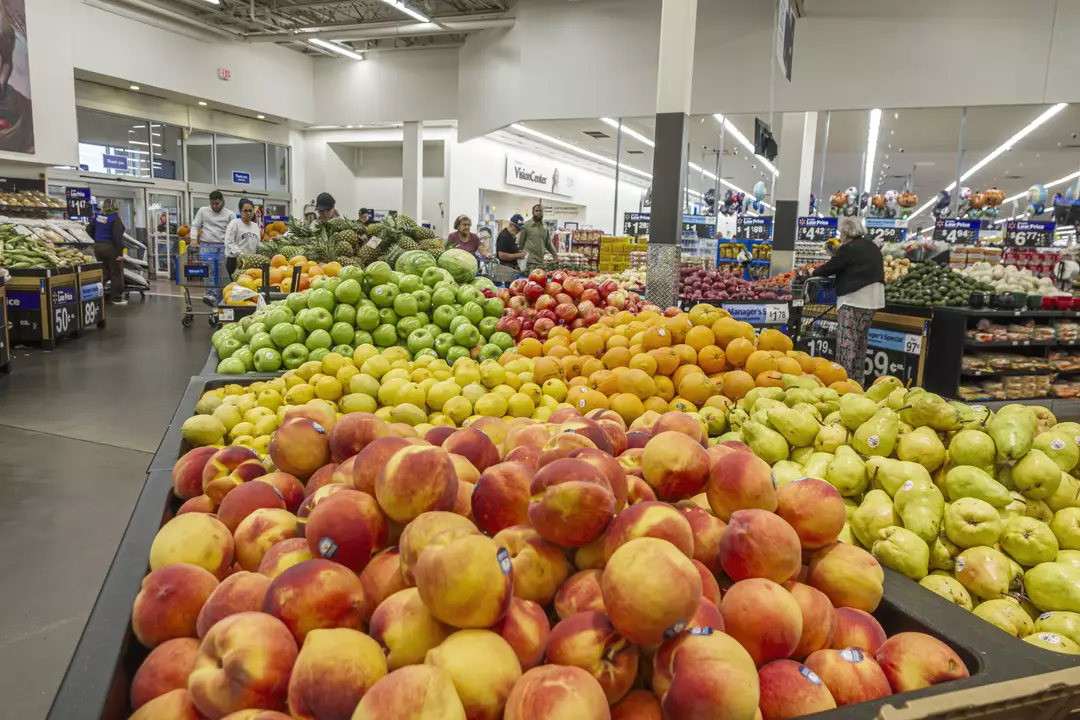
At Walmart, the adjustments are expected to translate into larger and more prominent produce areas in many locations, reworked dairy sections, and clearer separation of grain and protein offerings to ensure the required variety is consistently available.
The company’s layout changes are aimed at meeting the seven-item standard without relying on duplicate products to count toward requirements—while also reducing the risk of penalties linked to noncompliance.
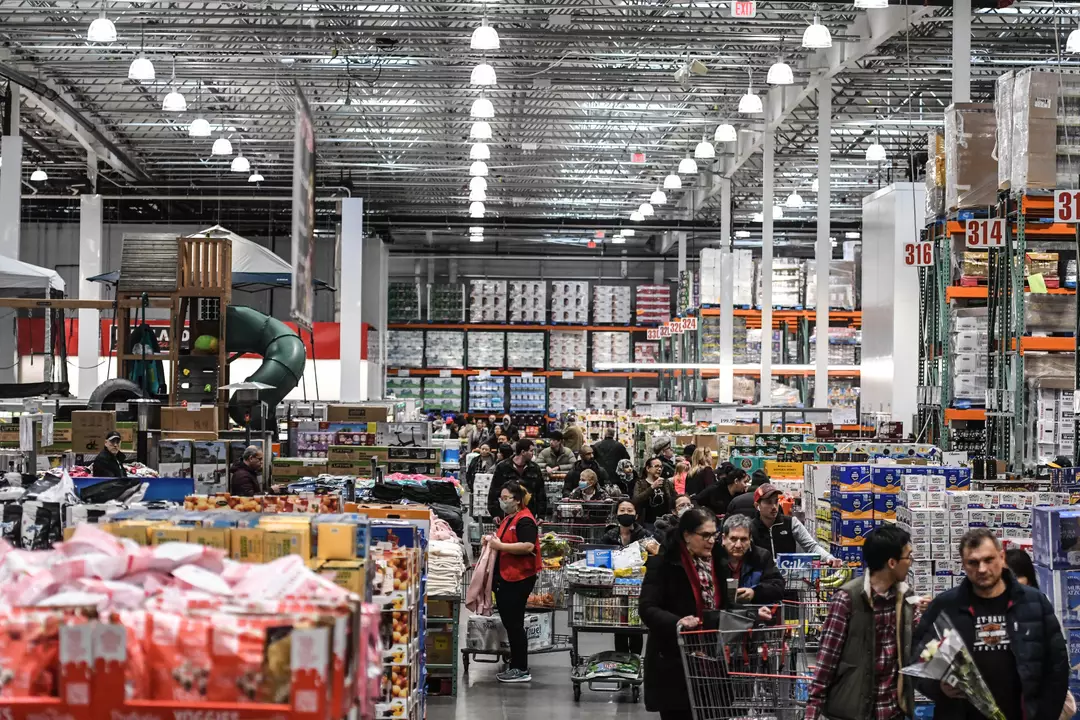
Costco, meanwhile, may face a different set of challenges because of its membership-based, bulk-focused model. Even so, it will still need to ensure it carries a sufficiently diverse selection of qualifying foods, with clearer presentation and packaging that aligns with SNAP rules.
According to NBSLA, the scale of the resets needed to meet the updated standard is expected to drive substantial changes to aisle organization and how key categories are prioritized in-store.
While the roll-out may be demanding for retailers ahead of Fall, supporters argue the impact for SNAP households could be significant—potentially improving everyday access to healthier basics for the roughly 42 million Americans who receive benefits through the program.