

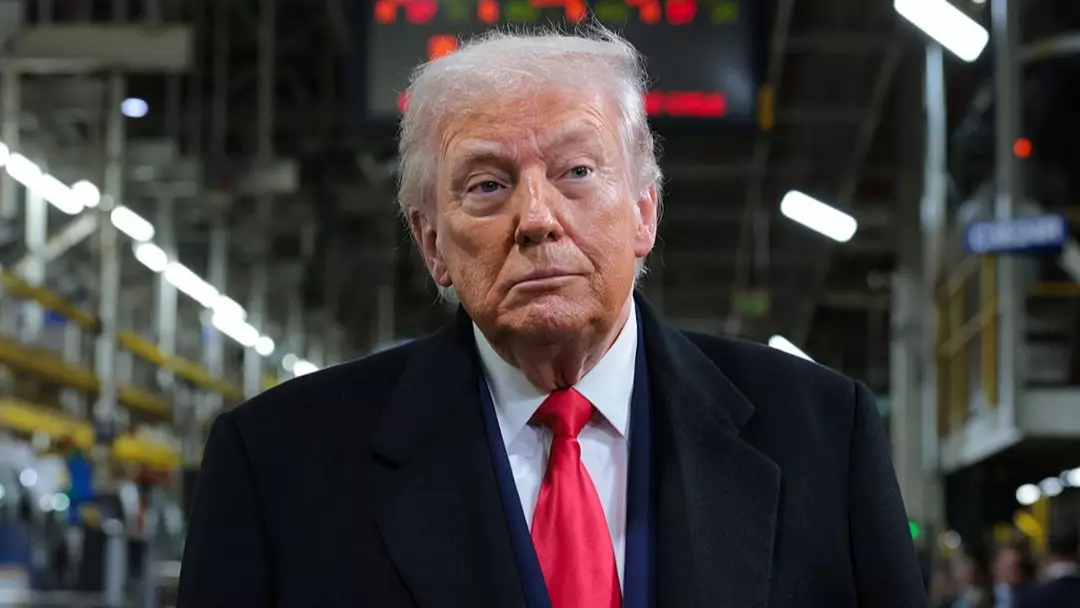
With rising tensions between the US and Greenland, Congress has potential measures to prevent Trump’s ambitions regarding the Denmark-governed territory.
Since Trump returned to office last January, he has been eager to pursue the acquisition of Greenland, the largest island globally.
Trump argues that the US ‘needs’ to own Greenland ‘now’ for national security reasons. However, his perspective is not universally accepted.
Strategically located between North America and the Arctic, Greenland plays a crucial role in early warning systems for missile attacks. Despite this, the Denmark-owned territory is not available for purchase, but this hasn’t stopped Trump from contemplating more aggressive measures.
In retaliation, Trump has proposed a 10 percent tariff on eight European countries, beginning in February.
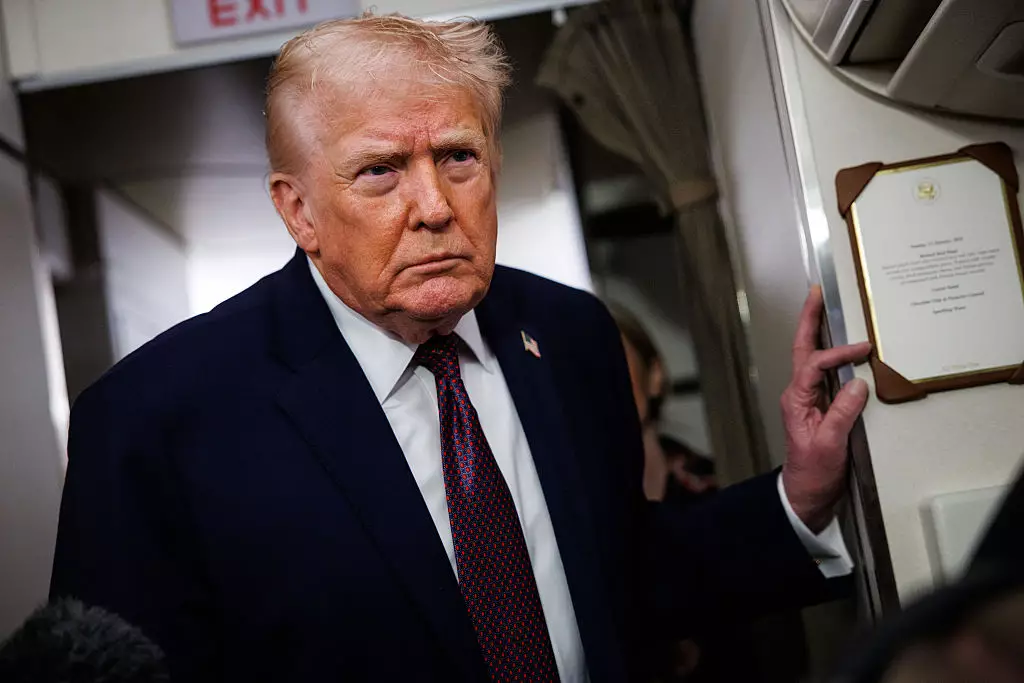
This tariff is set to increase to 25 percent by June if negotiations for a ‘complete and total purchase of Greenland’ do not succeed.
As fears grow about a potential conflict if Trump attempts to take over the island, Congress has a potential strategy to counter his plans.
Democratic Senator Chris Van Hollen has urged the US government to leverage the War Powers Resolution, according to ABC News.
“We could, for example, cut off any funds that could be used for military purposes with respect to Greenland; we could take action under the War Powers Resolution,” he said.
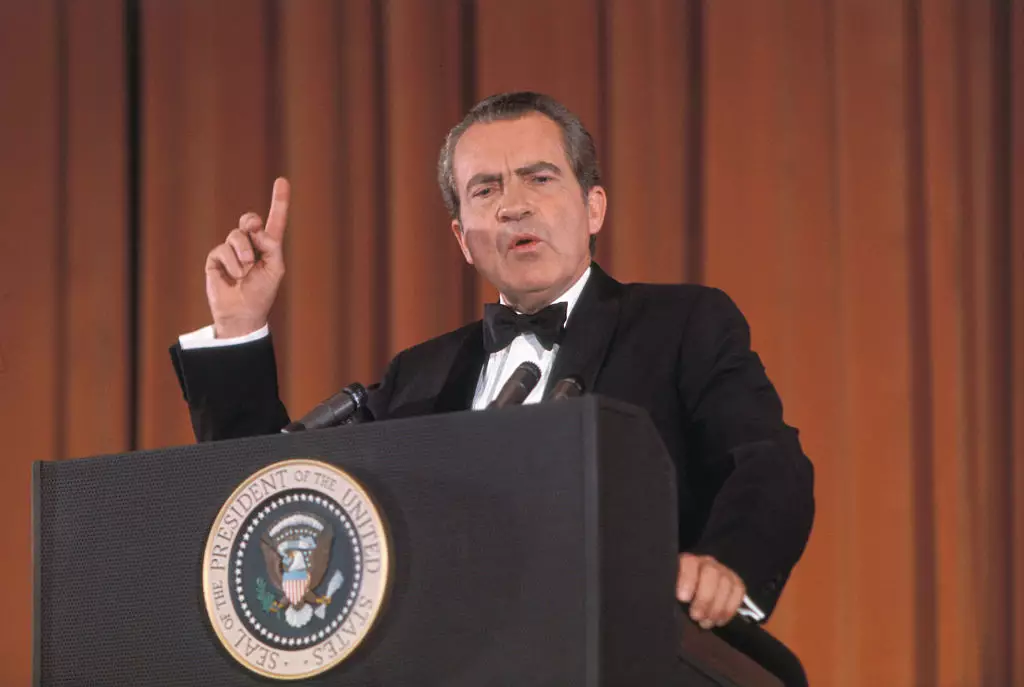
Also referred to as the War Powers Act, this congressional resolution aims to ‘limit the US president’s ability to initiate or escalate military actions abroad,’ as explained by the Nixon Library.

Passed in 1973 during the Vietnam War’s final stages, the Act was a response to the US’s deep involvement in the conflict without a war declaration.
It mandates the president to inform Congress within 48 hours of military action and restricts armed forces from staying beyond 60 days, plus a 30-day withdrawal period, without congressional approval or a war declaration.
This serves to prevent presidents from independently starting prolonged wars, allowing quick action in emergencies while leaving extended military engagement to Congress’s discretion.
However, the president can veto the Act.
Overriding such a veto requires a two-thirds majority in both the House and Senate, a threshold Democrats likely cannot meet.
Therefore, if a significant number of Republicans don’t oppose Trump, the resolution might not legally impede him.
Van Hollen remarked: “A lot of our Republican colleagues talk big until it comes time to vote. We saw that just this past week, where two Republican senators who had voted in favor of moving forward the War Powers Resolution on Venezuela backed off.
“So they have to stop giving Donald Trump a blank check.”