

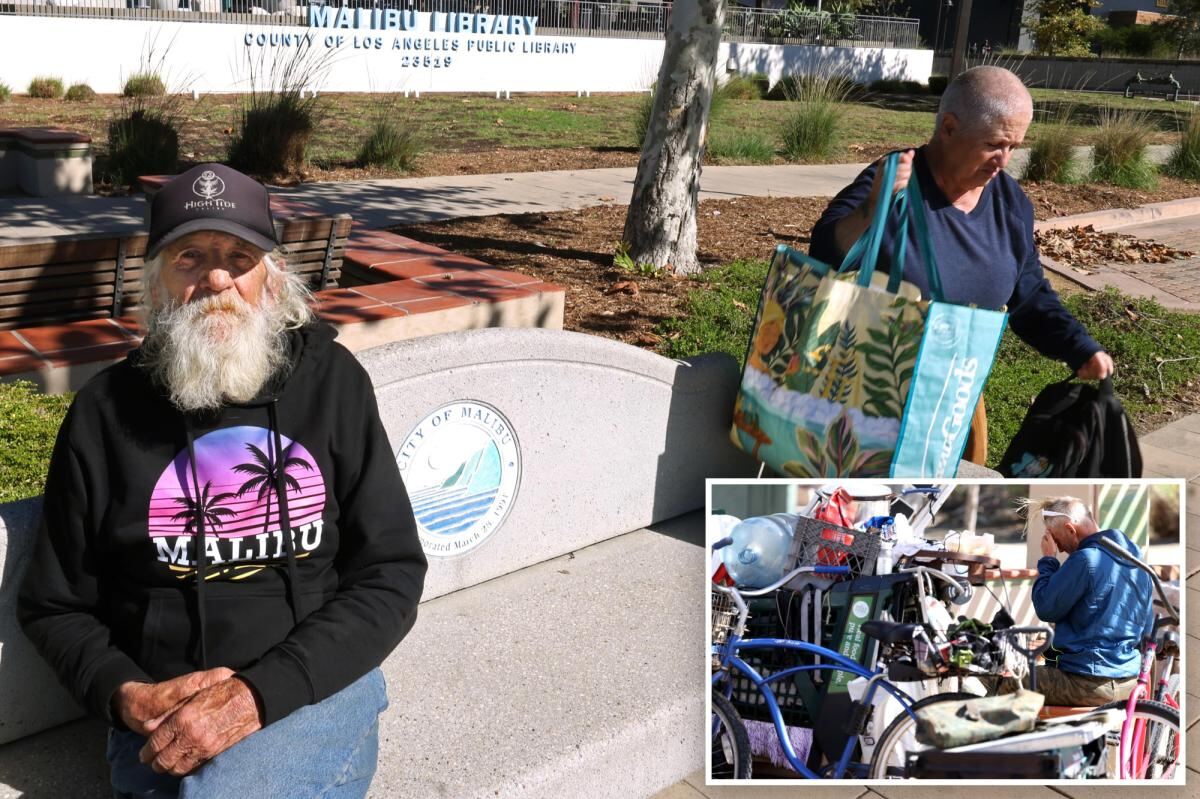
Malibu officials unanimously approved an emergency declaration allowing faster removal of homeless encampments as wildfire conditions worsen.
The Malibu City Council voted Thursday to declare the local emergency after live fuel moisture readings for Santa Monica Mountains chamise vegetation dropped to 63%, below the city’s 65% threshold for hazardous fire conditions. Mayor Bruce Silverstein announced the measure, which targets encampments in “Very High Fire Hazard Severity Zones” where drying vegetation now burns like dead brush.
“Declaring a local emergency provides an important proactive measure to reduce wildfire risk and protects lives and homes in Malibu as fire conditions worsen as we move towards the peak fire season,” Silverstein said in a statement.
The declaration dramatically shortens the timeline for encampment removals. Normally, California law requires cities to provide extensive advance notice to unhoused residents before clearing camps. Under the emergency order, Malibu can now conduct clean-ups and removals within one day in the designated high-fire zones.
The city’s most recent vegetation sample yielded 63% live fuel moisture, down from the previous measurement of 67%. Officials warn that live vegetation below 60% fuel moisture can burn with the intensity of dead brush, adding urgency as encampment fires pose escalating ignition risks.
Malibu Public Safety Director Susan Duenas emphasized that outreach efforts would continue even under accelerated removal protocols.
“Even in the midst of an emergency, the City remains committed to connecting individuals in need with resources, shelter, and support through our dedicated outreach teams,” Duenas said. “Same-day shelter placements are available through the County’s Emergency Centralized Response Center and will be offered to everyone our teams engage with. This balanced approach allows us to advance wildfire prevention and public safety, while treating those experiencing homelessness with dignity and compassion.”
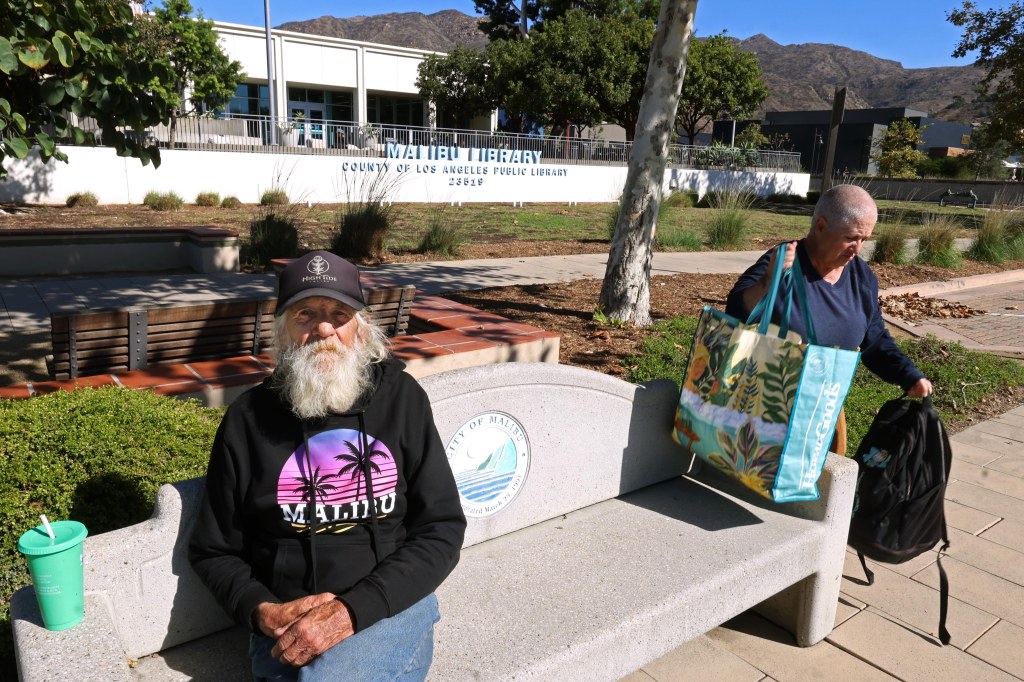
The local homeless population has declined significantly in recent years according to city counts. The 2026 tally recorded approximately 27 people with 16 makeshift homes, down from 46 homeless individuals in 2025 and 157 in 2021. Preliminary results from the January 2026 Greater Los Angeles Homeless Count showed 44 people experiencing homelessness in Malibu, including 33 individuals and 11 vehicles, continuing a multi-year downward trend since peaks of 239 in 2020 and 178 in 2017.
The emergency declaration will remain in effect until three specific conditions are met: Malibu receives 2 inches of rain, live fuel moisture reaches at least 80%, and no Fire Weather Watches or Red Flag Warnings have been issued for two weeks or appear in the extended forecast.
City staff and the Los Angeles County Sheriff’s Department have already been coordinating rapid response to fire threats from encampments. On September 11, teams cleared an encampment from the Zuma Creek area near Zuma Beach, removing tents, belongings and debris while offering interim housing through outreach partners. A September 24 cooking fire at an encampment along Stuart Ranch Road prompted immediate removal and debris clearance, marking the first homeless-related fire in 2025 requiring Fire Department response.
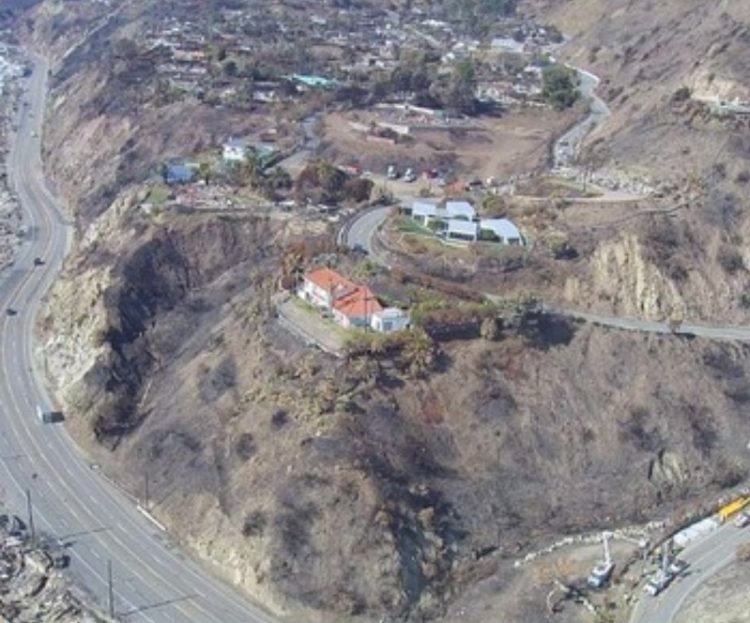
The Palisades Fire swept through Malibu in January 2025, destroying homes and claiming lives. Human remains were found in at least one residence decimated by the blaze, and much of the city’s coastal property was eviscerated. Residents continue struggling with rebuilding nearly a year later, as red tape and steep construction costs have pushed some homeowners to sell their lots rather than rebuild. Those who have begun reconstruction report approximately a year of bureaucratic delays before breaking ground.
The city has used similar emergency declarations in previous fire seasons, including 2021 and 2022, when encampment-related fires dropped from 23 to four following expedited removal protocols. Malibu cleared 44 encampments in both 2024 and 2025, up from 29 in 2023, providing advance notice, outreach services and environmental cleanup under normal procedures.
The Malibu/Lost Hills Sheriff’s Station has also expanded enforcement tools in recent months, with a drone program approved in mid-September to enhance public safety response across the fire-affected coastal area.