

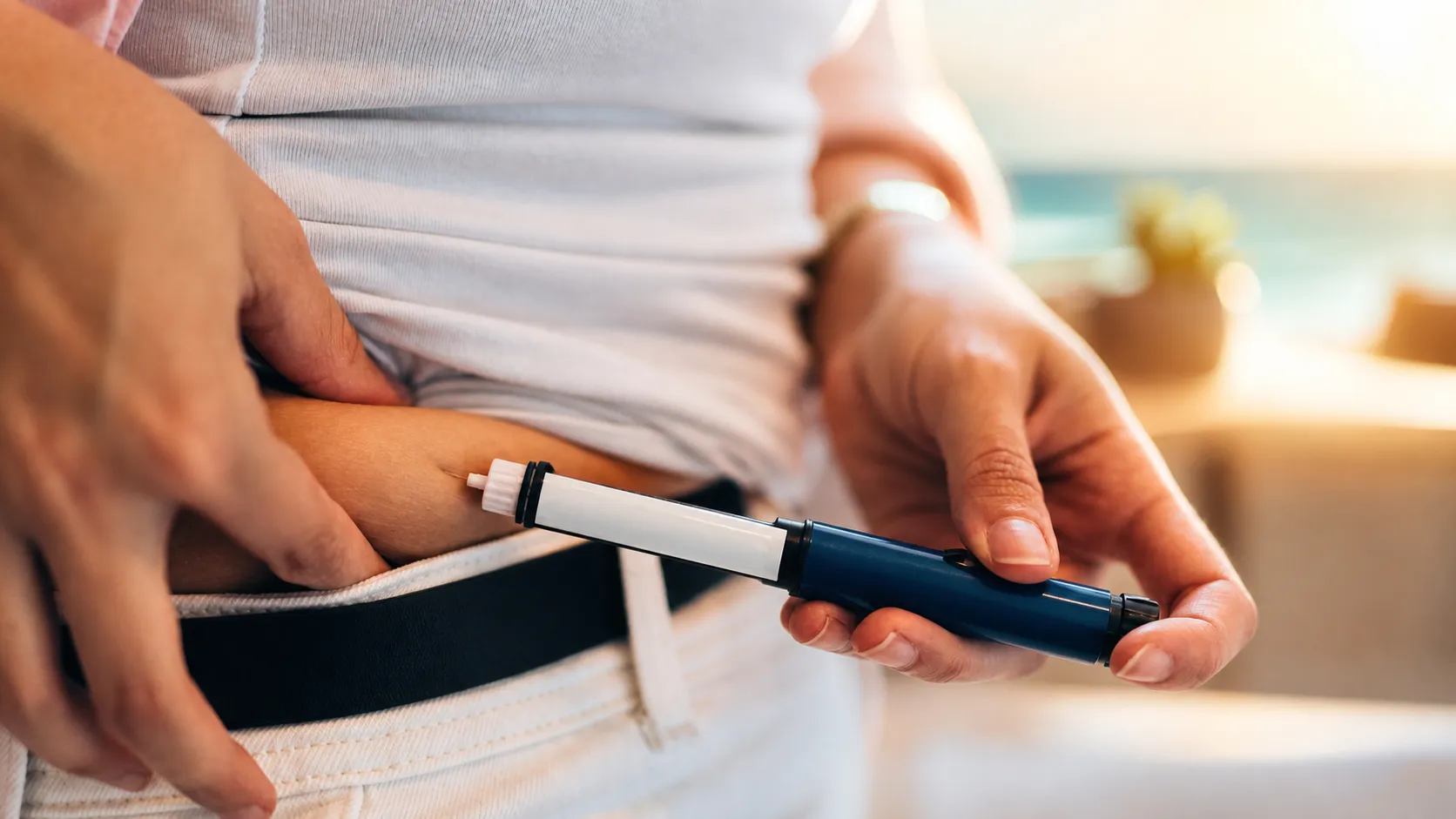
Summer may be here, but anyone thinking a last-minute course of GLP-1 injections will deliver quick vacation-ready results may want to reconsider.
As the holiday season approaches, plenty of people feel the pressure to look and feel their best before heading off somewhere sunny, whether that’s overseas or closer to home.
But Caroline Balazs BSc, MSc, IP, a weight loss specialist and founder of SkinnyJab, says starting weight loss jabs immediately before a trip can be a bad move.
Although it may seem like an ideal moment to kick off a health plan, she warns the timing can bring a string of unwanted issues that could end up overshadowing the break itself.
That warning also fits with current prescribing guidance for GLP-1 medicines such as semaglutide and tirzepatide, which are intended for long-term weight management, not rapid holiday prep. Doses are typically increased gradually over weeks to help the body adjust, and many people experience the strongest gastrointestinal side effects during that early titration period.
Earlier, Dr Donald Grant, GP and Senior Clinical Advisor at The Independent Pharmacy, also advised caution during hot weather.
‘to maintain wellbeing and ensure the treatment remains safe and effective.’
Balazs says there are additional reasons not to begin the medication just before travelling.
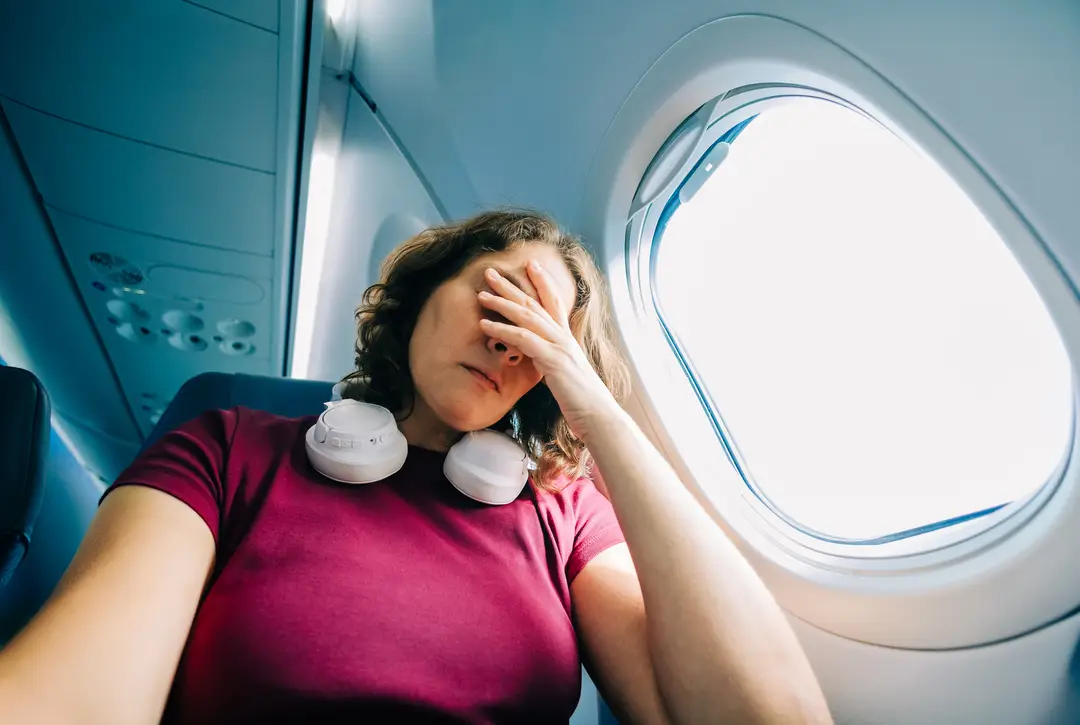
“Starting a GLP-1 medication like semaglutide right before a holiday is one of the biggest timing mistakes people can make.”
She said she can see why the idea appeals to people.
‘understand why people do it’
She said many simply
‘want to feel slimmer, more confident and more in control before they go away’.
Still, she warned that the reality can be very different.
“In reality, they may be swapping holiday confidence for nausea, dehydration and stomach issues.”
According to Balazs, the beginning of treatment is often the most difficult period, especially when someone is about to travel.
‘first few weeks are usually when side effects are at their strongest’
She said that’s because the body is still getting used to the medication and the way it affects digestion and appetite.
‘our body is adjusting to a medication that changes how your gut moves and how your brain responds to food, so nausea, vomiting, diarrhoea, appetite changes and food aversions can all hit before you’ve seen any real weight-loss benefit.’
“That’s not something you want to discover on a long-haul flight, in hot weather, on a boat trip, or at a restaurant you’ve been looking forward to,”
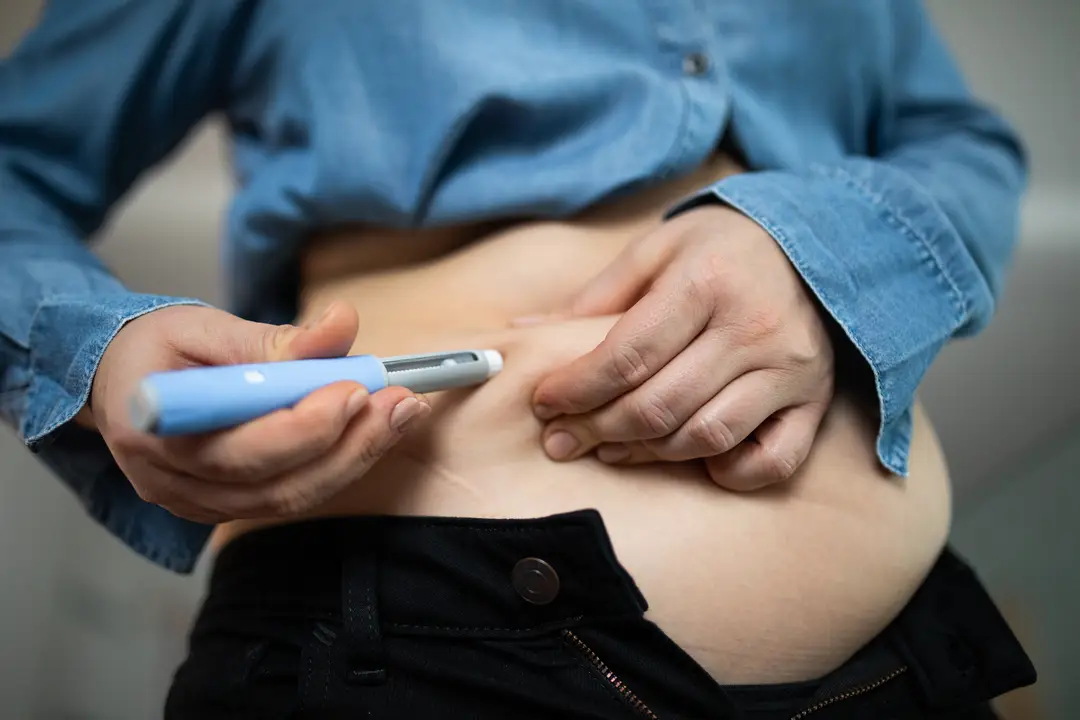
Balazs also said the medication slows gastric emptying, meaning food remains in the stomach longer than usual.
‘sits in the stomach for longer’
She warned that when this is combined with being away from home, the effects can feel even worse.
‘travel, heat, alcohol or unfamiliar food, it can make you feel really unwell.’
GLP-1 medicines can also interact badly with the realities of travelling in summer. Common side effects include nausea, vomiting, diarrhoea, constipation and reduced appetite, and those symptoms can make it harder to stay hydrated, especially in hot weather or on long journeys. Some product labels also warn about dehydration-related complications, including kidney problems, if vomiting or diarrhoea becomes severe.
“People need to be really honest with themselves about why they want to start right before a holiday. If the hope is that they’ll suddenly feel slimmer, more confident or ‘holiday ready’ within two weeks, that’s not realistic. Meaningful weight loss takes months, not days, and what they’re more likely to notice early on is nausea, diarrhoea, food aversions, dehydration and a holiday spent feeling anxious about their stomach rather than enjoying themselves.”
“I call it ‘all side effects, no payoff’. The medication may be very effective over time, but the first few weeks are not usually the glamorous transformation stage. They are the adjustment stage.
Dehydration is another risk people underestimate. If you’re vomiting or experiencing diarrhoea and you’re somewhere hot, you can lose fluids quickly. In some cases, dehydration can become serious enough to need medical attention, so it’s not a risk I’d encourage anyone to take lightly.”
Beyond the health concerns, she said there are also practical problems to think about when travelling with GLP-1 medication.
“There’s also the practical side. GLP-1 medications usually need to be kept refrigerated before opening, and travelling with them means planning ahead with a medical cool bag, hand-luggage rules and sometimes a doctor’s letter,”
“That’s manageable if you’re already established on the medication, but it’s a lot to juggle if you’re brand new and don’t yet know how your body will respond.”
Her advice is that starting the treatment too close to a trip can mean taking on the drawbacks before any noticeable benefits arrive.
“The risk is that someone spends months saving for a trip, then starts a new medication at the worst possible moment and ends up scared to eat, scared to drink, or too unwell to enjoy the holiday they were trying to feel better for.
So if you start just before a holiday, you may be taking all of the downsides with none of the benefits yet. If you’re already on a GLP-1, speak to your prescriber before travelling. If you’re thinking of starting one before a holiday, it’s usually better to wait until you’re back, settled, and able to monitor your body properly,”
In short, if a summer getaway is just around the corner, waiting until you return may be the safer and more sensible option.
That does not mean people should avoid GLP-1 medicines altogether. For many patients, they can be an effective part of a longer-term treatment plan for obesity or weight-related conditions. But starting them well ahead of travel, rather than days before a flight or beach break, gives people a better chance to understand side effects, settle on the right dose, and travel without added discomfort.