

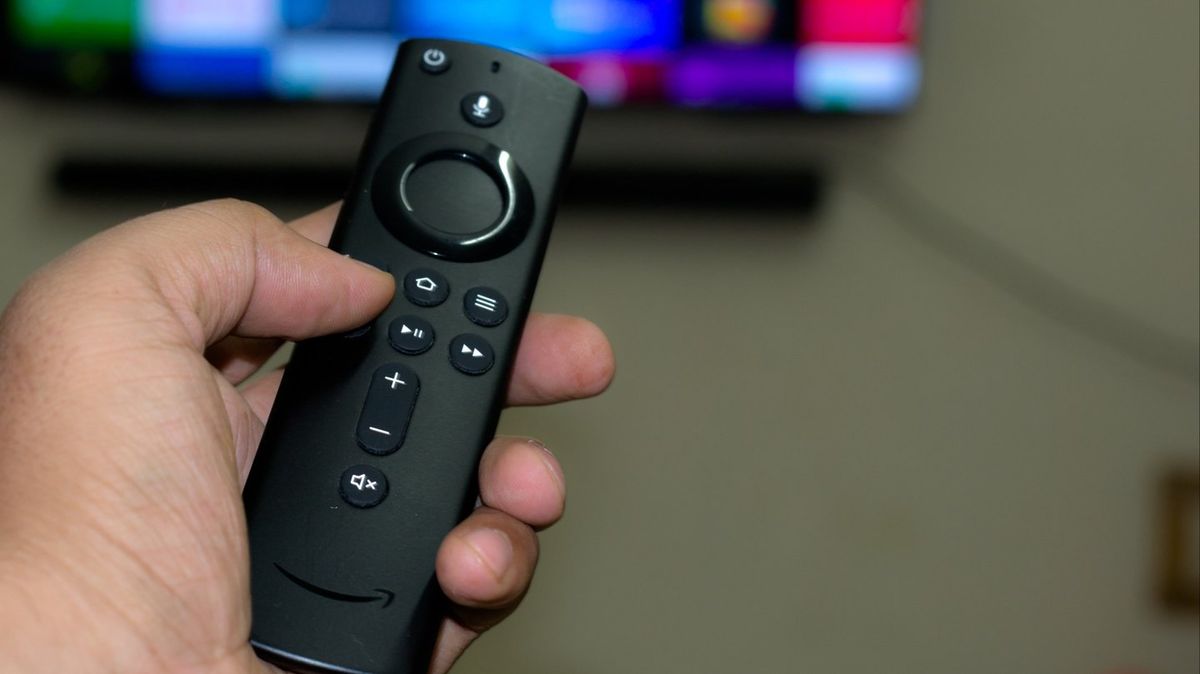
A class action lawsuit has seen Amazon accused of ‘bricking’ Fire TV Stick devices, but what exactly does the term ‘bricking’ mean?
The legal action was filed in California by Bill Merewhuader against Amazon.com Inc. And Amazon.com Services LLC.
According to a report from Top Class Actions, Merewhuader alleges the company knowingly sold devices that later became ‘bricked’.
When the Fire TV Stick first and second generation models were marketed, they were promoted as offering instant access to films and TV shows through major streaming services.
However, Merewhuader argues that even if the hardware itself still works, customers were effectively misled because the devices allegedly lost key capabilities as a result of ‘bricking’.
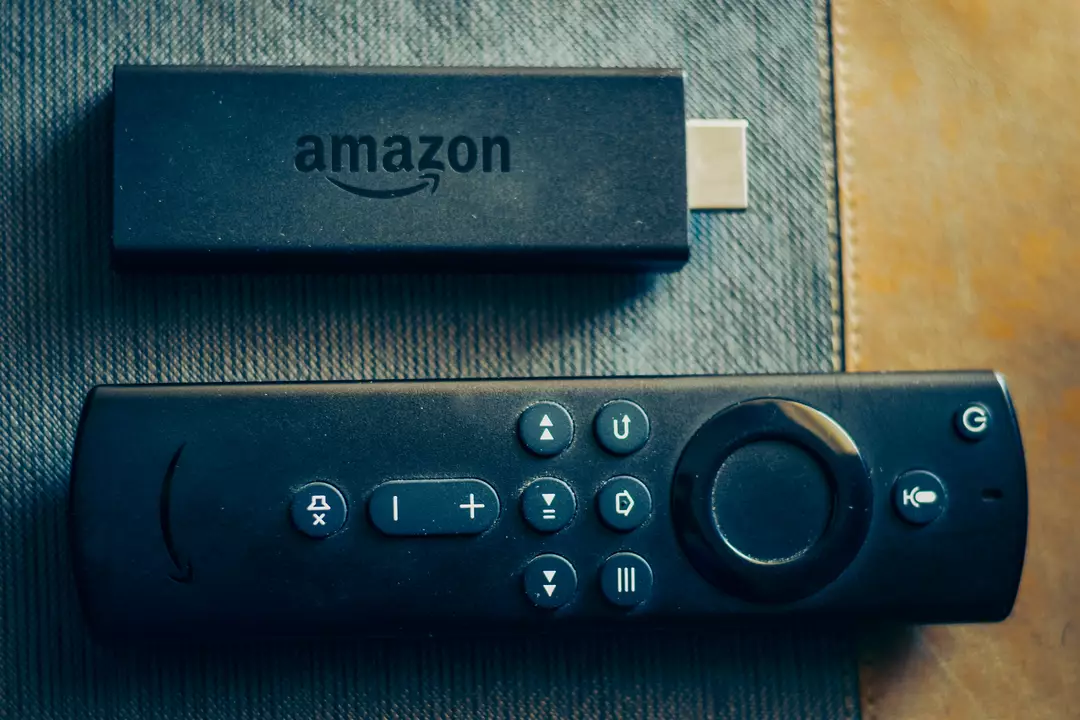
‘Bricking’ refers to when a piece of hardware becomes largely unusable—or far less useful—not because it’s physically broken, but because the software it relies on is no longer supported.
To illustrate, imagine you’ve owned a phone for five years. It still functions perfectly, it hasn’t been damaged, and there’s no obvious fault.
Then a required software update arrives to keep core features working. But when you attempt to install it, you’re told your model can’t run the latest version. Even though the hardware is fine, the device is effectively unusable—turning it into a ‘brick’.
This idea is often discussed alongside planned obsolescence, where products are designed or managed in ways that push consumers toward replacing them sooner than necessary.
In this case, Merewhuader claims Amazon reduced the usefulness of older Fire TV Stick models by ending software support, despite the devices allegedly still having remaining functional life from a hardware standpoint.
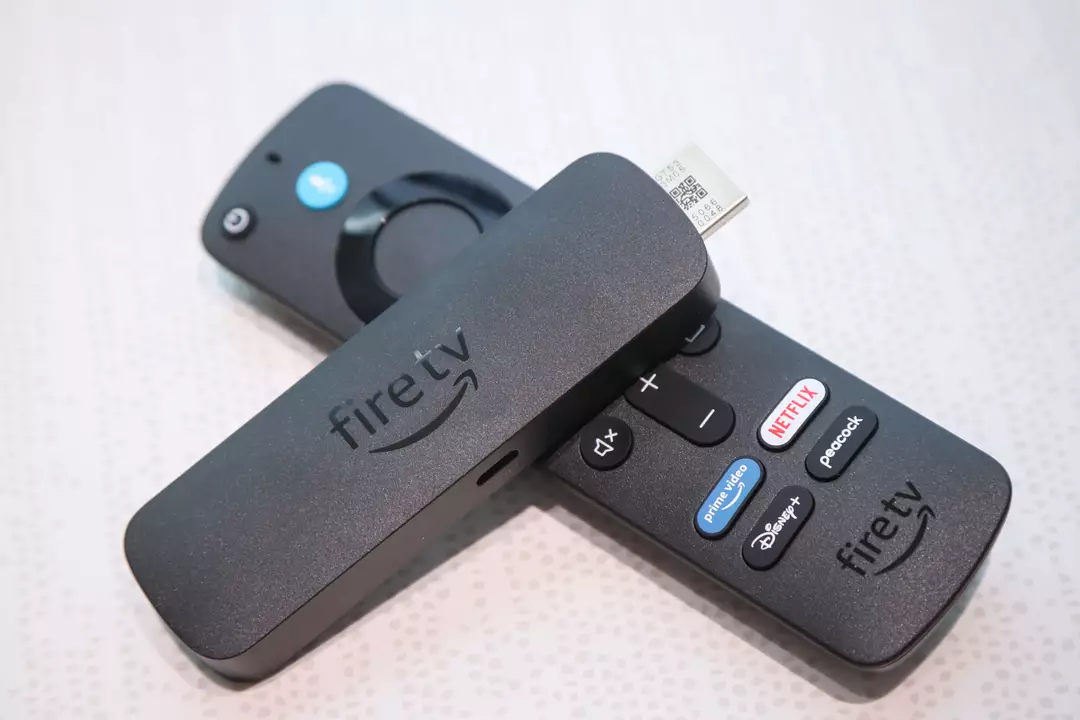
He further alleges the process began in 2022, when software support ended for first generation devices and later for second generation models—despite claims that support would continue until 2024.
The promise of ‘instant’ access sits at the center of the complaint, with Merewhuader arguing that once support was withdrawn, devices allegedly became slower, harder to use, or stopped functioning properly altogether.
The lawsuit seeks damages and compensation.
As of now, Amazon has not issued a public statement about the case.