

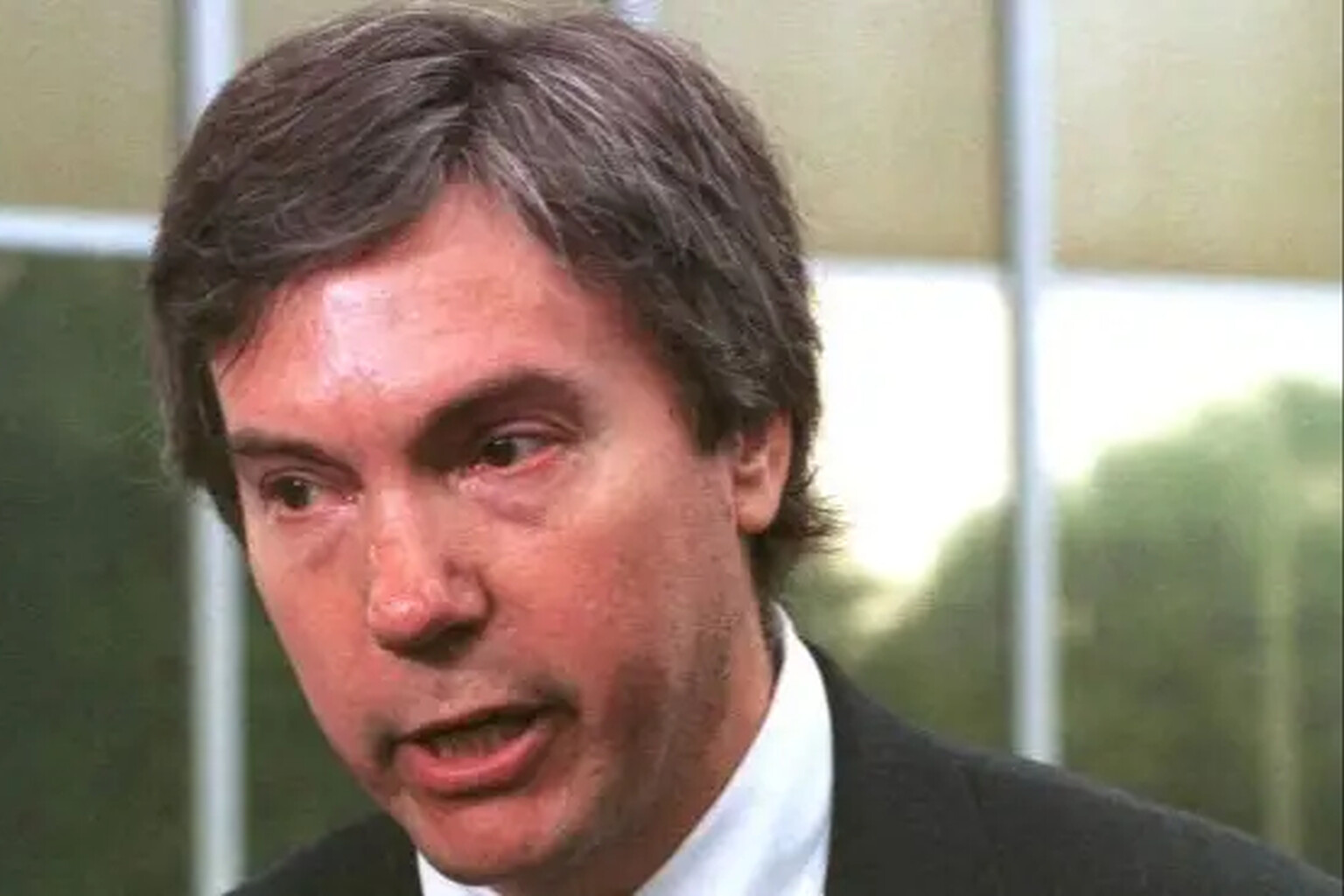
David Kaczynski, 75, has spent nearly three decades living with the aftermath of the phone call that ended his brother’s bombing spree and their bond alike.
The younger brother of Theodore “Ted” Kaczynski, the domestic terrorist known as the Unabomber, David has emerged from relative seclusion to discuss the permanent fracture caused by his decision to contact the FBI in 1996. He and his wife, Linda Patrik, had retired to a Buddhist monastery in Woodstock, New York in 2015 before relocating to Texas, where he now reflects on a choice that saved lives but cost him his only sibling.
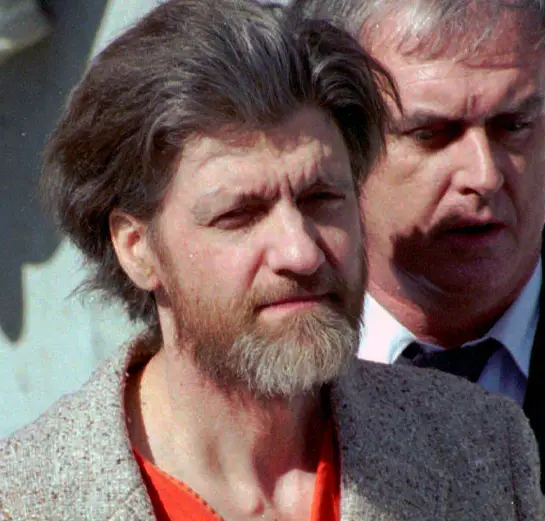
The tipping point arrived in September 1995, when the outlet and the outlet published the Unabomber’s 35,000-word manifesto at the FBI’s request. Patrik urged her husband to read it and was the first to suggest Ted’s authorship. David, who had worked alongside his brother at a Montana zinc smelter and helped purchase the remote land where Ted built his cabin, recognized the distinctive prose immediately. “Without Linda, I probably would have shoved it in a drawer and tried my best not to think about it,” he said.
David’s tip led agents to arrest Ted at his Montana cabin in April 1996. The older brother, then 53, pleaded guilty to all charges in the 17-year campaign that killed three people and injured at least 23 others, accepting life without parole rather than risking the death penalty. He died by apparent suicide in federal prison in June 2023.
The brothers, raised in Evergreen Park, Illinois by first-generation Polish American parents, had been close in childhood despite a seven-year age gap. David later taught English and pursued his own novel while Ted retreated deeper into anti-technology ideology and isolation. After the arrest, David attempted to bridge the chasm he’d opened, writing dozens of letters over nearly three decades, funding Ted’s commissary account, and sending books. Ted rarely responded and never placed David on his visitors list.
From prison, Ted accused his brother of betrayal rooted in envy, writing that the informing stemmed from “your own gnawing sense of inferiority” and describing his imprisonment as “a fate far worse than death,” according to letters David later made public.
David found an unexpected connection with Gary Wright, a surviving victim injured by a bomb left outside his Utah computer store in 1987. The two men appeared together at a Yom Kippur event shortly after Ted’s death, where David called Wright “my brother in spirit.” He explained that “we were both on healing journeys of a sort, and we had so much in common.”
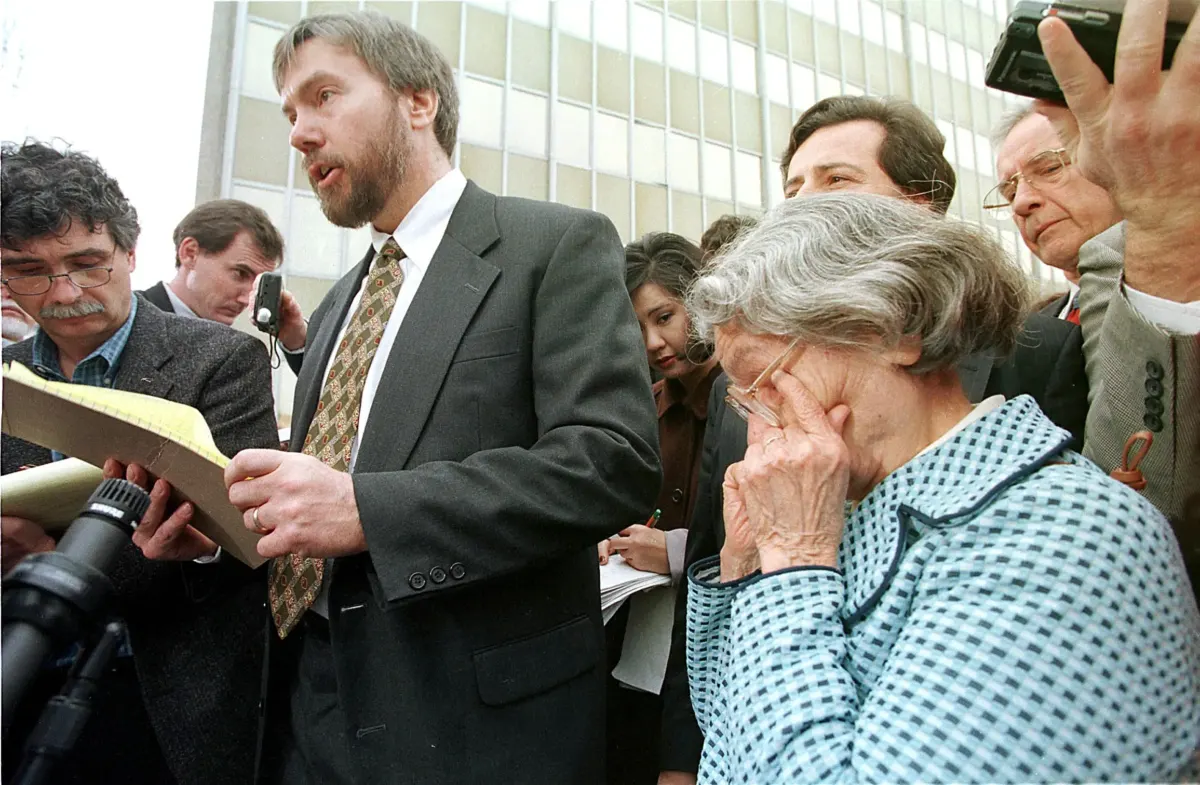
The Kaczynski case resurfaced publicly with the Netflix premiere of “Unabomber” on September 25, a film starring Jacob Tremblay that dramatizes Theodore’s crimes. David had already stepped into the spotlight sparingly, publishing his 2016 memoir “Every Last Tie: A Memoir of the Unabomber and His Family” and delivering talks on mental illness and family trauma.
The bombing spree that David ended had begun in 1978 and continued until his intervention, making it the longest-running domestic terror campaign in American history. Ted targeted universities, airlines and technology professionals with increasingly sophisticated parcel and pipe bombs, earning the FBI codename “UNABOM” for his early victims. The manifesto publication was a desperate gambit by investigators to generate leads; they could not have anticipated it would be the bomber’s own brother who recognized the voice behind the violence.
David has not softened in his assessment of the personal price. “There aren’t gonna be any innocent victims now, but maybe gonna have to go through the rest of my life with my brother’s blood on my hands,” he said, capturing the irreconcilable weight of preventing further deaths while severing his family tie.
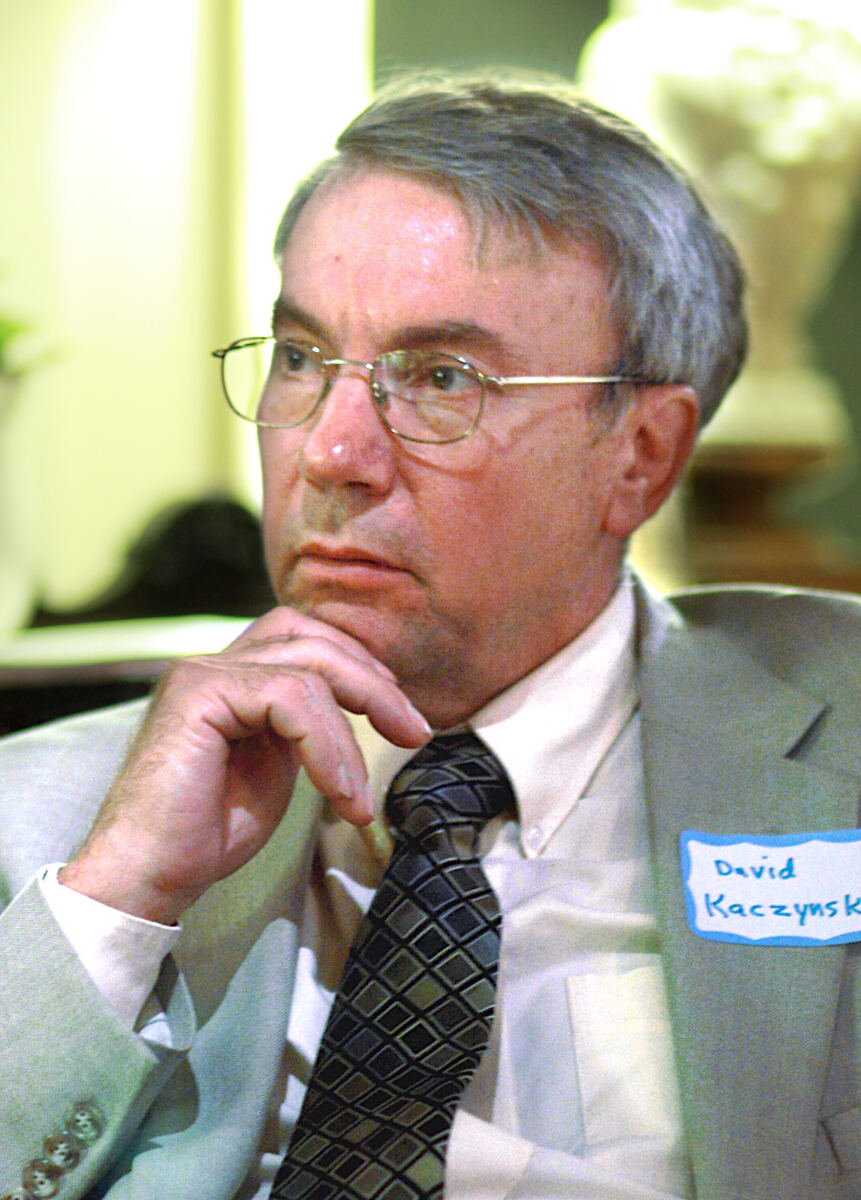
He continues his advocacy work and maintains his friendship with Wright, finding community in shared survival rather than shared blood.