

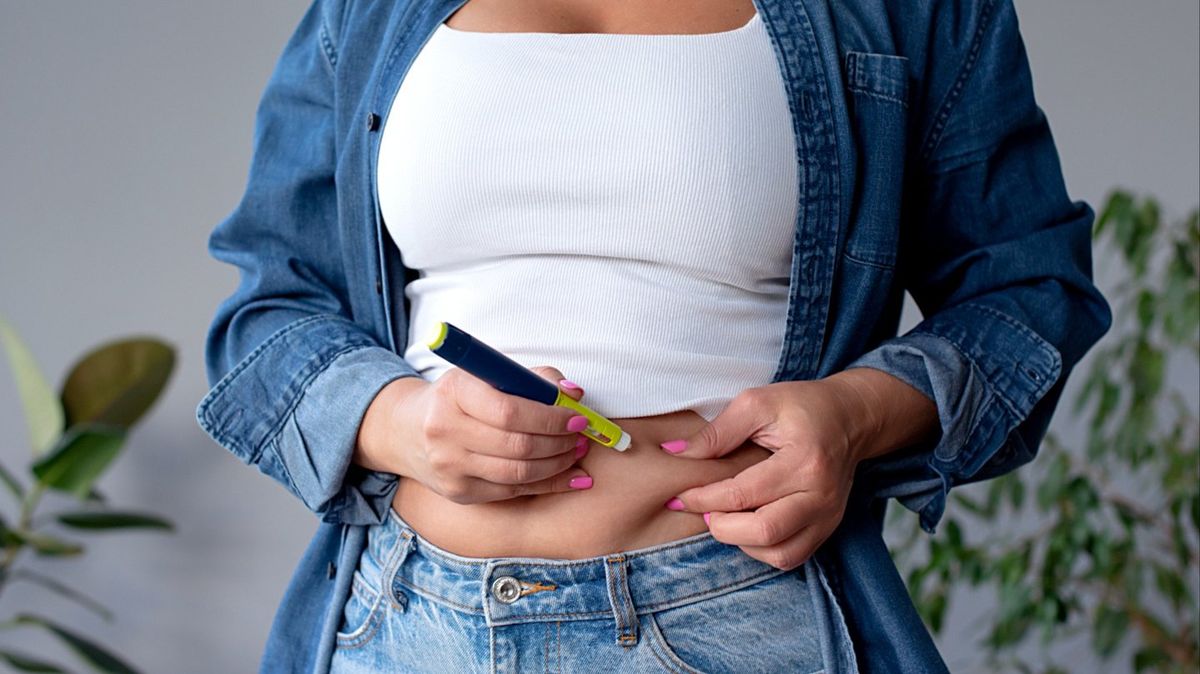
GLP-1 medications prescribed for obesity and diabetes have quickly become some of the most widely used drugs in the US, and reports suggest around one in eight Americans now uses treatments such as Ozempic, Mounjaro, and Wegovy.
Although many people take these semaglutide-based drugs and lose weight without serious complications, no medication is risk-free. Taking too much can happen, and overdosing is possible.
When side effects are reported, they commonly involve ongoing nausea, vomiting, and diarrhea. These Glucagon-like peptide-1 (GLP-1) drugs were first developed for diabetes, but they’re now frequently prescribed for weight loss because they reduce appetite and help people feel full for longer.
As demand has surged, so have reports of people accidentally giving themselves more semaglutide than intended. Many users also aren’t sure what an overdose looks like or what symptoms should trigger concern.
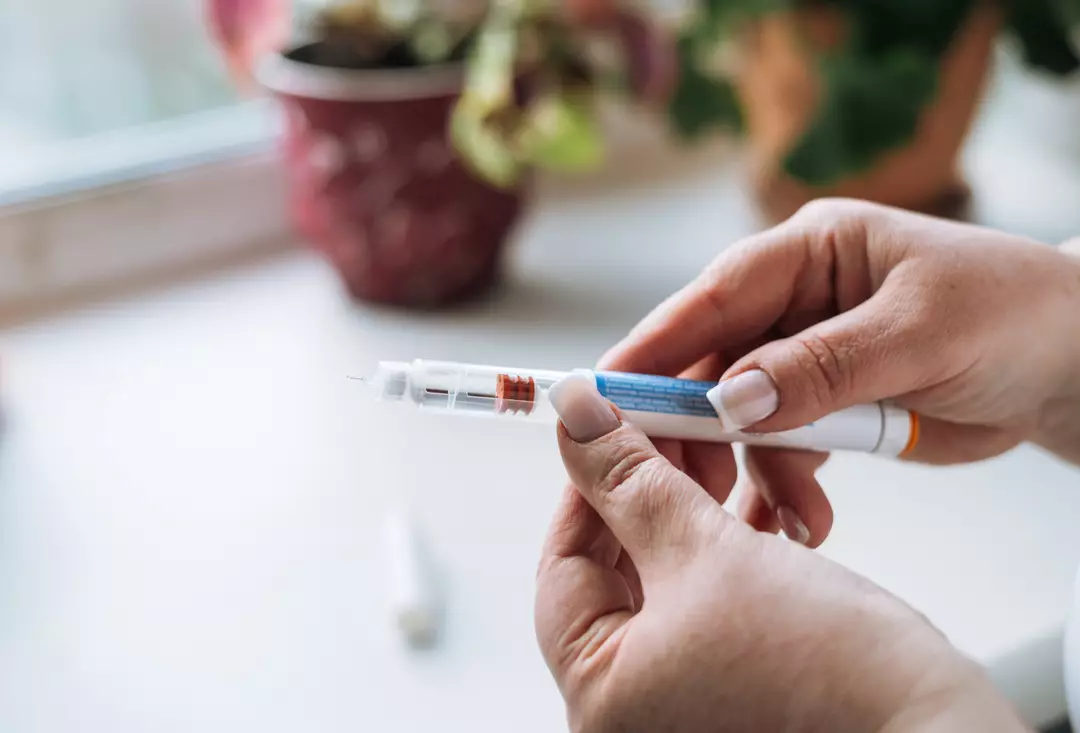
Research from the University of Alabama, published in the Journal of Medical Toxicology, found a recent rise in calls to toxicology and poison control centers from people worried they may have taken too much of the drug.
A major challenge with these newer treatments is that they’re often administered by patients themselves. Some leading manufacturers, including Novo Nordisk and Eli Lilly, provide pre-measured, single-use injector pens to minimize dosing errors—but not every product people access comes in that format.
Because GLP-1 medications are currently listed by the Food and Drug Administration as being in shortage, more patients have turned to “compounding” pharmacies to obtain their weight-loss prescriptions.
Instead of dispensing pre-set pen doses that are harder to mis-administer, compounding pharmacies prepare the medication and measure doses themselves. That opens the door to mistakes, including situations where patients end up with preparations that are reportedly up to 20 times stronger than intended.
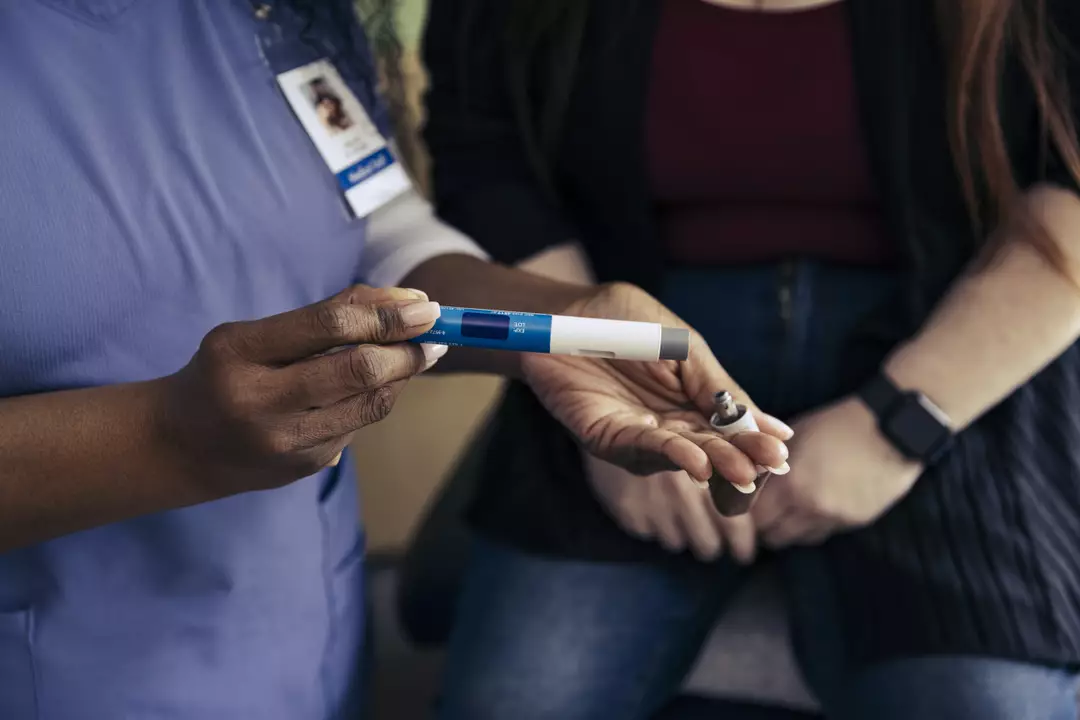
In many cases, these lower-cost semaglutide options require patients to calculate the correct dose on their own and draw it from a vial, rather than clicking a preset pen.
“You have to know conversions, and you have to know how much to draw up,” Janice Jin Hwang, a University of North Carolina endocrinologist, told Scientific American.
For people without medical training, those conversions can be confusing—especially when instructions involve switching between millilitres and milligrams, or when labels rely on “units,” which may not be intuitive.
“You really have to know exactly what you’re doing. Otherwise it’s really, really easy to make mistakes,” Hwang said.
If you’re worried you may have taken too high a dose, the symptoms of taking too much are generally easier to recognize than the math required to measure a dose precisely.
One potential red flag is symptoms consistent with very low blood sugar, as an excessive amount of GLP-1 activity can contribute to persistently reduced glucose levels in the body.
The Mayo Clinic notes that low blood sugar can cause shakiness, sweating, irritability, confusion, dizziness, headache, blurred vision, and—when severe—loss of consciousness or seizures.
Another common sign is intensified gastrointestinal upset. Nausea, vomiting, and diarrhea can occur even at normal doses, but may become more severe when too much semaglutide has been taken.
Incorrect dosing can also raise the likelihood of significant dehydration. People may also face an increased risk of gallstones and acute pancreatitis—complications that can occur at any dose, but may be more concerning when symptoms escalate.
In addition, watch for reactions at the injection site. Noticeable redness or other skin irritation where the medication was administered may indicate an adverse response, and higher-than-intended doses can increase the chances of swelling or itchiness.
If you suspect you took too much but your symptoms are improving, the medication should gradually clear. Different GLP-1 drugs have different half-lives, but many people can expect the drug’s effects to diminish over roughly a week, after which they may feel more like themselves again.