

If you’ve had nights where sleep eluded you, you’ll understand what it means to be deprived of rest.
While a bad night’s sleep is challenging, enduring a full 24 hours or more without any sleep is a different ordeal.
Our bodies require sleep to operate correctly, and lacking it leads to a host of unpleasant issues.
It’s not merely about feeling a bit lethargic or dozing off; these symptoms can escalate significantly.
Typically, about 8 hours of sleep per night is advised, though this requirement might differ throughout different life stages, with some individuals needing considerably more.
Starting with milder forms of sleep deprivation, as Healthline notes, going a day without sleep is something many have likely faced at least once.
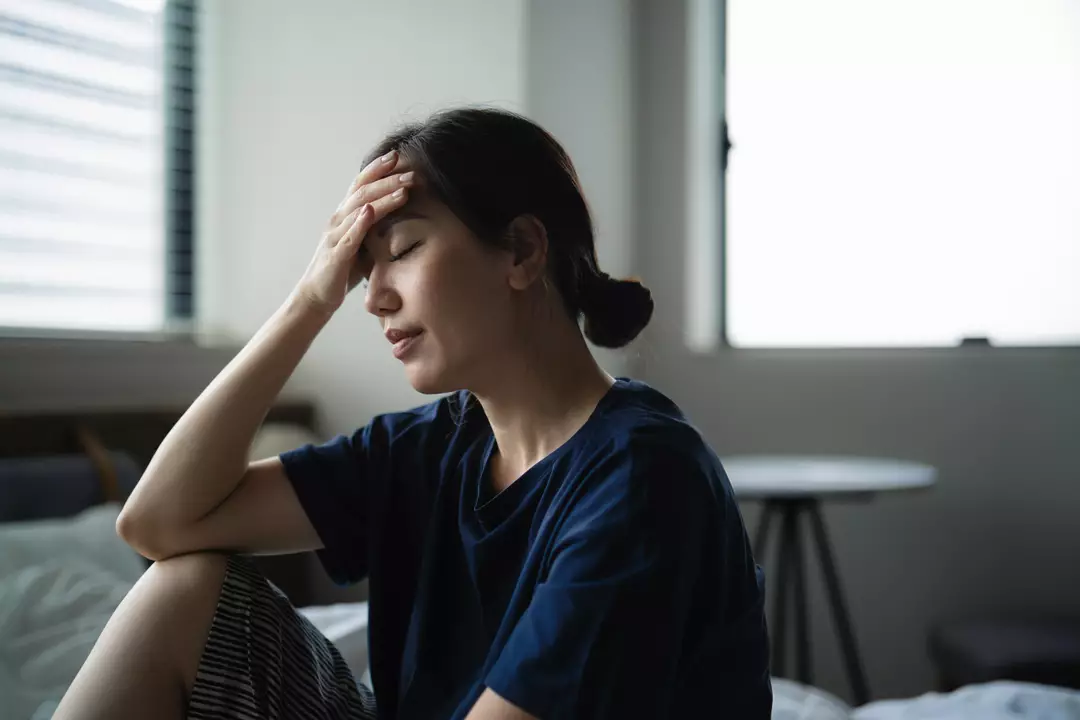
This level of sleep loss is common, often occurring due to demanding work schedules, caring for a newborn, or a long night out, with 24 hours passing in a blur.
At this point, severe side effects are unlikely, though fatigue and feeling off-balance are almost guaranteed.
It’s advisable to steer clear of driving under these conditions, as your alertness, concentration, and decision-making ability are compromised, equating to a blood alcohol level of 0.10 percent—higher than the legal driving limit of 0.08 percent.
Beyond 24 hours without sleep, the experience shifts significantly, with fewer people enduring such extended sleeplessness.
Upon reaching 48 hours, the effects surpass what a strong coffee can counteract, introducing more serious symptoms.
Your body might resort to ‘microsleeps,’ brief involuntary episodes of sleep lasting seconds.
Additional symptoms may include losing track of time (temporal disorientation), feeling detached from oneself (depersonalization), and experiencing perceptual distortions.
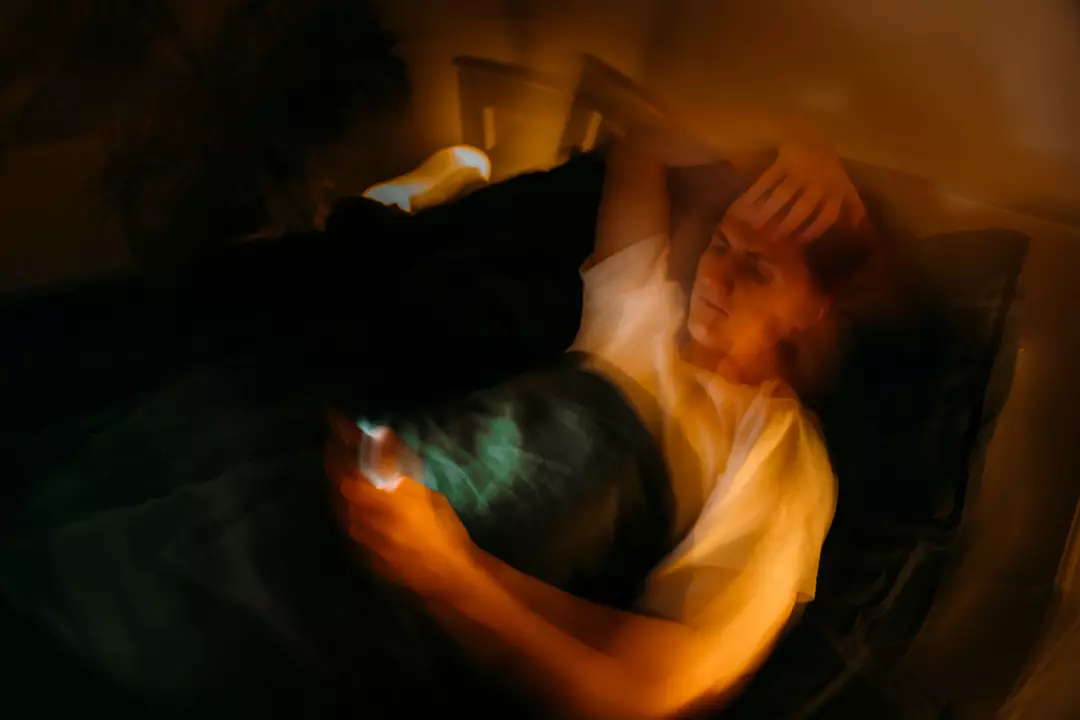
After seventy-two hours without rest, more alarming symptoms begin to manifest.
Besides an overwhelming need to sleep, symptoms akin to a psychiatric disorder may arise.
These include vivid hallucinations, which are more intense.
Delusions and disordered thinking may also start to appear, both of which are associated with severe mental health disorders.
By this point, simply catching up on sleep for one night won’t suffice to restore normalcy.
Recovering from extreme sleep deprivation requires several days of quality rest to fully recuperate.