


When federal immigration authorities describe a driver as having “weaponized” their vehicle, they are invoking a legal concept that has become central to justifying the use of deadly force against people in cars, yet the term remains ambiguous and contested in both law and policy.
The term emerged prominently during the Trump administration’s intensified immigration enforcement operations. In recent weeks, federal officials have repeatedly used the phrase to defend shootings by Immigration and Customs Enforcement agents that have left multiple people dead, including two fatal incidents within a single week in early July. In one case, Maine authorities reported that a driver had “weaponized” his vehicle before being fatally shot by ICE agents. In another, an ICE agent fired into a vehicle in California, claiming the driver had attempted to weaponize the car against officers. Yet in both situations, questions have arisen about whether the incidents truly fit the criteria federal policy establishes for using deadly force.
The phrase reflects a genuine legal principle: courts have long acknowledged that vehicles can be considered weapons when used with intent to cause harm. However, the circumstances under which law enforcement may lawfully fire at a moving vehicle remain far more restrictive than federal officials have sometimes suggested. Federal Department of Homeland Security policy explicitly prohibits officers from discharging firearms at moving vehicles in most situations, permitting deadly force only under narrow conditions. Firearms may not be discharged at a moving vehicle unless either a person inside is threatening the officer or another person with deadly force by means other than the vehicle itself, or the vehicle is operated in a manner that threatens death or serious physical injury and no other reasonable defensive options exist, including moving out of the vehicle’s path.
The legal definition of weaponization itself remains contested. State and federal courts have agreed that vehicles can be considered weapons when used to inflict harm. However, many court cases addressing this issue have involved situations where charges were filed after an injury or death had already occurred, focusing on whether to enhance sentences rather than whether to authorize use of deadly force before the fact. Judicial opinions have largely concentrated on crimes of negligence, road rage, or impaired driving, or on rare instances where someone deliberately drove into a crowd. Courts have rarely addressed the specific question facing law enforcement: when should a moving vehicle be considered a dangerous weapon that justifies the use of deadly force?
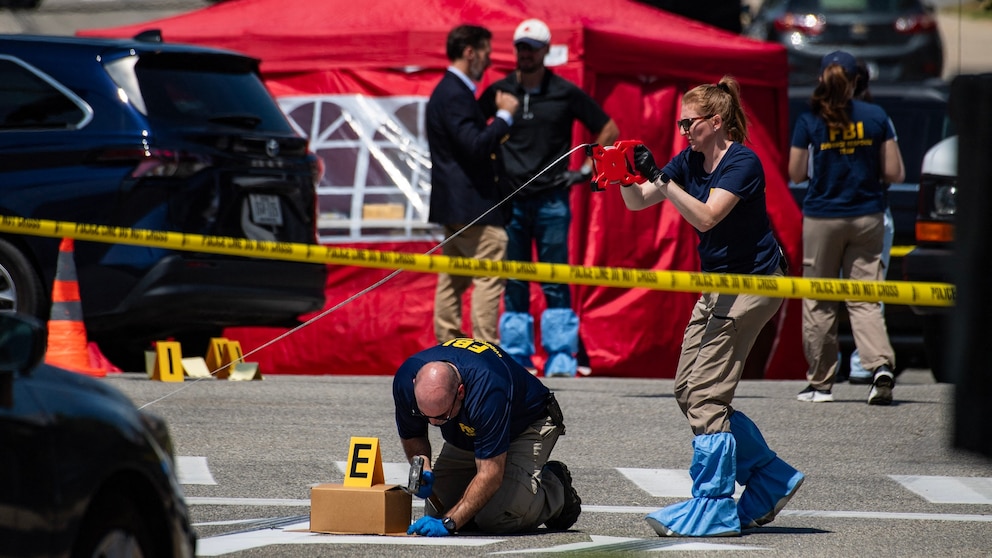
Many law enforcement departments and agencies weigh potential harm to bystanders heavily when establishing guidelines for firing at vehicles. Standard practice among many agencies directs officers to move out of the way of a vehicle rather than shoot, because gunfire at vehicles creates serious risks—bullets may strike unintended targets, and a wounded driver may lose control and crash into nearby people. Policies typically state that a suspect merely fleeing is not sufficient justification for deadly force. Some policies require evidence of an additional weapon, such as a firearm being used as a threat, to establish a clear danger to officers or the public.
Exceptions do exist within these policies for situations that have become more common internationally and occasionally in the United States: a person deliberately driving a vehicle into crowds to inflict maximum damage. Yet experts warn that these exceptions have sometimes been invoked in circumstances where the threat level was far lower. When assessing whether a vehicle has been weaponized, experts suggest officers and investigators should consider multiple factors: the speed of the vehicle, whether crowds of people are present on sidewalks or nearby, and the reason for the initial police interaction.
The Department of Justice policy on use of force makes clear that deadly force against drivers is justified only when officers have a reasonable belief that the subject poses an imminent danger of death or serious physical injury, based on a careful balancing of all circumstances. Moving out of the path of a vehicle counts as a reasonable alternative defense available to officers. The policy further instructs officers to avoid intentionally placing themselves in situations where deadly force becomes the only option.
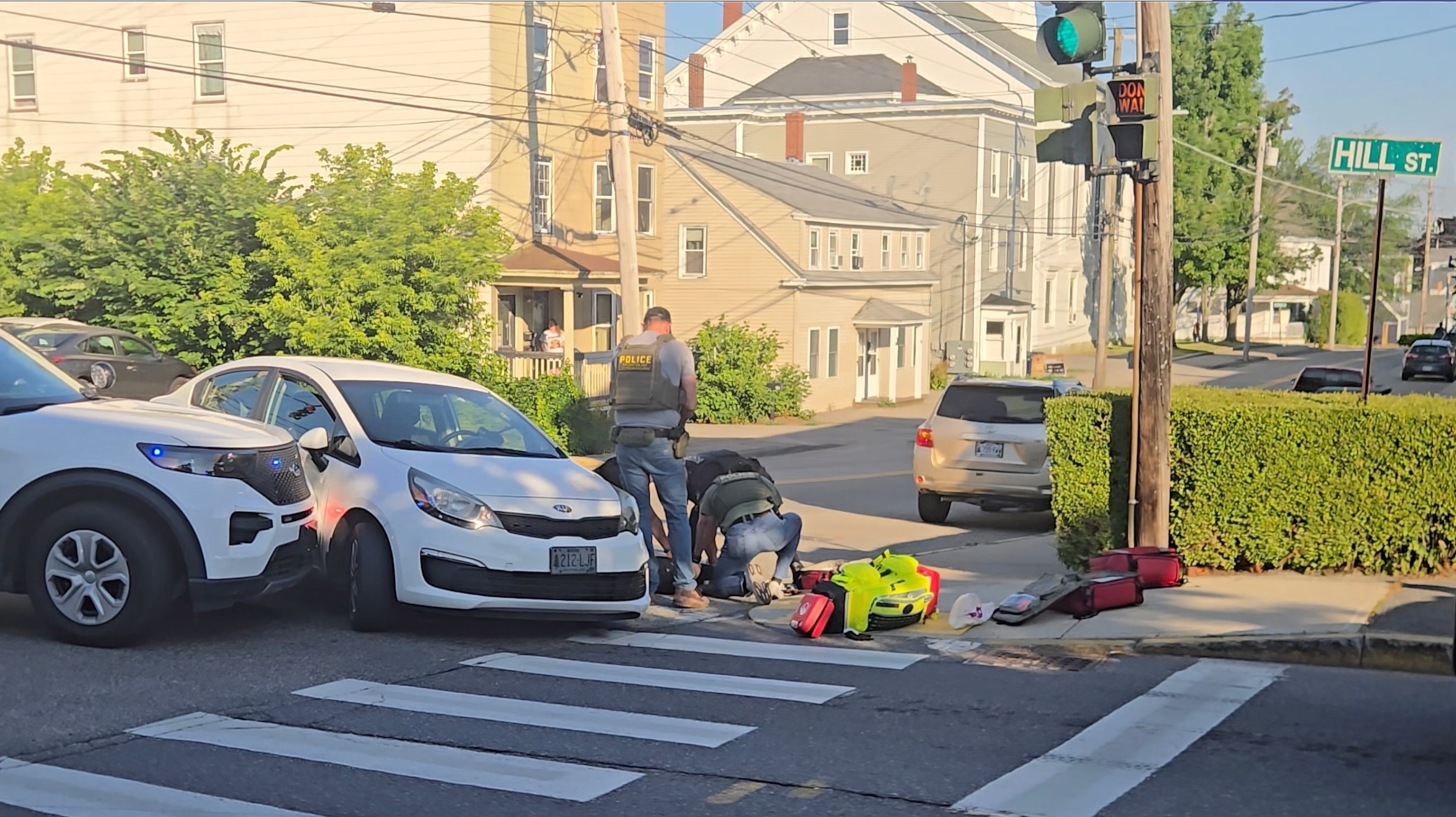
During the recent wave of incidents, federal officials have claimed to observe a surge in vehicle ramming attacks against law enforcement. According to the FBI’s Law Enforcement Officers Killed and Assaulted database, 18 officers were killed in intentional vehicle rammings nationwide over the two-year period from January 2024 through December 2025, representing roughly 17 percent of all law enforcement officer deaths. Vehicle ramming attacks that did not result in death were rare enough that they did not receive their own database category, appearing instead within the broader category of assaults involving “other” dangerous weapons.
The divergence between federal claims about the prevalence of weaponized vehicles and documented statistics has fueled disputes between local and federal authorities. In some cases, detainees have provided accounts of incidents that contradicted federal officials’ descriptions. Police departments in cities where shootings occurred have questioned the characterization of events and called for more thorough, independent investigations. Some state and local officials have argued that the term “weaponized vehicle” has been applied too loosely, with officers using it to justify force in situations that fell short of the legal standard.
Researchers and use-of-force experts have found that departments with explicit policies limiting when officers may fire at vehicles experienced fewer such incidents. The push toward restrictions on firing at moving vehicles gained momentum decades ago after a 1972 incident in New York City when an officer’s shooting killed a 10-year-old passenger in a stolen car. Since then, major law enforcement organizations have recommended similar limits, warning that shooting at vehicles creates serious risks from stray gunfire or from a vehicle crashing if the driver is struck.
The debate over what “weaponized vehicle” means reflects a broader tension in contemporary law enforcement: how to balance the safety of officers with protection for drivers and the public. While courts have confirmed that vehicles can be weapons, the law and established policy remain clear that this designation alone does not justify deadly force. The phrase, however, has become a quick justification offered by federal officials in the moments after shootings occur—before full investigations, before video evidence emerges, and often before anyone outside the immediate incident has any way to assess what actually happened.