

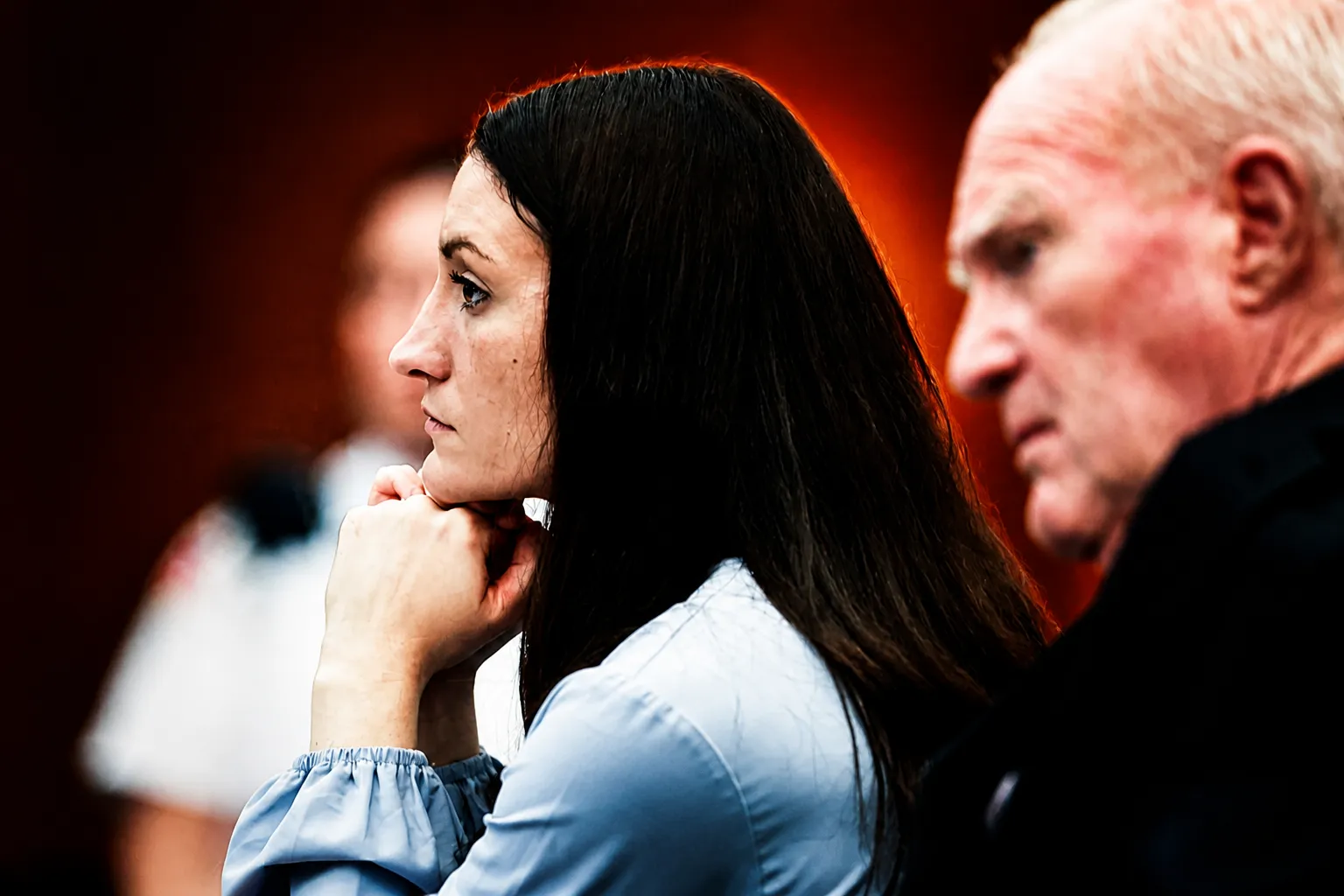
Lindsay Clancy’s Apple Watch data took center stage as prosecutors rested their case in her triple murder trial.
The 36-year-old Massachusetts mother is facing three counts of first degree murder for the January 24, 2023, deaths of her children Cora, five, Dawson, three, and eight-month-old Callan. She has pleaded not guilty, with her defense arguing she cannot be held criminally responsible due to postpartum psychosis. After allegedly killing her children, Clancy attempted to take her own life and was left paralyzed from the waist down.
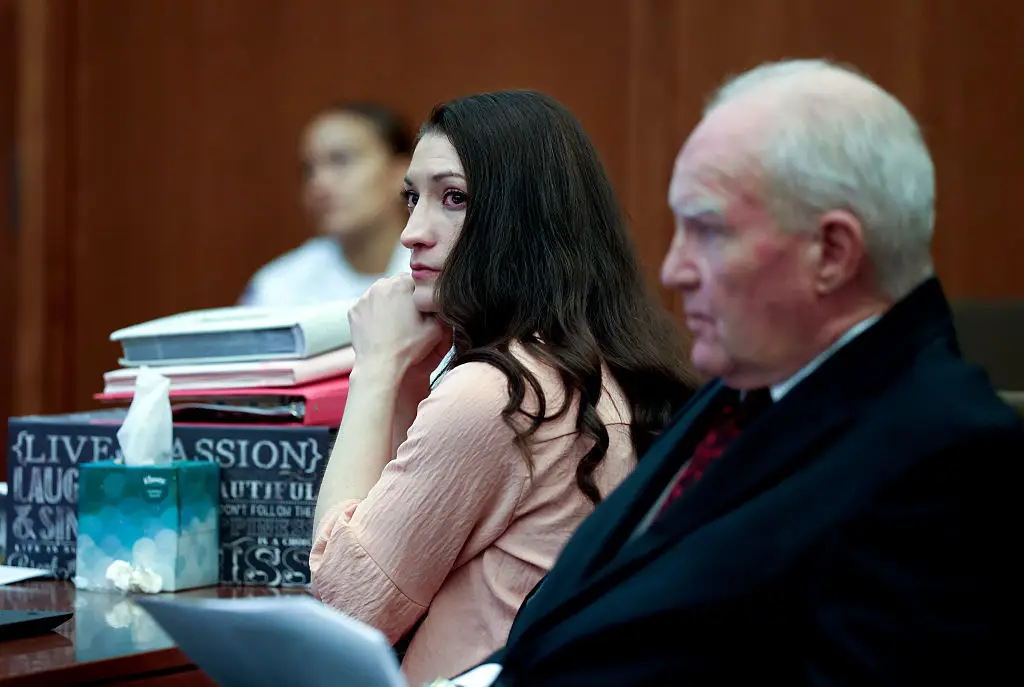
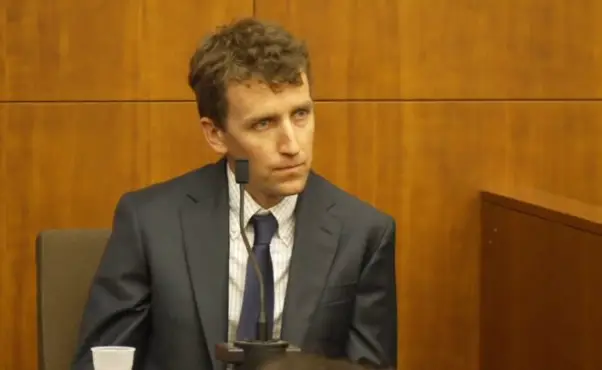
Digital forensics expert Ian Whiffin, called by the prosecution, testified about what Clancy’s wearable device revealed. The Apple Watch was found “a number of days” after the killings, located in a drawer in her bedroom, her attorney said. The last heart rate reading recorded on January 24, 2023, was 57 beats per minute at 5:23 p.m. — below the normal resting range of 60 to 100 bpm. No further heart rate data was transmitted from the watch to Clancy’s phone after that timestamp.
Whiffin noted that the absence of readings after 5:23 p.m. Did not necessarily mean Clancy stopped moving. The watch could have been removed, switched off, or run out of battery.
Between 5:33 p.m. And 5:38 p.m., Clancy’s phone recorded her climbing two flights of stairs, though Whiffin indicated these timestamps reflected when the iPhone recognized elevation change rather than exact moments of movement.
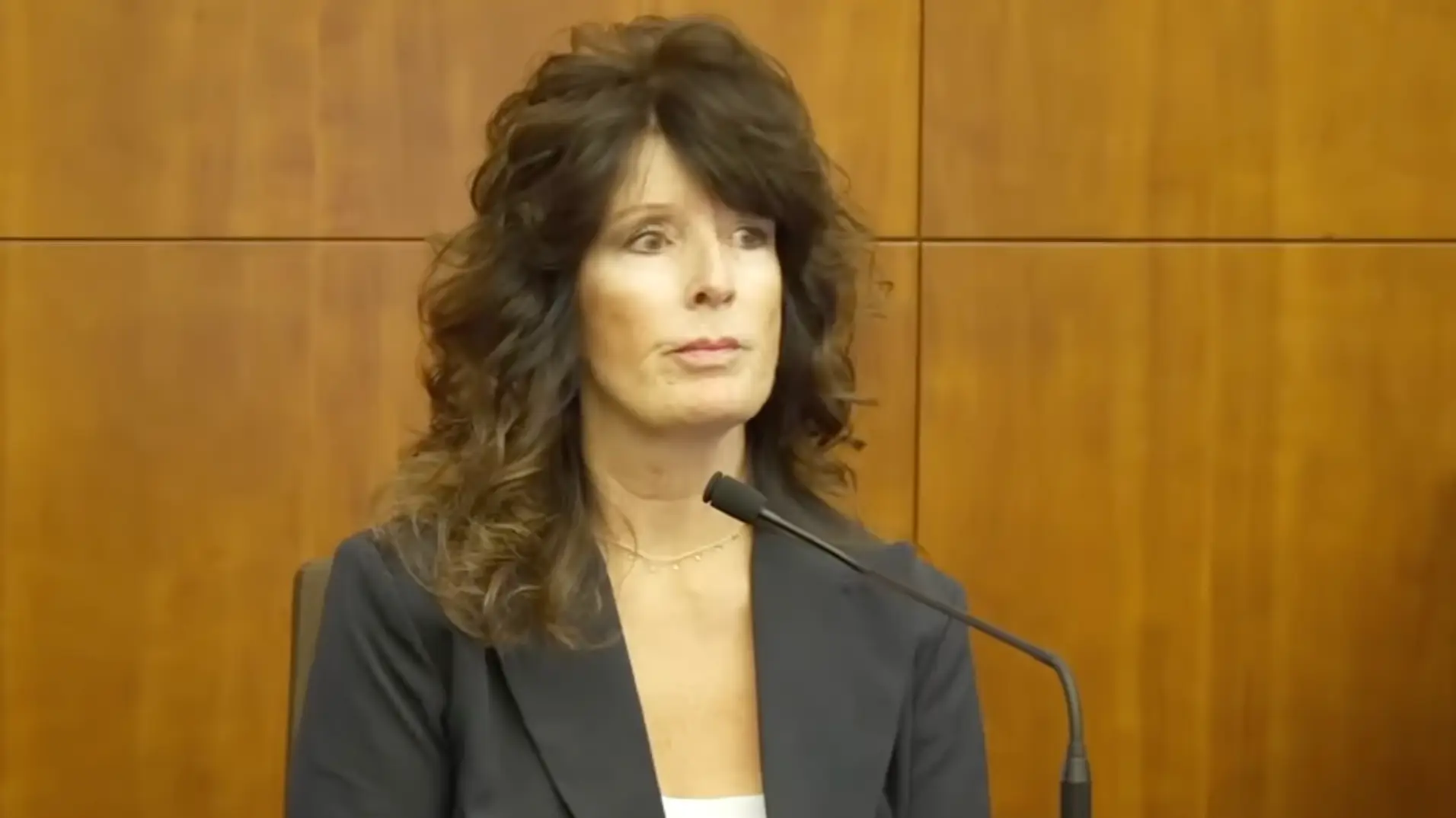
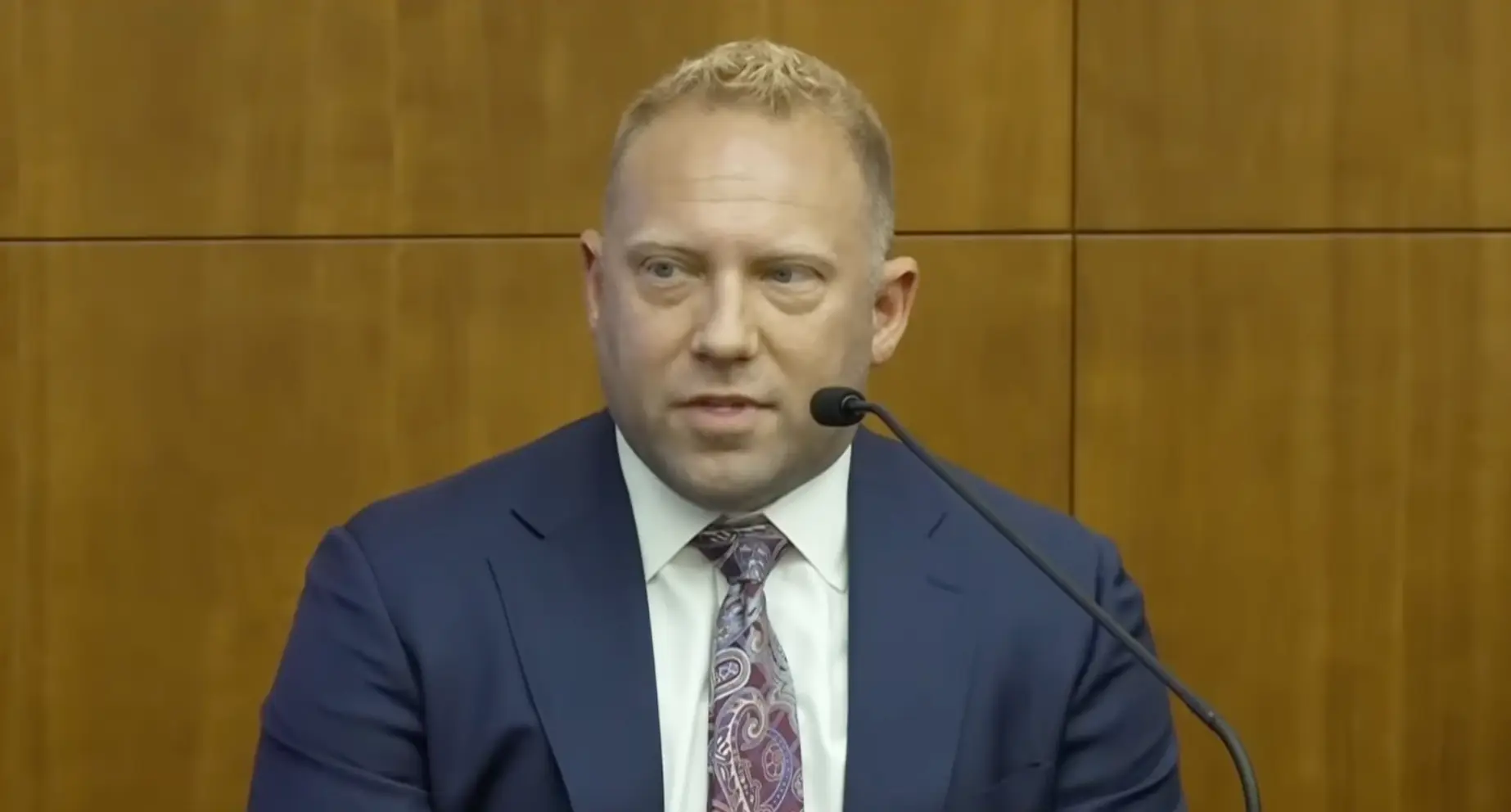
Clancy’s defense attorney Kevin Reddington pushed back on the precision of the data during cross-examination. “After 5:38, it’s pretty much blackout,” he stated. Reddington also emphasized that the data “can be off a bit,” noting the heart rate came from the Apple Watch while steps were recorded on the iPhone. He further highlighted that data was recorded on January 25 while Clancy was in a coma, which Whiffin theorized could have been produced by investigators handling the phone.
Prosecutors have argued Clancy’s attack was premeditated, and the timing of the data — coming shortly after her now-ex-husband Patrick Clancy left the house — could support that theory.
Patrick Clancy, the first witness after opening statements on July 27, testified about his former wife’s mental decline. He said December 2022 “was really where her big spiral started,” and that she had told him she was having thoughts of suicide and harming their children. After time in a locked-ward facility, Patrick recalled, “she seemed much better.” On the day of the killings, he testified she initially “seemed in a good mood” and “was having one of her best days.” He returned home to find his children dead and “saw blood everywhere.”
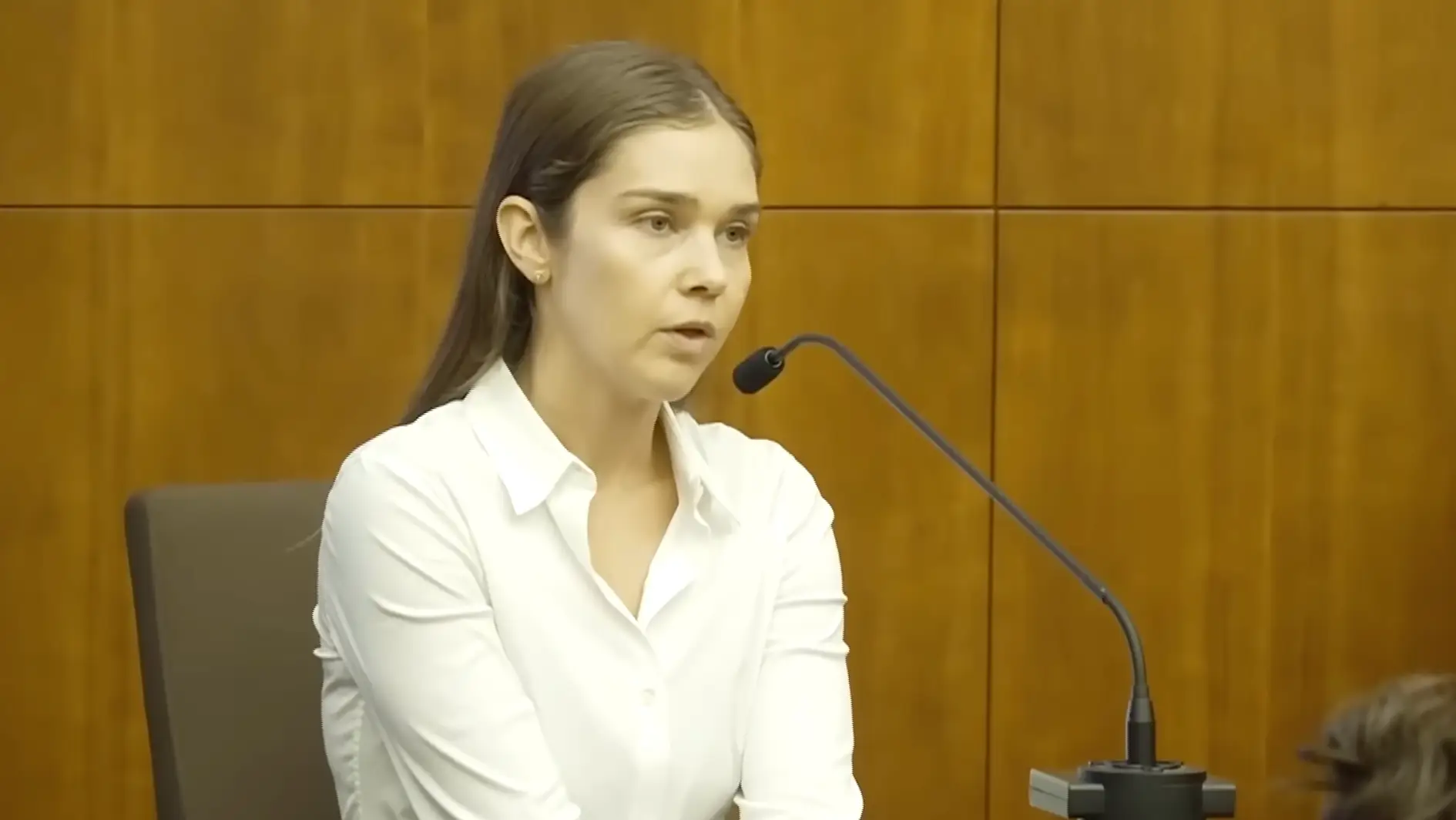
About a week later, Clancy called Patrick from the hospital. “She didn’t talk about our kids, she talked about what she went through,” he testified. “She said she heard a man’s voice telling her that if she didn’t do it now, she would lose her chance – or something like that.”
The jury also heard from Paula Musgrove, Clancy’s mother, who described her daughter as a loving and devoted mom whose mental health began declining in October 2022. Musgrove testified that Clancy grew increasingly fearful of sleeping alone, suffered from insomnia, and became convinced her psychiatric medications were “destroying her mind,” She told the court about a December 2022 conversation in which Clancy “told us she had thoughts of harming the children.”
A text from Clancy to her mother from October 2022 was shown in court: “Mom, will you please come up and stay with me for a bit? I’m really sick. Something is wrong. I had horrible insomnia all night, and I just don’t know how I am going to get through the day… I started taking the medicine my doctor prescribed for anxiety and I think it’s made things worse. It’s just really scary and I don’t want to be alone.”
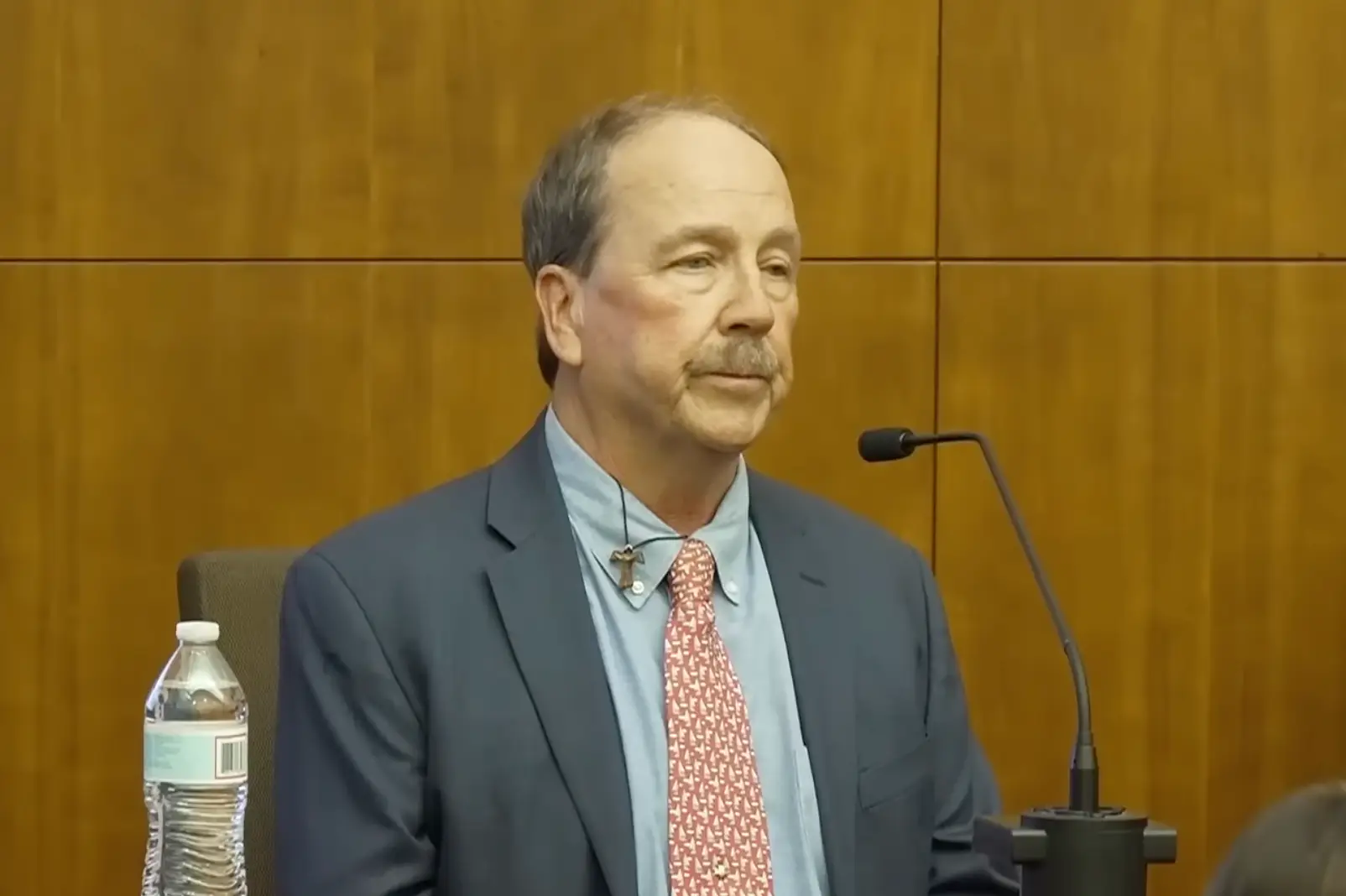
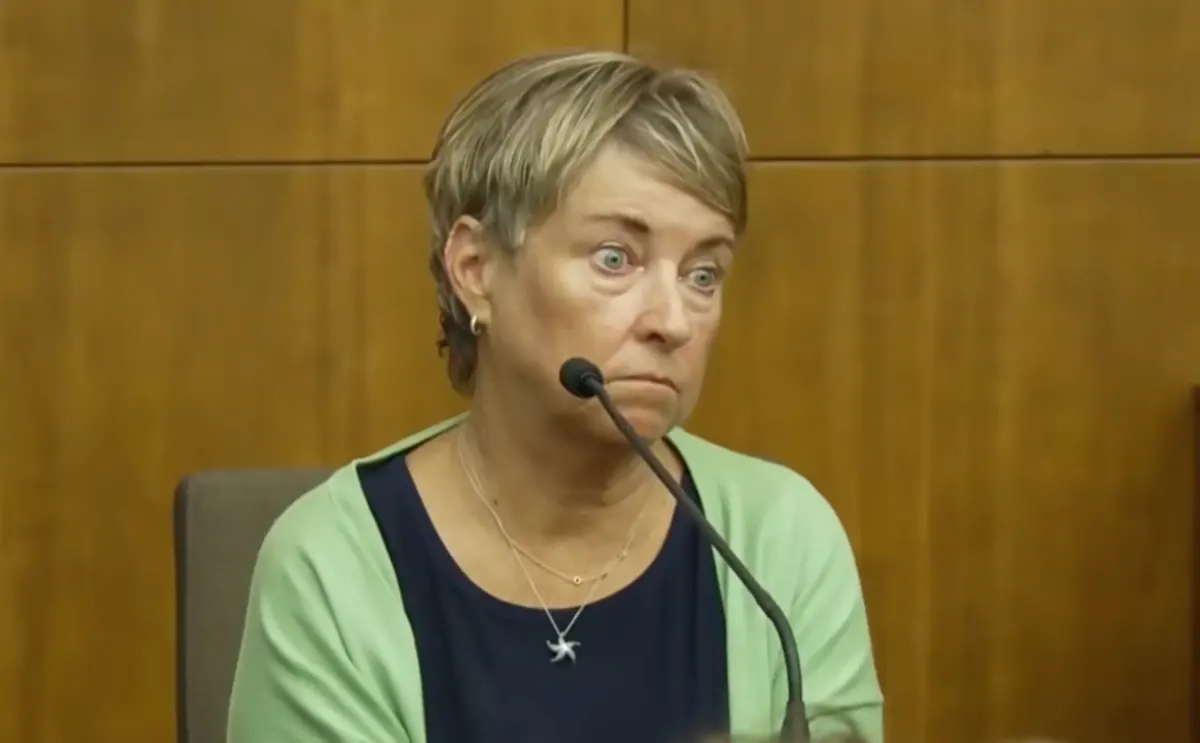
Clancy’s sister Meredith Ozga testified that during Thanksgiving 2022, her “mood did not look good” and she “didn’t seem very energised,” Ozga said Clancy told her she had been experiencing suicidal thoughts every day for a month before the killings. “I had this gut feeling that something was off and that she was really struggling, and I asked her if she was safe,” Ozga told the court. “She said ‘yes’ at that point.” At Cora’s birthday party in January 2023, Ozga observed, “I think she looked like she was going through the motions… But she looked tired. She looked like she was still struggling.”
Elaine Rossi, the family’s nanny from September to December 2022, testified that Clancy was a “wonderful mom who loved her kids.” Rossi recalled Clancy “shared with me she had postpartum and couldn’t sleep,” and that she never feared for the children’s safety.
Clancy’s digital footprint became crucial evidence. Forensic cellphone analyst Timothy Chiappini testified that she searched “can you treat a sociopath” days before the killings. He also read notes app entries including one from October 25, 2022: “I’m sad and depressed because I am not able to parent my third child like my first.” Psychiatrist Karen Tufts, who treated Clancy starting in September 2022, testified the mother “denied having suicidal thoughts but felt that she was getting close to it” in December 2022. When defense attorney Reddington asked if it would surprise her that Clancy called a suicide hotline twice and was turned away, Tufts replied: “It does surprise me, yes. It surprises me that she called them twice.” Their final appointment was January 23, 2023 — the day before the killings.
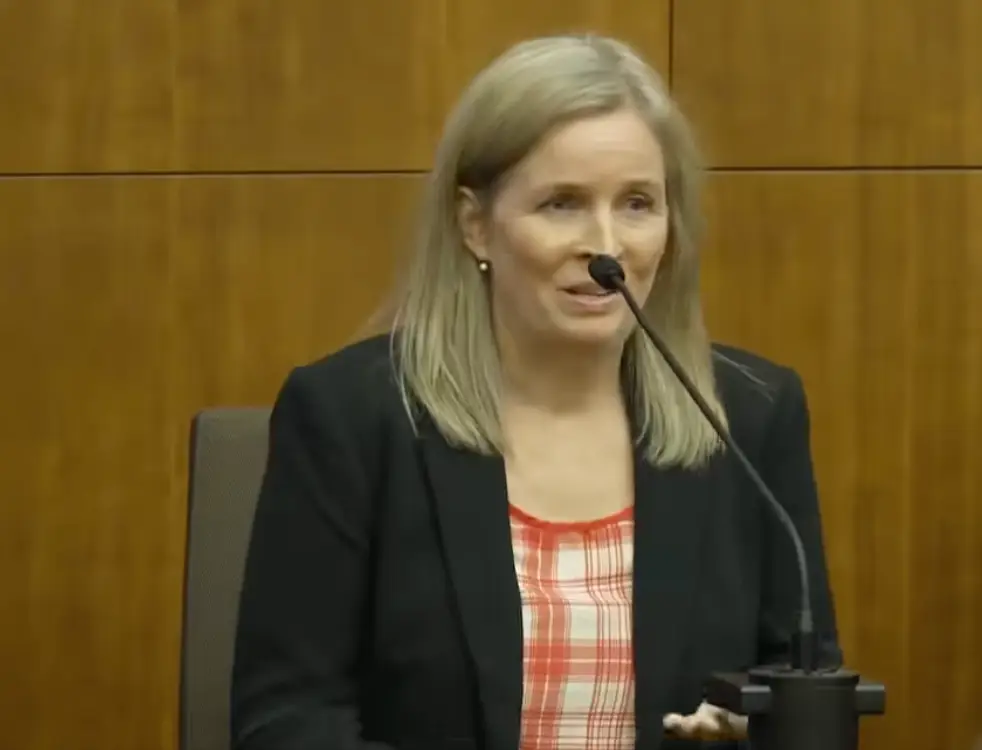
Susan Clancy, Lindsay’s former mother-in-law, testified she was a “very nurturing, very loving” and “a wonderful mother” who was “begging for help.” When asked if Clancy had been “interested at all times in trying to get better and see doctors,” Susan responded: “Very much so.” Margaret Hamp, a colleague at Massachusetts General Hospital, recalled asking Clancy if she had heard of the Andrea Yates case. “She hadn’t,” Hamp testified. “I explained that to her and she cried, and she said: ‘How could a mother hurt her children?'”
Closing arguments were scheduled to begin August 25, followed by jury deliberations.