

—
Postpartum psychosis is a severe mental health emergency that can strike suddenly in the days or weeks following childbirth, disrupting a new mother’s grip on reality. While relatively rare, affecting approximately one to two per 1,000 women who give birth, the condition is among the most serious psychiatric illnesses that can emerge during the postpartum period and requires immediate medical intervention.
The condition is marked by a sudden onset of psychotic symptoms that profoundly impair a woman’s ability to function. Women experiencing postpartum psychosis may suffer from hallucinations—seeing, hearing, feeling, or smelling things that are not actually present. They may develop delusions, which are false beliefs held with intense conviction despite evidence to the contrary. Some women experience delusional thoughts that their baby is possessed by the devil or that they themselves have extraordinary powers. Confusion, disorganized thinking, extreme mood swings ranging from mania to severe depression, agitation, and paranoia are also common.
Unlike postpartum depression, which affects up to 20 percent of new mothers and causes persistent sadness and loss of interest in activities, postpartum psychosis causes a fundamental break from reality. A woman with postpartum psychosis may not recognize that she is unwell, unable to perceive her own illness despite the alarming symptoms. The depressive form of the condition, which accounts for about 41 percent of cases, is considered the most dangerous, as it carries the highest risk of harm to both the mother and her infant.
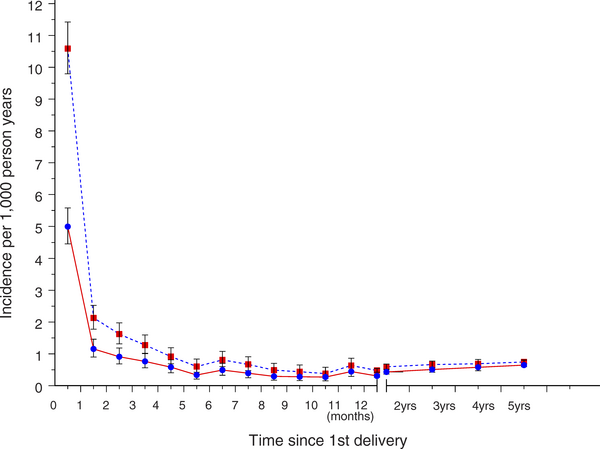
The timeline of onset is typically very rapid. Most symptoms emerge within the first two weeks after delivery, though the condition can occasionally appear several weeks later. The symptoms can change quickly and unpredictably, making close monitoring essential. The sudden appearance of postpartum psychosis is particularly frightening because many women show no warning signs during pregnancy, making the abrupt emergence of the condition shocking to both the mother and her loved ones.
Researchers have identified multiple risk factors that increase vulnerability to postpartum psychosis. Women with a history of bipolar disorder face a significantly elevated risk—about one in four women with bipolar disorder will experience postpartum psychosis. A previous episode of postpartum psychosis in an earlier pregnancy substantially raises the risk of recurrence. Family history of psychosis, schizophrenia, or bipolar disorder also increases risk, suggesting a strong genetic component. Studies indicate that genetic factors account for approximately 55 percent of the risk for postpartum psychosis, with female relatives of affected mothers facing a relative recurrence risk about 10 times higher than the general population.
Other contributing factors include stopping psychiatric medications during pregnancy, sleep deprivation, traumatic birth experiences, obstetric complications, older maternal age, and lower birth weight. Some evidence suggests that childbirth acts as a trigger in women predisposed to the condition through an interaction of biological, psychological, and social factors. Hormonal changes, physical exhaustion, and the profound emotional and social challenge of caring for a newborn likely all play a role in precipitating the illness.
The dangers posed by postpartum psychosis make it a psychiatric emergency. Research shows that women with the condition face much higher risks of suicide and infanticide if untreated. Hallucinations or delusions may command a mother to harm herself or her child. The depressive subtype carries a documented risk of harm to a child of approximately 4.5 percent. Because of these severe risks, immediate hospitalization is warranted if there is any danger to either the mother or the newborn.
Treatment requires rapid intervention, typically consisting of inpatient observation combined with psychiatric medications. Antipsychotic medications, mood stabilizers, and antidepressants are commonly used, with the specific choice depending on the individual’s history and the type of postpartum psychosis symptoms present. In many cases, lithium combined with an antipsychotic medication forms the foundation of treatment. With prompt, evidence-based care, the prognosis is generally favorable. Nearly all women with postpartum psychosis achieve full remission with adequate treatment.
Research indicates that the long-term outcomes are encouraging for many women. By nine months postpartum, the majority of women treated for postpartum psychosis report good functional recovery, with three-quarters reporting a return to their previous level of functioning in work, relationships, and recreation by nine months. Some studies find that 74 percent of women are symptom-free one year after delivery. However, having experienced one episode places a woman at elevated risk for recurrence with future pregnancies—about 35 percent of women with postpartum psychosis experience it again.
A critical challenge is that postpartum psychosis remains underdiagnosed. There are no standard screening procedures in place during pregnancy or the postpartum period at many healthcare settings, meaning many cases go unrecognized. Additionally, there is currently no specific test or tool to diagnose a psychotic episode, partly because symptoms can appear and disappear unpredictably. For women at known high risk, planning ahead with healthcare providers is essential. Those with bipolar disorder or a previous history of postpartum psychosis should discuss management strategies during pregnancy and after delivery.
Awareness among healthcare professionals and the public remains crucial. Women planning to become pregnant who have a history of mental illness should have open discussions with their doctors or psychiatrists to adjust medications and develop safety plans before delivery. Those experiencing sudden changes in perception, persistent hallucinations, severe confusion, or any thoughts of harming themselves or their baby should seek immediate emergency help. While postpartum psychosis is serious, early recognition and treatment can lead to complete recovery and allow mothers to return to their lives and bond with their newborns.