

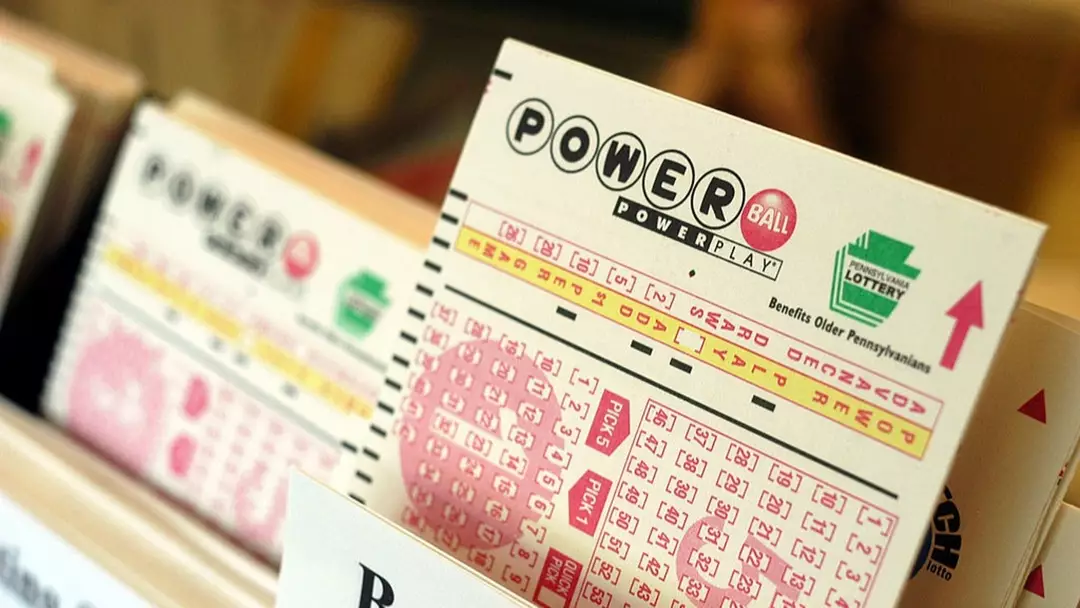
The Powerball jackpot has surged to nearly $1 billion following 40 consecutive games with no jackpot winner.
While the odds stand at one in 292 million, the $930 million jackpot is up for grabs for any ticket holder across 45 states and territories where tickets are available.
This includes Washington D.C., Puerto Rico, and the US Virgin Islands. However, no ticket has matched all six numbers necessary to claim the grand prize for 13 weeks running.
Drawings occur on Mondays, Wednesdays, and Saturdays. The forthcoming draw is scheduled for Wednesday, December 10 at 10:59 PM. If the jackpot remains unclaimed, the subsequent draw will be on Saturday, December 13.
In September, winners from Missouri and Texas split a monumental $1.787 billion prize, although taxes had their impact.

According to Powerball, if nobody claims the Grand Prize, the accumulated jackpot funds are redistributed to each participating lottery based on ticket sales.
Each lottery has the autonomy to decide how to utilize its portion, in accordance with local regulations.
They may allocate it to other lottery games, return it to the state’s general fund, or apply it elsewhere.
Smaller unclaimed prizes are not returned. Instead, they remain with the lottery in the jurisdiction where the ticket was sold, again used according to local rules.

Though the prize pool has reached an astonishing $930 million, the hypothetical Grand Prize winner won’t necessarily receive that full amount on Wednesday.
All Powerball prizes in the US are subject to tax, with a mandatory 24 percent federal tax withholding on any prize over $5,000.
Winning the jackpot places one in the highest federal tax bracket of 37 percent, which means additional taxes will be due upon filing.
Most states impose their own income tax on lottery wins, with some rates reaching 10 to 11 percent. However, states like Florida and Texas have no state tax.
The winner’s final take-home amount also depends on whether they opt for a lump sum cash payout or a 30-year annuity.
The cash option usually reduces a $930 million jackpot to about 55 to 60 percent of the advertised figure.
This translates to approximately $430–$460 million before taxes.
After the mandatory 24 percent withholding and additional federal taxes, a winner in a no-tax state might take home about $260–$290 million if choosing the cash option.
State taxes could further decrease this amount by tens of millions depending on the winner’s location.
With the annuity choice, the entire $930 million is paid out over 30 years.
The payments begin smaller and increase annually by about 5 percent.
This means the winner would receive an average of roughly $31 million per year pre-tax, though the initial payment is lower and the final payment higher.
Federal tax at 37 percent would lower that average annual payout to about $19–$20 million, with state taxes potentially reducing it further.
Over the full 30 years, after only federal taxes, the winner might net approximately $570–$600 million in total.