

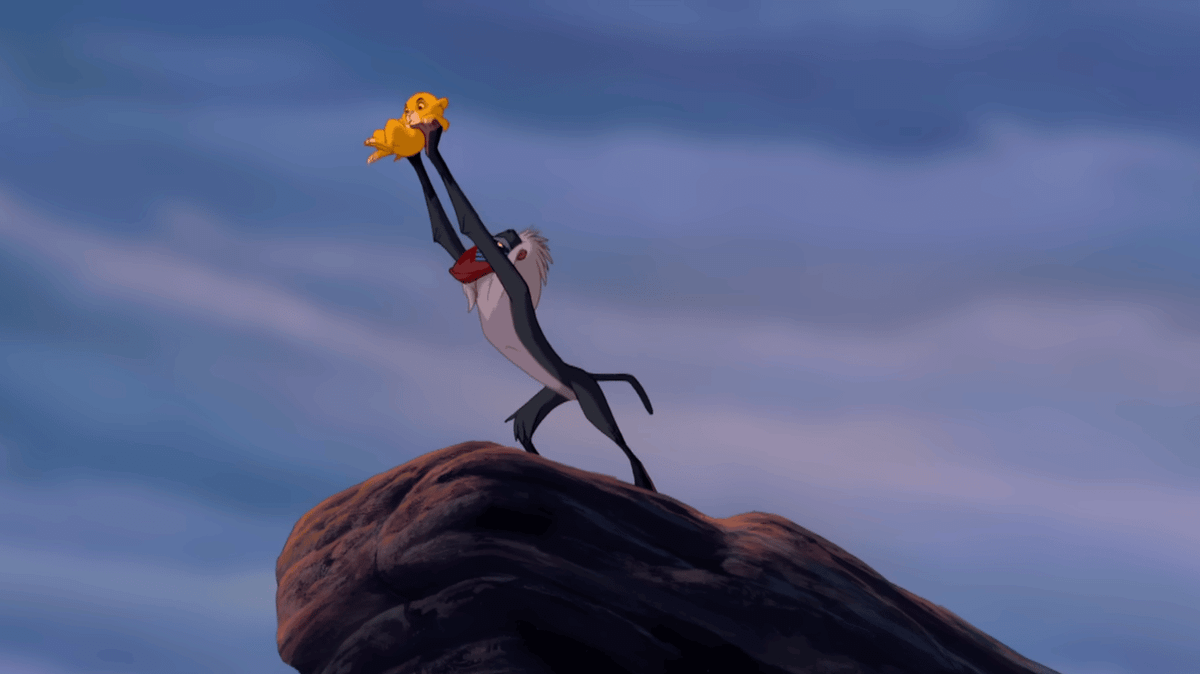
It’s one of the most instantly recognizable tracks ever to open a film, yet plenty of viewers still don’t know what the celebratory ‘Circle of Life’ from 1994 blockbuster The Lion King is actually saying.
That’s surprising, considering the Disney classic pulled in close to $1 billion at the global box office, while the song — written by music heavyweights Sir Elton John and Hans Zimmer — became a worldwide hit and earned Oscar and Grammy nominations.
For anyone who hasn’t revisited Pride Rock in a while, ‘Circle of Life’ sets up the animal kingdom’s order on the savannah, as Mufasa lifts his newborn son Simba for all to see.
One of the most distinctive parts of the track is that it begins in Zulu, a language widely spoken in southern Africa — a bold choice for a Disney release at the time. But when people attempt to translate those opening lines into English, the result can sound far more straightforward than the grand, spiritual tone many listeners imagine.
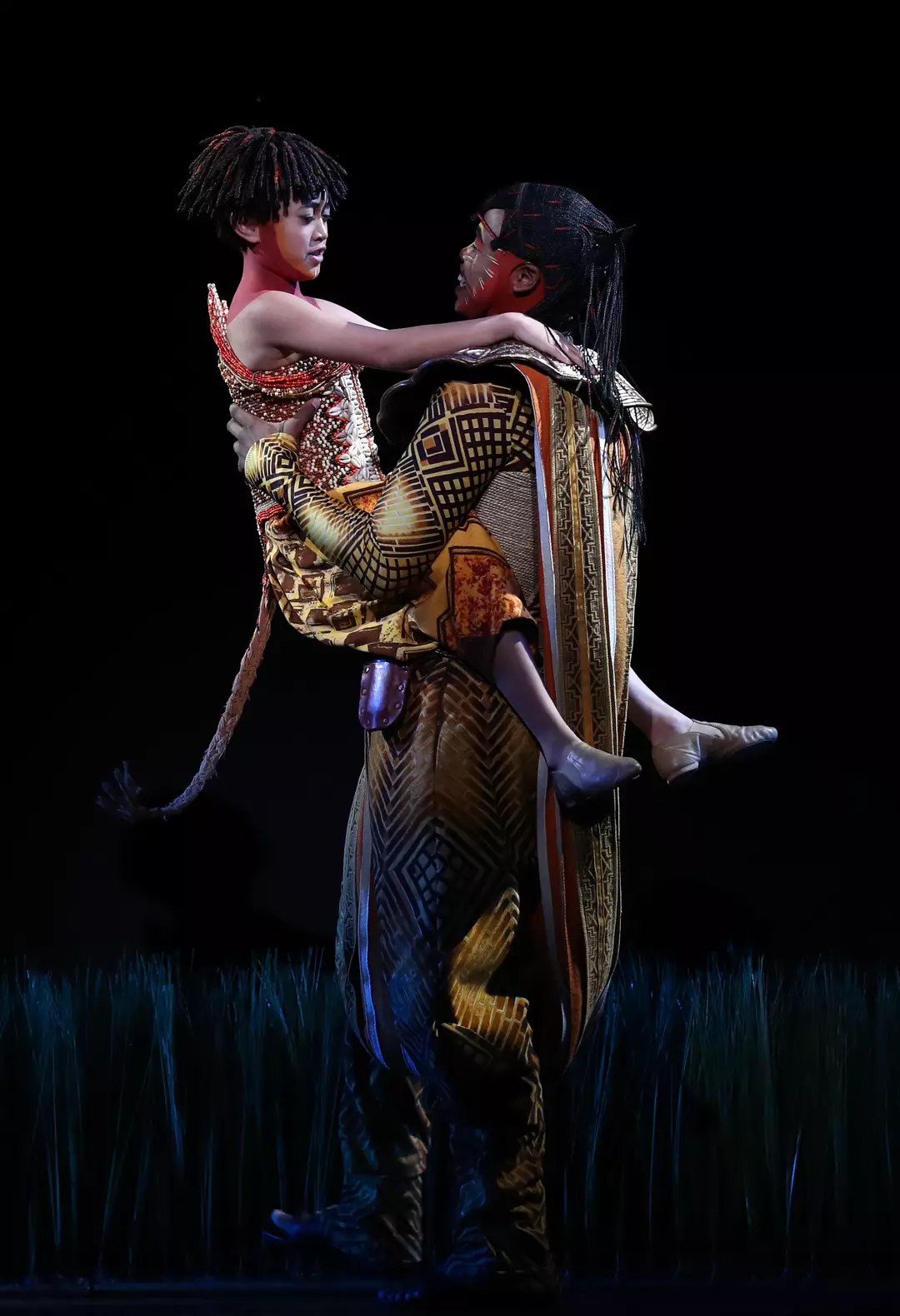
The topic recently came up on One54, a podcast focused on the language, culture, and heritage of all 54 African nations. Hosts Akbar Gbajabiamila and comedian Godfrey were joined by comedian Learnmore Jonasi, and the trio dug into what the famous intro is widely said to mean.
Even though they all knew the film and its opening number well, they cracked up after hearing a plain-English version of the Zulu lyrics that launch the song.
As it’s often simplified, the sung lines ‘Sithi uhm ingonyama/Nants ingonyama bagithi baba’ are translated as: ‘Oh yes it’s a lion/Here comes a lion, father’ — a lot less mystical on paper than many fans expect.
During the discussion, Godfrey joked: “This whole time, I thought it was this beautiful, majestic spiritual s***. They have made billions off that.”
In comments shared beneath the clip, some African viewers pushed back on the simplified interpretation, the Mirror reports, with one writing: “The translation is wrong about that song.
“Though I understand Zulu is not his home language. I’m Zulu and that basically translates to ‘here’s our lion’ and what it really means in our culture is ‘Here’s our King!’ It’s like a chanting in a way.”
Another commenter added: “Translation is overly simplified. In Nguni languages a lion can be referred to ibhubesi (general speak) or ingonyama which refers to the majesty of the creature and as a reference to the king.
“The opening words “nansi ingonyama bakithi” means ‘look, here is his majesty’. Very strong statement.”
Here are the well-known opening lines:
Nants ingonyama bagithi Baba
Sithi uhm ingonyama
Nants ingonyama bagithi baba
Sithi uhhmm ingonyama
Ingonyama
Siyo Nqoba
Ingonyama
Ingonyama nengw’ enamabala
In English, this roughly translates to:
Here comes a lion, father
Oh yes it’s a lion
Here comes a lion, father
Oh yes it’s a lion
A lion
We’re going to conquer
A lion
A lion and a leopard come to this open place