

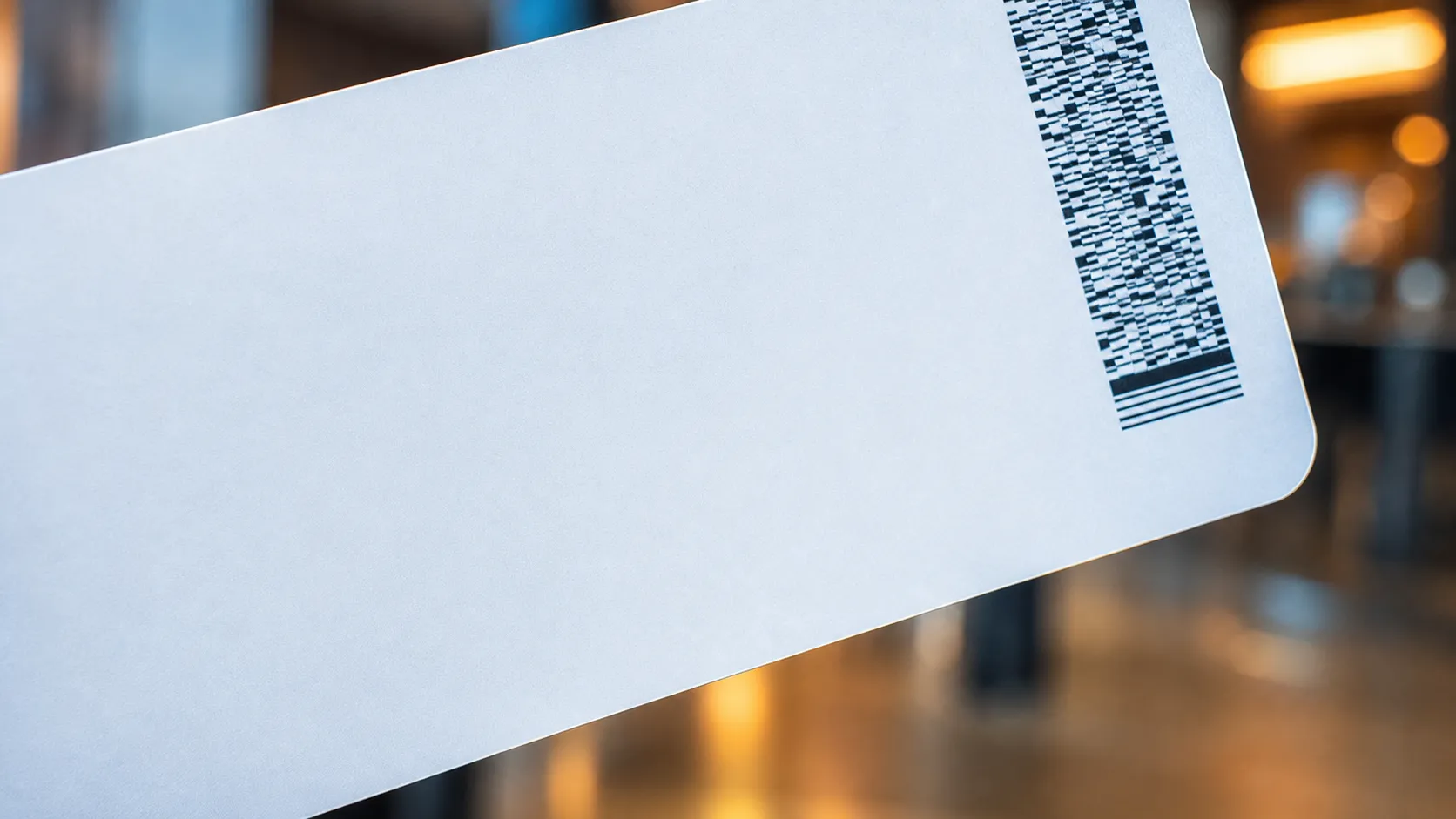
When you’re setting off on a backpacking trip or finally taking that long-awaited holiday, it’s easy to pay attention only to the destination and overlook the details printed on your boarding pass.
But every mark on that ticket, whether you’re carrying a paper copy or using a digital version, serves a purpose.
Your boarding pass doesn’t just get you onto the aircraft. It also links to key passenger information stored by the airline, including your identification details and sometimes travel preferences such as a special meal or frequent flyer membership.
Because there are several symbols and codes that can appear on a boarding pass, it helps to know what they actually mean.
One of the most common details is the flight code, which appears on every boarding pass and follows the same basic structure regardless of the airline.
It starts with two capital letters that identify the carrier.
‘AA’
For instance, that code is used by American Airlines. After that, you’ll usually see a flight number that completes the flight identification.
Airlines assign these flight numbers themselves, and the exact numbering can reflect operating patterns, route structure and internal scheduling conventions.
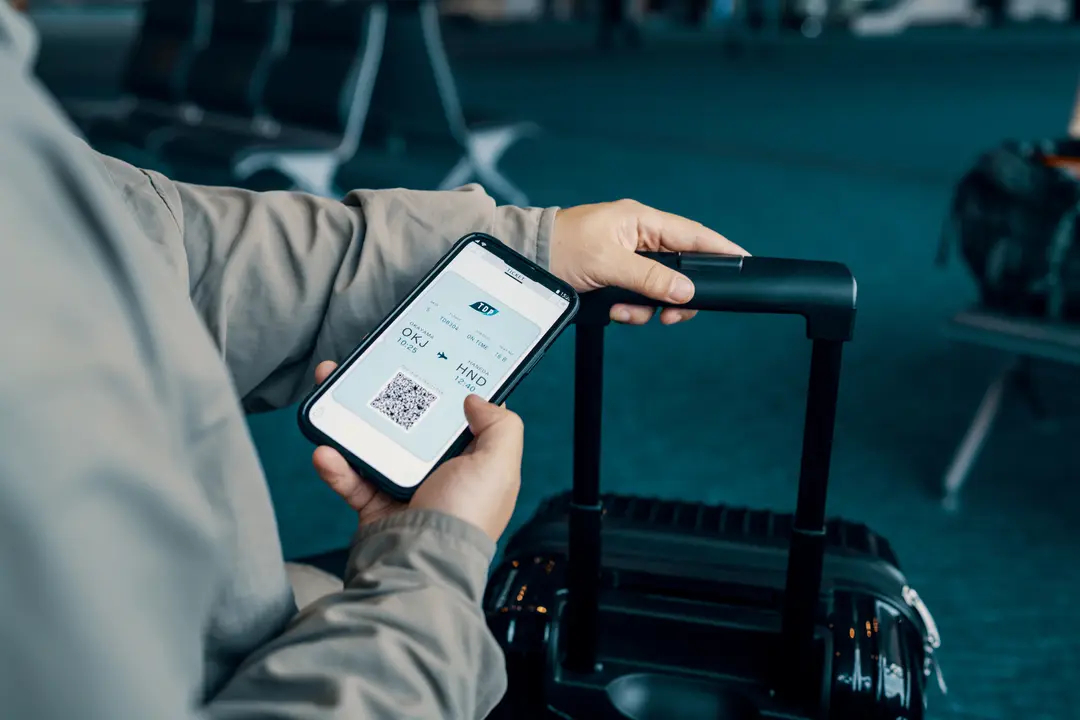
Another feature most travelers recognize immediately is the barcode or scannable section, which airline staff usually scan at the gate to keep boarding moving quickly.
On modern printed boarding passes this is often a 2D barcode, and digital passes can contain the same information in a mobile-friendly format. Depending on the airline, it may encode items such as the passenger’s name, flight details, seat assignment, baggage information and boarding status.
Your ticket will also include a booking reference, often called a record locator, PNR or Passenger Name Record. This is usually a six-character code that helps you retrieve your reservation at an airline website, kiosk or app.
If you spot
‘SSSS’
on the bottom of your boarding pass, it means you’ve been selected for extra security screening.
The exact process behind
‘Secondary Security Screening Selection’
is not fully disclosed, but it is generally used as a targeted security measure rather than a routine error or a sign that something is wrong with your ticket.

You may also see a TSA PreCheck indicator on eligible boarding passes. If it appears, it means the airline has recognized your eligibility for expedited screening on that trip.
Other marks on a boarding pass can be airline-specific rather than universal. For example, some codes may refer to fare buckets, upgrade eligibility, cabin class, interline connections or special handling notes. Those meanings can vary widely from one carrier to another, so a letter or symbol that matters on one airline may mean something entirely different on another.
That’s why it’s worth being cautious about any viral “decoder” claiming every boarding pass symbol has the same meaning everywhere. Some details are standardized, but many are not.
For instance, a single letter such as
‘B’
or
‘Q’
is often part of an airline’s fare class system, which tells the carrier what type of ticket was sold. These fare codes can affect things like refund rules, baggage allowances, mileage earning and upgrade eligibility, but they are not a universal measure of how likely you are to get upgraded.
In other words, your boarding pass is less like a secret message and more like a compact data sheet. Some of what it shows is standardized across the industry, while other parts are airline-specific and only make sense in the context of that carrier’s booking system.