

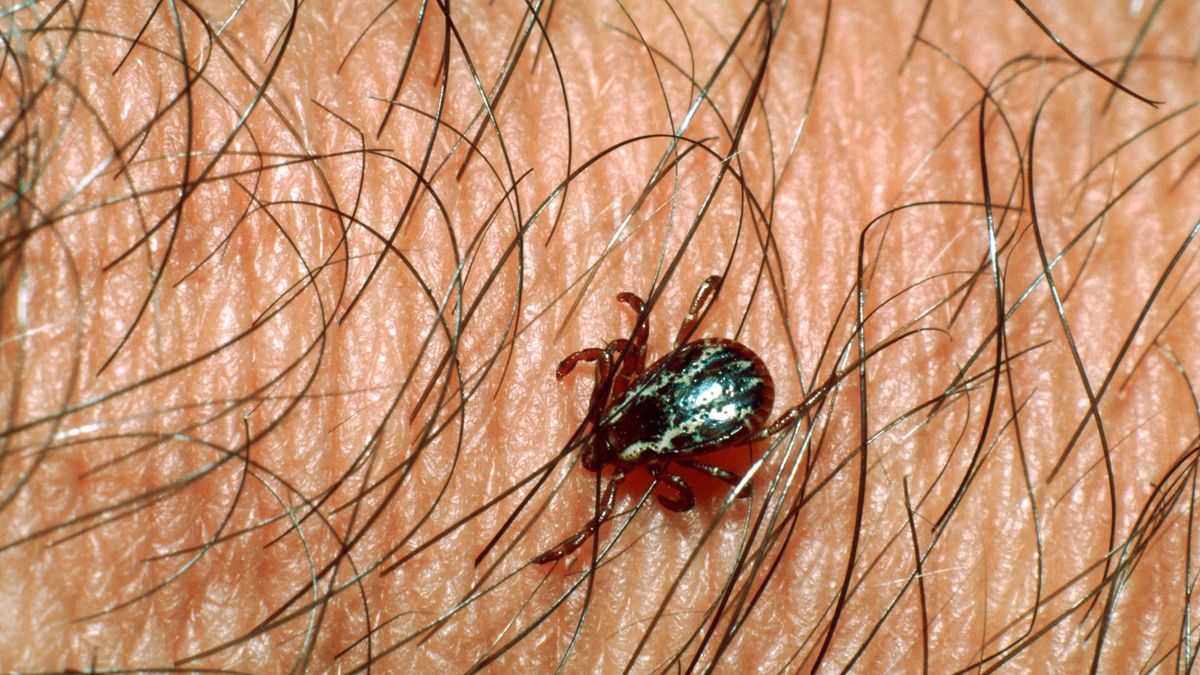
With temperatures climbing again, more people are spending time outside — and that also means a higher chance of encountering ticks.
Ticks are blood-feeding arachnids that attach to humans or animals, remain in place while feeding, and then drop off once they’ve swollen significantly.
Although a tick bite isn’t “venomous” in the way a snake or spider bite can be, tick saliva contains compounds that help the parasite evade the body’s natural defences. In some cases, this can contribute to a condition known as tick paralysis.
The bigger concern, however, is that ticks can spread multiple illnesses. Lyme disease is one of the best-known, and infection can occur after a bite if a disease-carrying tick has been attached long enough.
Not every bite leads to illness, but there is always some level of risk whenever a tick has attached to the skin.
Ticks can be found throughout the year, yet they tend to be more active in warmer months. As more people head outdoors during that time, bite reports also typically rise.
If you do get bitten, there’s one step that may feel surprising but can be genuinely useful.
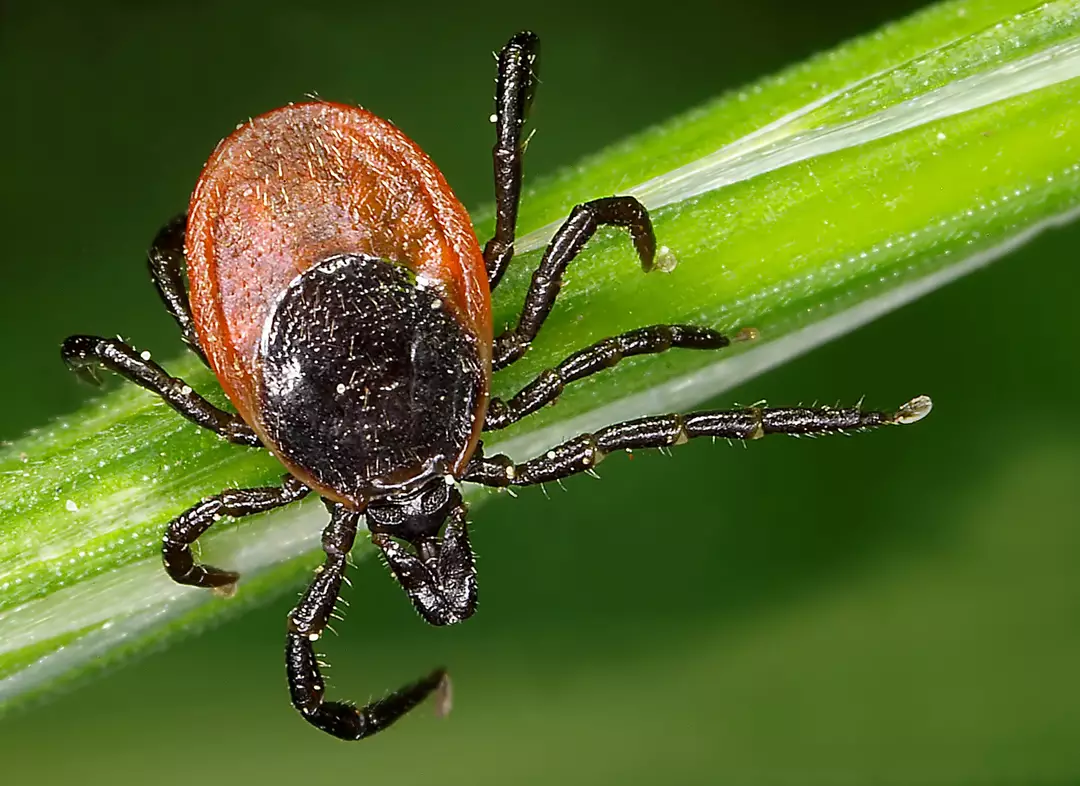
Try to keep the tick after removing it.
It’s understandable to want to get rid of it immediately, but saving the tick can help healthcare professionals. Different tick species are linked to different health threats, and identification can point doctors toward the most relevant risks.
For instance, blacklegged ticks are among the primary carriers of Lyme disease and are commonly found in parts of the eastern and southern United States.
In addition, several tick species — including the lone star tick — have been associated with triggering an allergy to red meat, which has, in rare cases, been deadly.
So what’s the best way to store one safely?
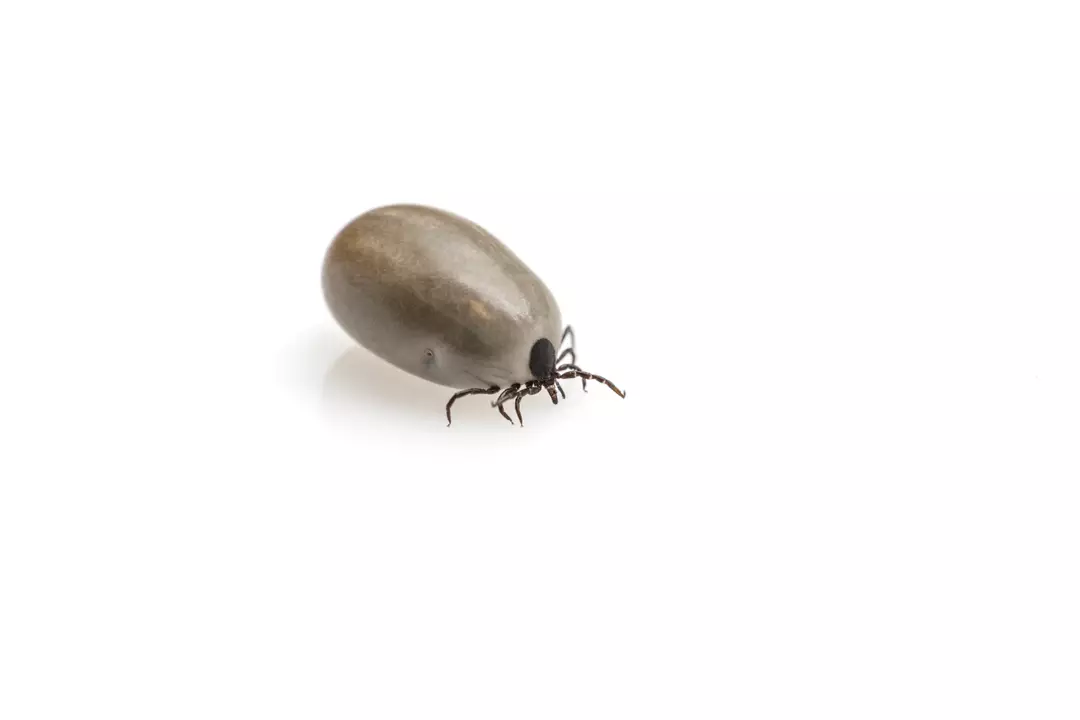
First, remove the tick as soon as possible using tweezers.
The CDC recommends placing the tweezers as close to the skin as you can, gripping the tick firmly, and pulling upward with steady, even pressure.
Once it’s out, place the tick into rubbing alcohol or a sealed container. After that, clean the bite area using rubbing alcohol or soap and water.
Take note of where the bite occurred. If you’re in a region known for higher Lyme disease risk, it may be wise to contact a doctor. Otherwise, monitor yourself for up to 30 days for possible symptoms.
Data from the CDC indicates emergency room visits related to tick bites have increased from roughly 30 per 100,000 visits to 71 per 100,000.
That rise could suggest ticks are particularly active during this part of the year.