

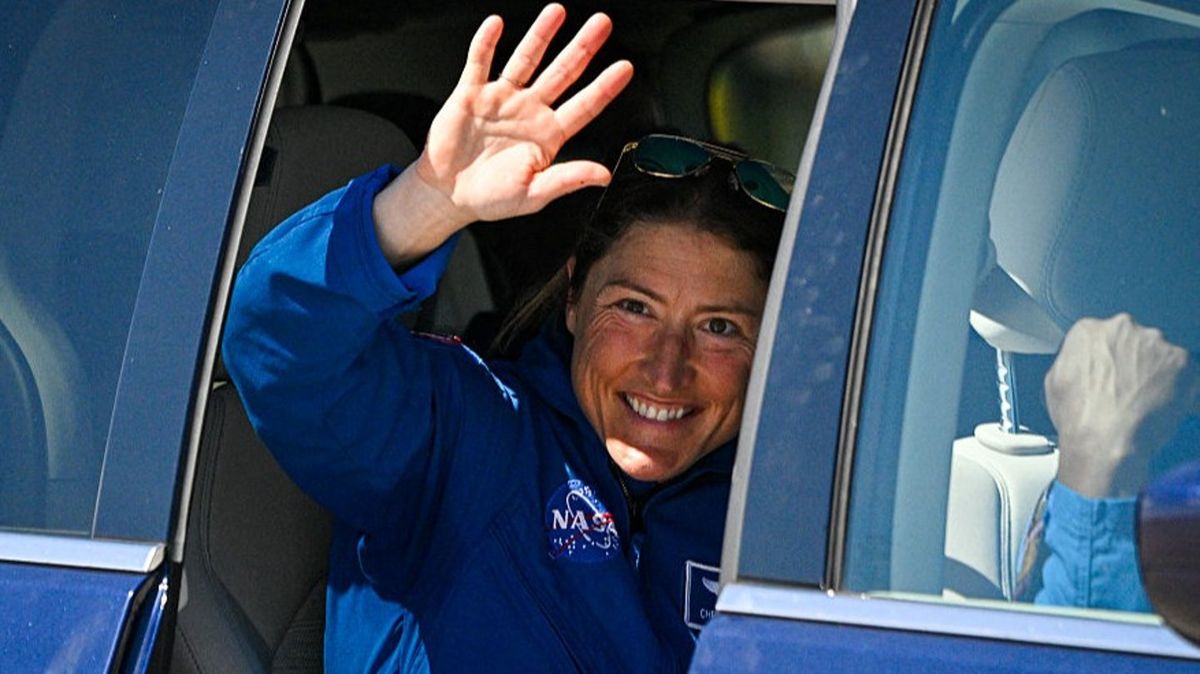
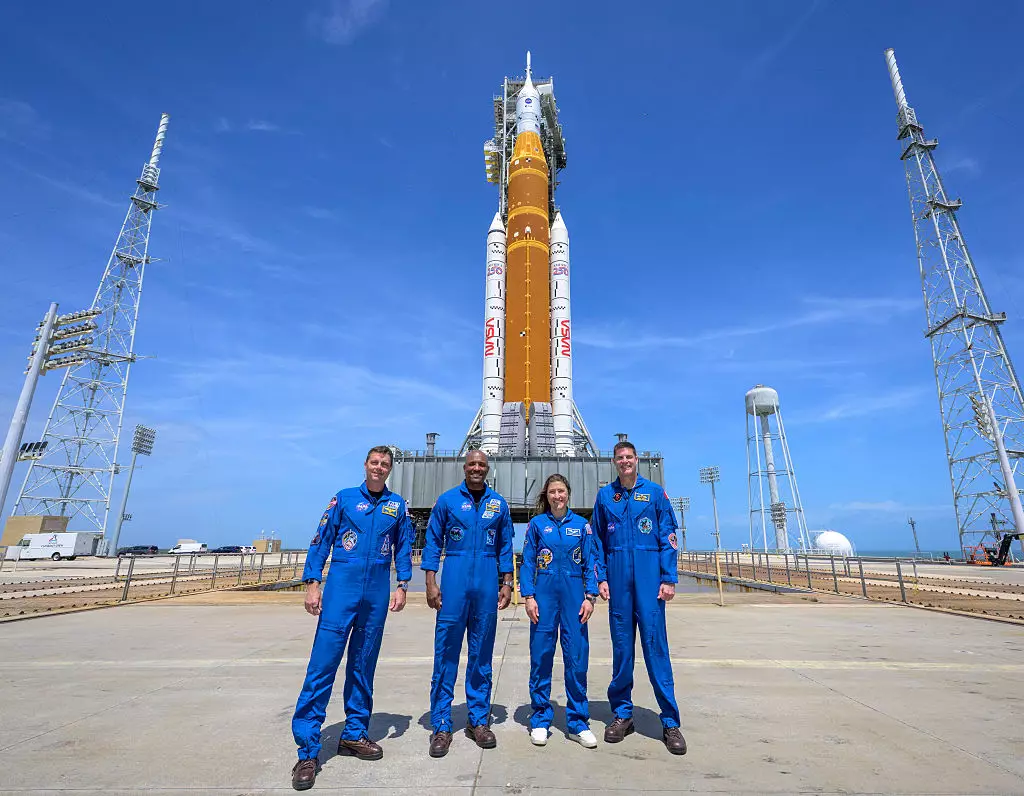
Artemis II astronauts Reid Wiseman, Victor Glover, Christina Koch and Jeremy Hansen are set to begin their journey toward the Moon this week, and across the 10-day flight their bodies are expected to undergo several noticeable shifts.
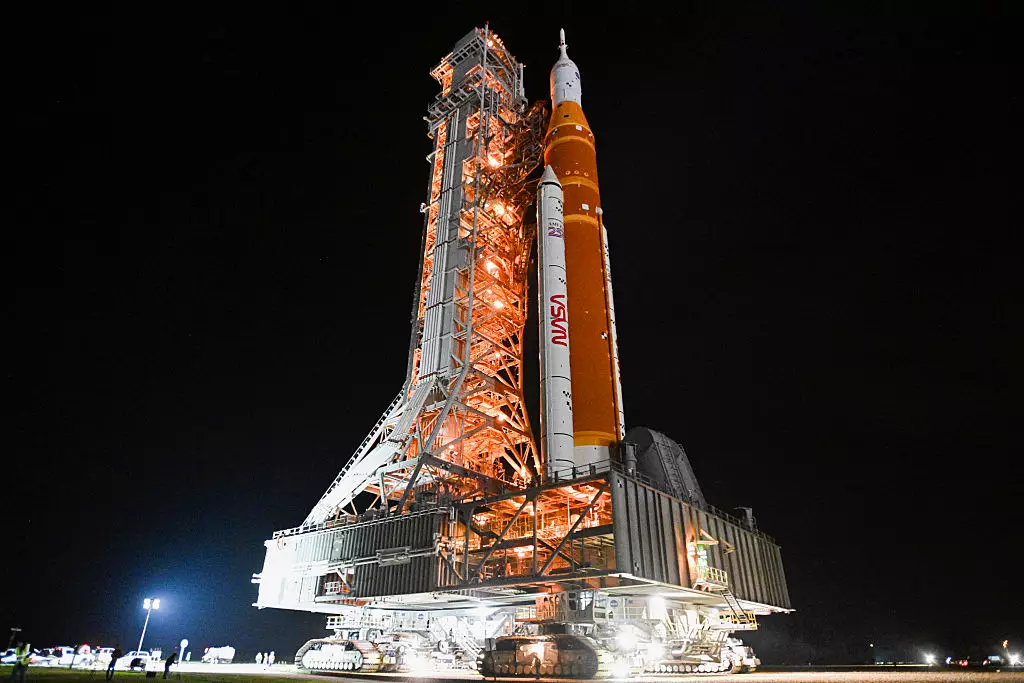
The quartet is scheduled to lift off from NASA’s Kennedy Space Center in Florida no earlier than April 1. The mission will mark the first time humans test the Orion spacecraft’s life support systems in space.
During the roughly 10-day trip, the crew will travel around the Moon and carry out demonstrations designed to prove key capabilities required for future deep-space expeditions.
While the astronauts focus on mission objectives, their bodies will also be adapting to a very different environment.
That’s according to Dr. John DeWitt, who spent two decades at NASA’s Johnson Space Center, serving as Senior Biomechanist and Exercise Device Project Scientist in Astronaut Health and Performance.
It may seem obvious that traveling hundreds of thousands of miles from Earth would affect the human body, but DeWitt emphasized that people are highly adaptable—even in unfamiliar conditions.
He explained: “On Earth, where we live in gravity 24 hours a day, our bodies are used to working against gravity when performing actions like pumping blood back from the legs to the heart and using our lower body and core muscles to maintain balance and posture. In space, the heart doesn’t have to work as hard because there is no gravity pulling blood towards our feet, and our posture muscles don’t have to work because astronauts just float. As a result, these systems start to weaken.”
A heart working less may sound appealing, but it comes with trade-offs. DeWitt noted the Artemis II timeline is short enough that these changes shouldn’t become severe, even though they still begin to appear.
He said: “In the 10 days in space, the weakness that has developed isn’t enough to be a major problem like during 6-month missions, but it is still occurring,” he said. “The Orion capsule is equipped with a small exercise device that the astronauts can use to counteract these losses.”
Because most of our physiology is built around constant gravity, weightlessness can influence everything from circulation to movement.
DeWitt pointed to three areas that tend to be affected most: balance and spatial orientation, cardiovascular performance, and declines in muscle strength—particularly in the legs and lower body.
He explained: “The balance and orientation symptoms, which sometimes result in motion sickness, usually subside in the first day or two as the body adjusts. The cardio and muscle systems often take anywhere from 7-14 days to demonstrate losses.”
Even before Orion leaves the ground, planning for the trip home is already underway. DeWitt said the groundwork for a smoother return starts with ensuring astronauts are in peak condition ahead of launch.
He explained: “At NASA, we have found that the more prepared the astronauts are in terms of fitness before their flight, the better equipped they are to return to Earth. So a lot of their preparation for the return actually occurs before their flight.”