

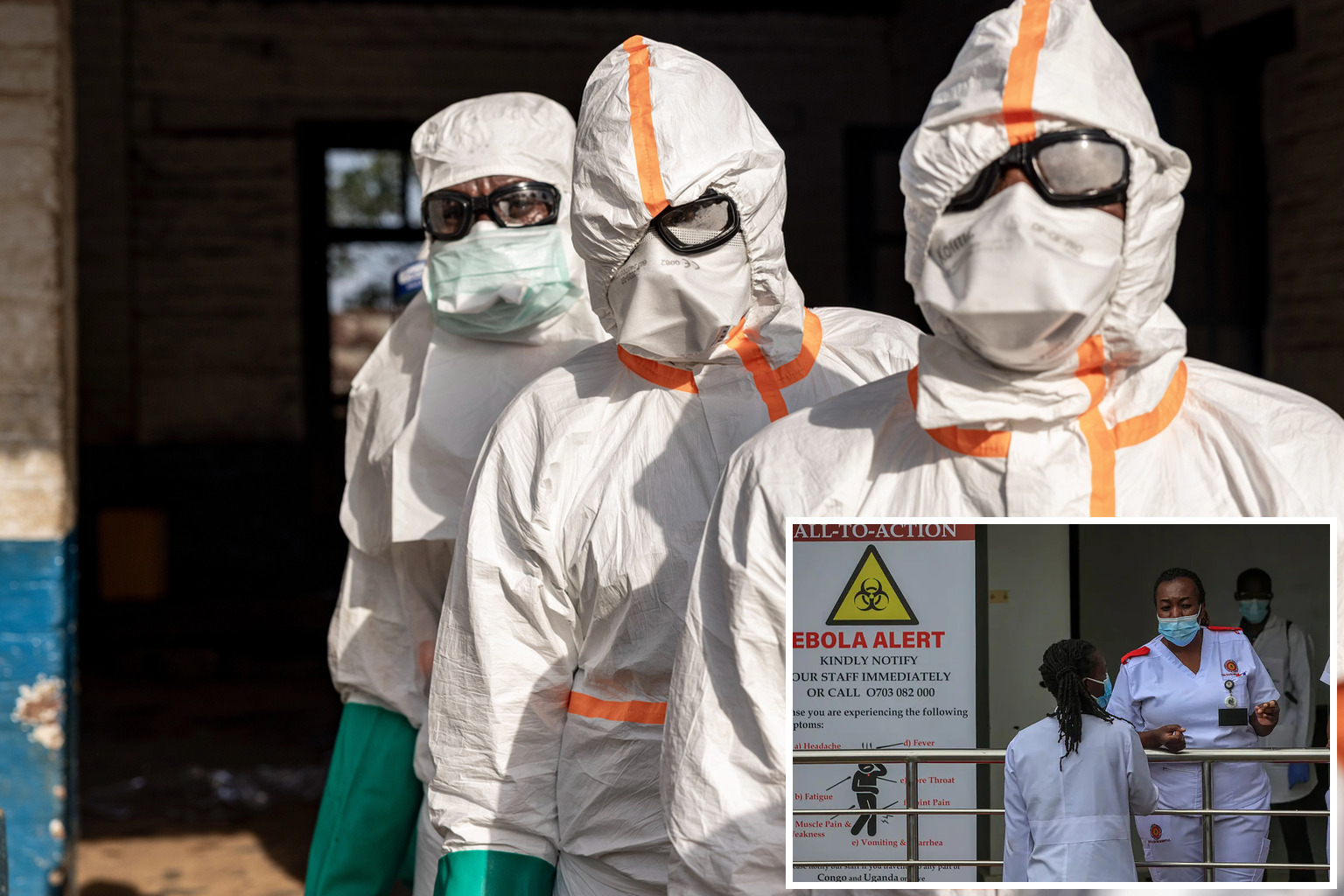
The World Health Organization’s top official for Africa has warned that the ongoing Ebola outbreak could spread internationally if containment efforts fail.
Dr. Mohamed Janabi, 47, the WHO Regional Director for Africa, said that global transmission is “possible” as the crisis deepens across central and East Africa. The outbreak, driven by the Bundibugyo virus, has now killed more than 5,500 people and infected over 11,000, producing a lethality rate approaching 50 percent.
Cases have been confirmed in Nigeria, Uganda, Kenya, and France, with the French case involving a doctor who had traveled to the Democratic Republic of the Congo to treat infected patients. No cases have been detected in the United States.
“Insecurity, population movement, and transmission in hard-to-reach areas is making it harder to break the chains of transmission,” Janabi said. He added that “as long as the outbreak continues to spread further, I have to say that spread [internationally] is possible.”
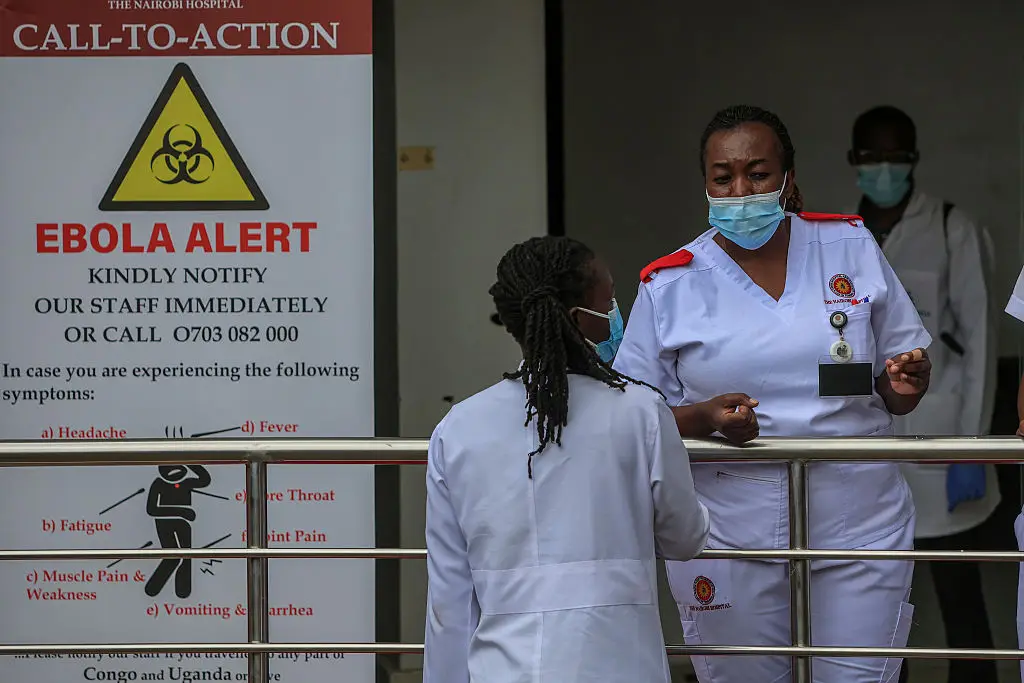
Despite the warning, Janabi maintained that “global risk was still low” even as he acknowledged similar international spread could follow if the outbreak intensifies. The current crisis is now expanding at twice the pace of the 2014-2016 West Africa outbreak, which lasted two years and was previously considered the deadliest in history.
No vaccine exists for this particular strain. Janabi issued a direct appeal to Western nations and pharmaceutical companies for urgent assistance. “What I am asking the UK, UK, and other big pharma is to give us priority,” he told the outlet.
The U.S. Centers for Disease Control and Prevention has responded by tightening entry restrictions. According to the CDC website, “some travelers coming from affected countries are temporarily not allowed to enter the United States.” The agency is working to block the virus from reaching American soil through enhanced screening and travel measures at ports of entry.
The Bundibugyo virus was initially classified as the second-largest Ebola outbreak on record, but its accelerated transmission rate has since eclipsed that benchmark. The DRC remains the epicenter, with cross-border movement and conflict zones complicating contact tracing and isolation protocols.

Janabi’s warning comes as health systems across the affected region strain under dual pressures of disease burden and security challenges that limit access to remote communities where transmission persists.
The CDC’s travel restrictions mark the most significant U.S. Government response to date, though officials have not indicated whether additional measures will follow if case counts continue climbing in neighboring countries.