

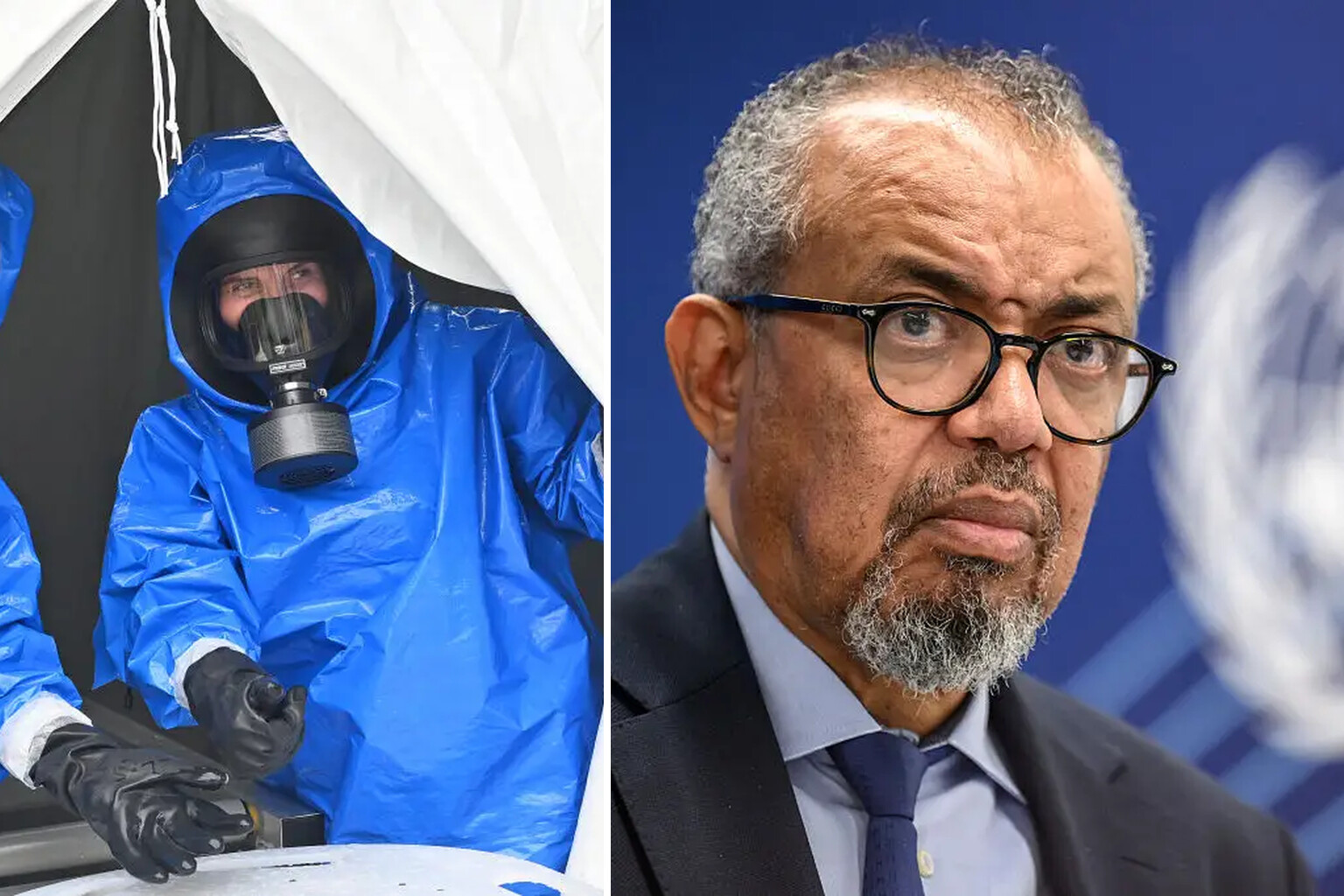
The World Health Organization is pressing Russia for answers after a second death was reported at a Siberian plague research facility.
WHO Director-General Tedros Adhanom Ghebreyesus said Wednesday the agency cannot complete a full risk assessment because it lacks complete information from Moscow. The statement follows the death of Daria Shipilova, 28, a lab worker at an anti-plague institute in Russia’s Irkutsk region, and unverified local reports that a second person has died at the same regional medical facility.
Tedros spoke at a briefing where he addressed what he called conflicting accounts surrounding the incidents. “We don’t yet have the full picture of this event and we’re not able to conduct a full risk assessment,” he said. “Timely, complete and transparent information sharing is essential to clarify conflicting reports and enable an accurate assessment of potential public risks.”
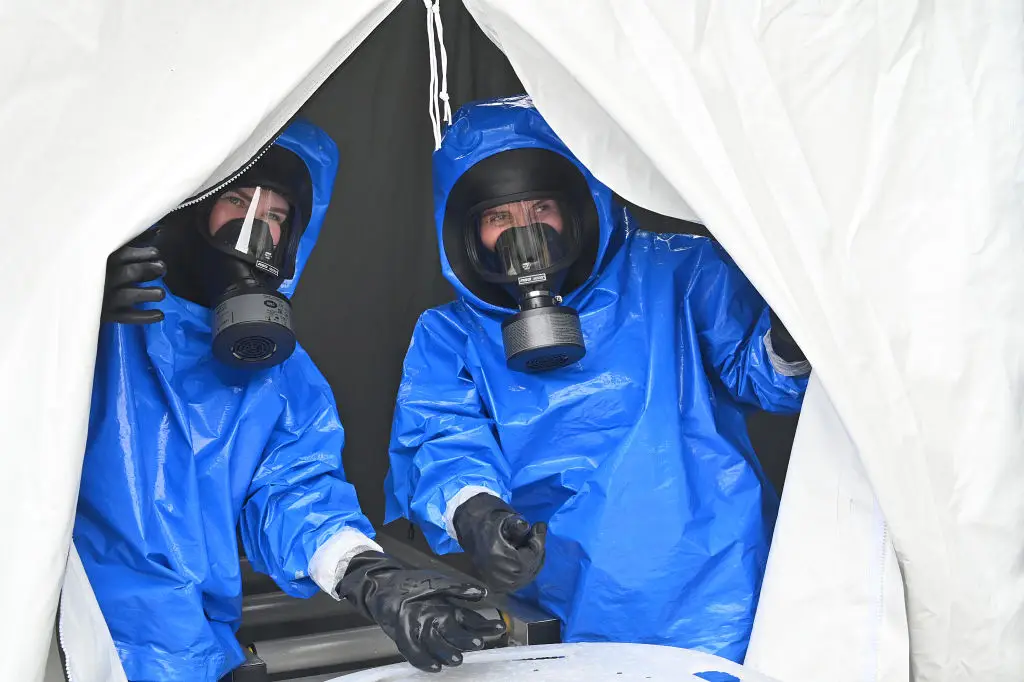
The WHO chief also raised the possibility of a second case. He said the agency asked Russia to respond to reports of “a second employee with pneumonia of undetermined cause,” He continued, “We assess any reporting from the community. We asked Russia to respond to that. We’re waiting for an answer.”
Maria Van Kerkhove, WHO director of epidemic and pandemic management, added that Russian officials had not explained how Shipilova died. She reportedly asked, “What did she actually die of?”
Russian authorities maintain Shipilova died of “pneumonia of unknown aetiology” and insist there is no outbreak risk, describing the regional situation as “stable.” This account conflicts with reports that she fell ill with flu-like symptoms after a test tube broke at the facility, with pneumonic plague later suspected.
Shipilova’s mother, Svetlana, rejected the official narrative in an interview with Russian media. She pointed instead to a research expedition her daughter had joined to study plague-infected squirrels near Russia’s border with Mongolia. “I know the truth. I’m fending off stupid friends who believe this,” she said. “A test tube is unbreakable, even if you throw it against the wall.”

A former classmate of Shipilova also cast doubt on the official version in remarks to media. “They’ve smeared a woman without properly investigating,” the classmate said. “Knowing how hard-working and responsible she was, it just doesn’t add up for me.”
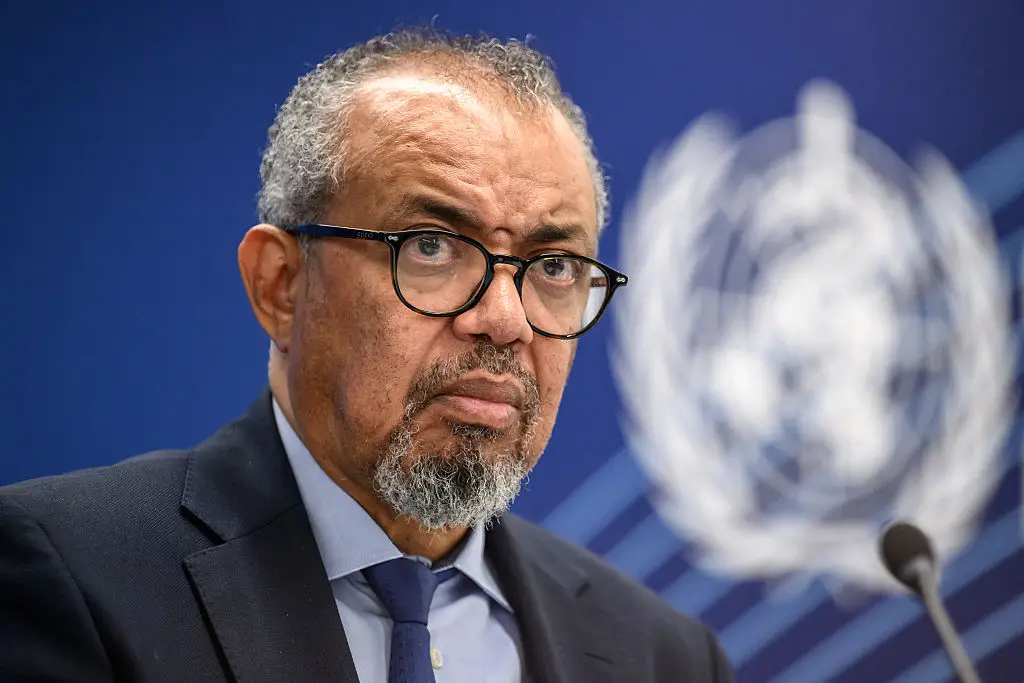
The Baikal Medical Journal reported that officials in white hazmat suits and gas masks disinfected apartment blocks in Irkutsk, where Shipilova is believed to have lived. A resident described the operation in comments to the publication. “The smell was unbearable and very pungent,” the woman said. “A woman knocked on our door. I said: ‘What are you treating here?’ I already knew about the plague rumours. She said: ‘It’s for cockroaches.’ But we don’t even have any cockroaches in our building. I saw her packing her overalls into a bag. I was like, ‘Well, I get it.'”
The situation has drawn international attention beyond health circles. U.S. President Donald Trump offered American assistance to Russia and said he would speak with President Vladimir Putin about the matter very soon.
The Irkutsk facility is part of Russia’s network of anti-plague research stations, institutions that date to the Soviet era and handle some of the world’s most dangerous pathogens. Pneumonic plague, the lung-based form of the disease, can spread person-to-person and is fatal without prompt antibiotic treatment. The reports of a possible second death, carried by local outlet Lyuni Baikal, remain unverified by international monitors.
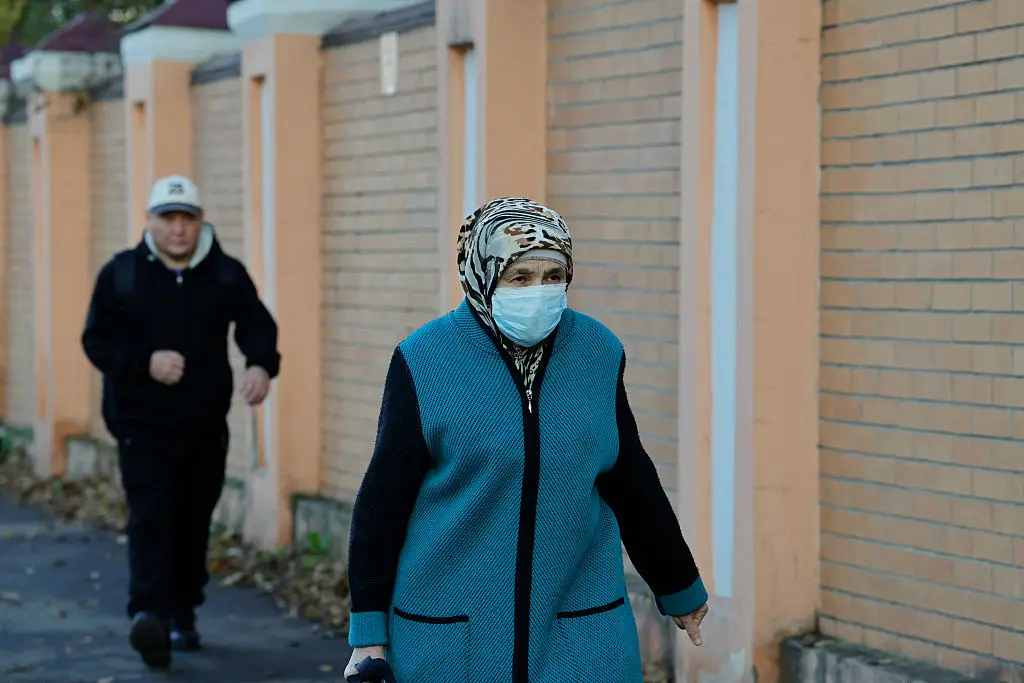
Russia’s information restrictions have complicated outside verification. The Kremlin has warned against spreading what it termed “false information” about the incidents, even as the WHO’s public statements signal growing frustration with Moscow’s disclosures.
The WHO’s inquiries are continuing as the agency awaits Russia’s formal response to questions about both deaths.