

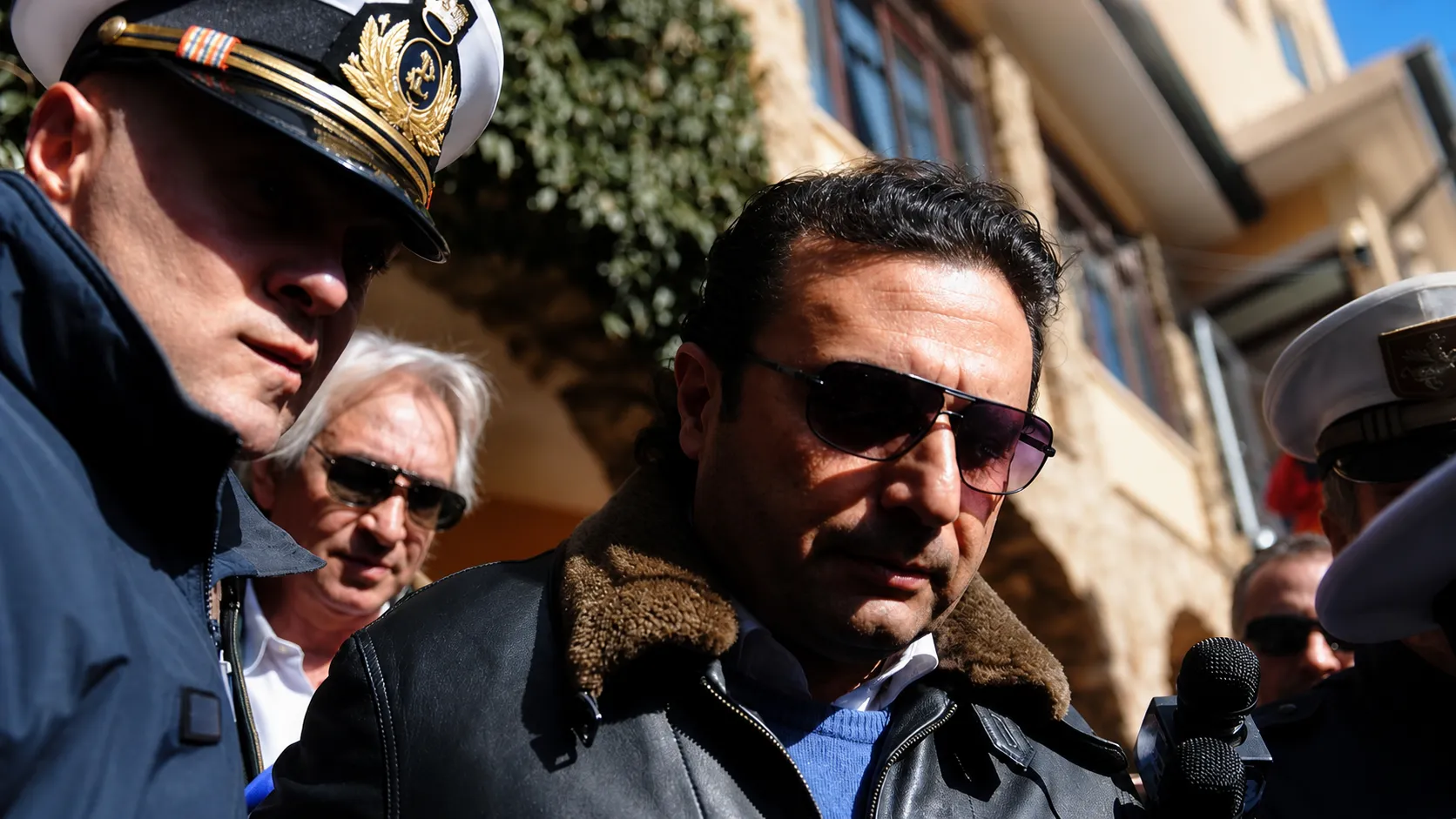
Francesco Schettino, the former captain of the Costa Concordia, was sentenced to 16 years in prison after leaving the vessel as it sank on January 13, 2012.
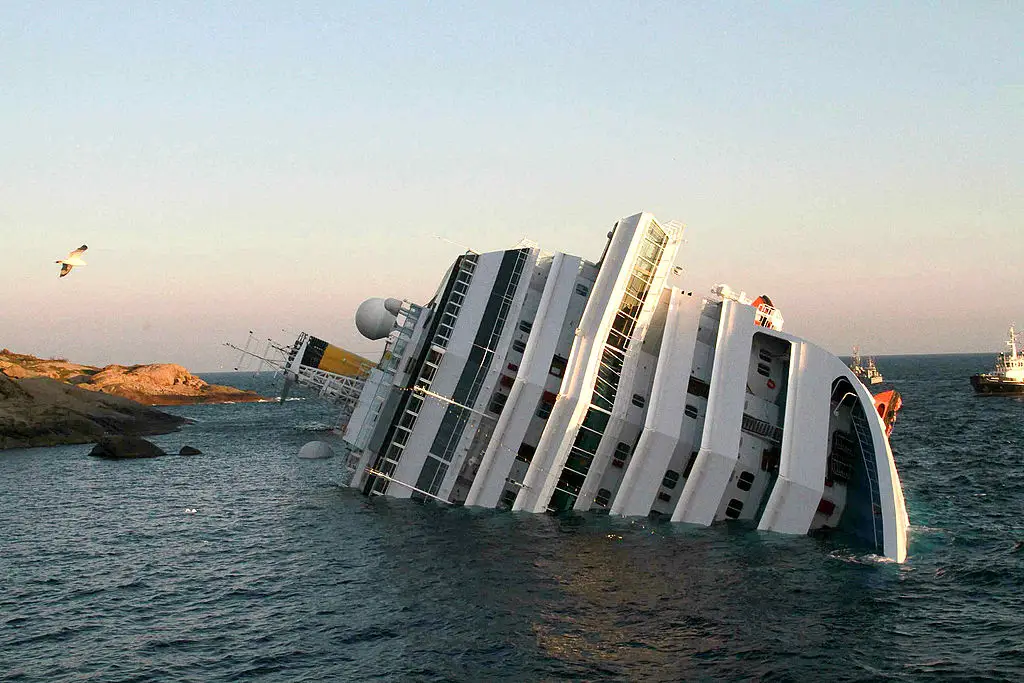
The disaster claimed 32 lives after the cruise ship struck rocks near Giglio Island, off the coast of Italy, and later capsized. The events are revisited in the Netflix documentary Shipwrecked: Nightmare at Sea, which premiered on July 10, 2026.
Before the collision, Schettino had directed the ship to pass unusually close to Giglio Island. After the impact, he left the vessel in a lifeboat while large numbers of passengers were still on board.
He was eventually found guilty of several crimes, including manslaughter, causing the shipwreck, and abandoning his post before the evacuation had finished. Italy’s Supreme Court later upheld the sentence, and he has since been serving it in the Italian prison system.
That case also raised a broader question: why is it against the law for a captain to abandon ship?
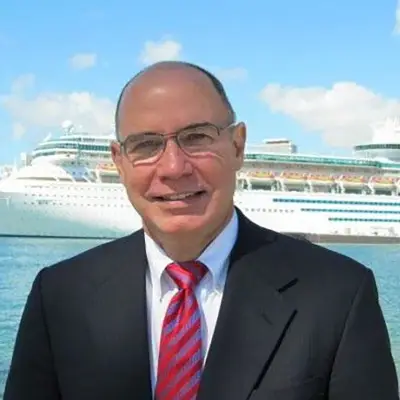
“The legal expectations for a ship’s captain (i.e., “master”) when a vessel begins to sink are both basic and extensive,”
James Walker of Walker & O’Neill P.A. Maritime Lawyers said those responsibilities come from multiple sources.
“They arise from international conventions, company procedures, and the captain’s general duty of care under centuries of maritime law,” he continues.
Despite the long-running idea that a captain must literally go down with the ship, that is not the actual legal standard. The real obligation is centered on protecting lives and managing the emergency properly.
“Instead, the law requires the captain to do everything reasonably possible to protect human life,” Walker states.
Walker outlined the main duties a captain is expected to carry out in such a crisis.
“This is the captain’s highest legal obligation,” Walker says.
Under the International Convention for the Safety of Life at Sea, known as SOLAS, the ship’s master is responsible for putting emergency procedures into action and doing everything possible to maximize survival.
That means evaluating the danger, informing passengers and crew about the situation, and directing a safe evacuation.
In practice, that duty is reinforced by international maritime rules requiring masters to render assistance at sea when doing so can be done without serious danger to their own vessel or those on board.
According to the documentary, people aboard the Costa Concordia were not initially told the full truth. An announcement reportedly said the ship was suffering from ‘electrical problems’.
Passengers were also instructed to return to their cabins, which cost valuable time during the evacuation.
Walker said courts examining incidents like this look at several important points.
“Whether distress calls were timely, whether evacuation was delayed unnecessarily, whether emergency procedures were followed, whether navigation decisions contributed to the casualty, and whether negligence played a role in the casualty.”
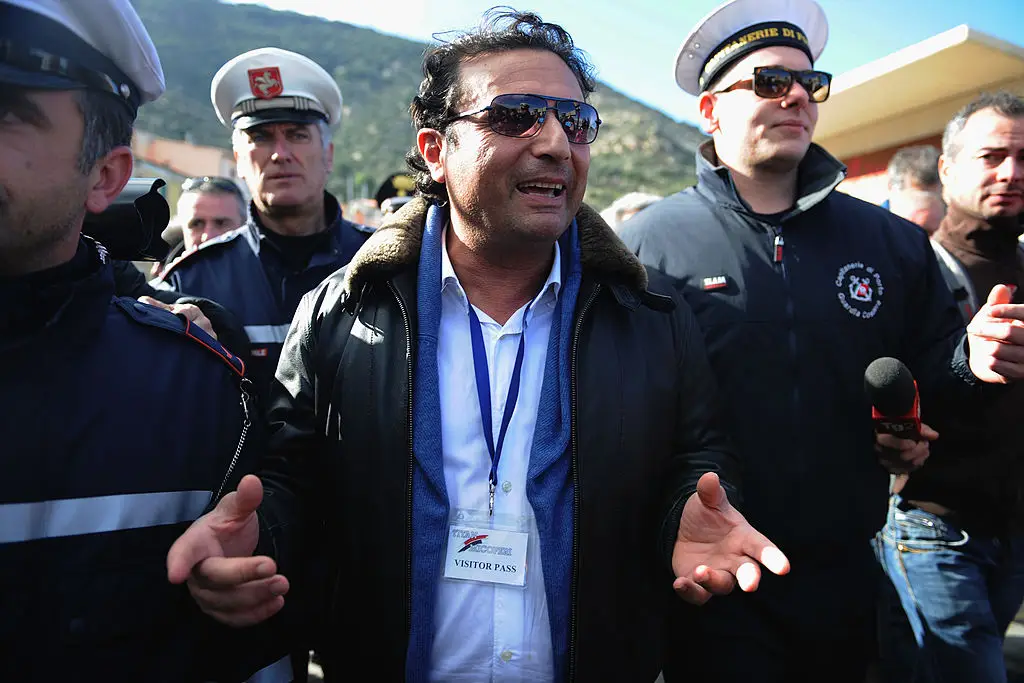
In Schettino’s case, prosecutors argued he failed that duty outright. He left the ship at around 11:30 p.m. Local time on January 13, 2012, even though captains are expected to remain in command of rescue operations and supervise evacuation efforts. Walker also said they must stay in contact with the bridge team and shore authorities.
Only after those responsibilities have been carried out is a captain expected to leave the vessel.
The expert notes that this “is not an absolute legal rule in most jurisdictions,” but investigators and courts still expect a captain to “ensure passengers have evacuated, verify that crew responsibilities are complete, and leave the vessel only when remaining aboard no longer serves a useful safety purpose or presents an unreasonable risk.”
Schettino’s decision to board a lifeboat while passengers and crew were still trapped on board was seen as highly significant and, as Walker put it, could amount to “powerful evidence of negligence or misconduct”.
Walker added that ship captains also have a long-established obligation under maritime law and international agreements to help people in distress, provided doing so does not place their own vessel in danger.
“has a longstanding legal duty under both customary maritime law and treaties such as the International Convention on Maritime Search and Rescue”
One crew member featured in accounts of the disaster, dancer Rose Metcalf, described helping passengers evacuate as the ship tilted sharply. She and other crew members then attempted to escape themselves.
Rose later became trapped, but managed to attract attention using a flashlight. She signaled to a rescue helicopter, which then helped save her and other crew members.
Public anger after the tragedy led to Schettino being labeled ‘Captain Coward’, as thousands of people were still in danger when he left the ship.
“A captain may face criminal charges if the sinking ship results from gross negligence or if the captain’s conduct during the emergency is unlawful.”
Walker said that can include “abandoning the ship before passengers without justification, reckless navigation, and ignoring known hazards.”
Schettino ultimately received a sentence of more than 16 years in prison and was held responsible for the deaths of 27 passengers and five crew members.
He is not expected to be fully released until 2033.
Shipwrecked: Nightmare At Sea is available to stream on Netflix now